
Properties and applications of aluminum profiles
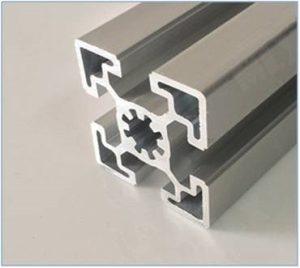
Introduction
Aluminum profiles are versatile and widely used materials in various industries, owing to their exceptional combination of properties, including lightweight construction, high strength, corrosion resistance, and excellent thermal and electrical conductivity. This article delves into the properties and diverse applications of aluminum profiles, highlighting their significance in modern engineering and manufacturing.
Properties of Aluminum Profiles
- Lightweight and High Strength: Aluminum is known for its lightweight properties. It has a density approximately one-third that of steel, making it ideal for applications where weight reduction is critical without sacrificing strength. Despite its low density, aluminum is surprisingly strong and, when properly alloyed, can achieve excellent tensile and compressive strength.
- Corrosion Resistance: One of aluminum’s most remarkable features is its natural resistance to corrosion. When exposed to the atmosphere, aluminum forms a protective oxide layer on its surface, which prevents further corrosion. This inherent resistance makes aluminum profiles suitable for applications in various environments, including those with high humidity or exposure to harsh chemicals.
- Thermal and Electrical Conductivity: Aluminum is an excellent conductor of both heat and electricity. This property makes aluminum profiles ideal for applications requiring efficient heat dissipation or electrical conductivity. It is commonly used in heat sinks for electronic devices and as a material for electrical conductors.
- Machinability: Aluminum is relatively easy to machine, allowing for intricate and precise designs. It can be cut, drilled, bent, and formed with relative ease, making it a preferred material for manufacturing processes.
- Anodizing and Surface Treatments: Aluminum profiles are often anodized to enhance their appearance and durability. Anodizing creates a hard, corrosion-resistant surface layer while offering various color options. This property adds an extra layer of customization to aluminum profiles.
Applications of Aluminum Profiles
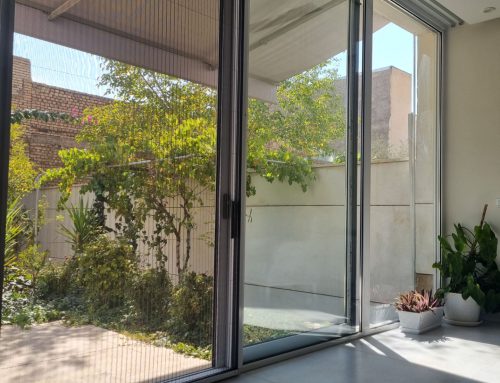
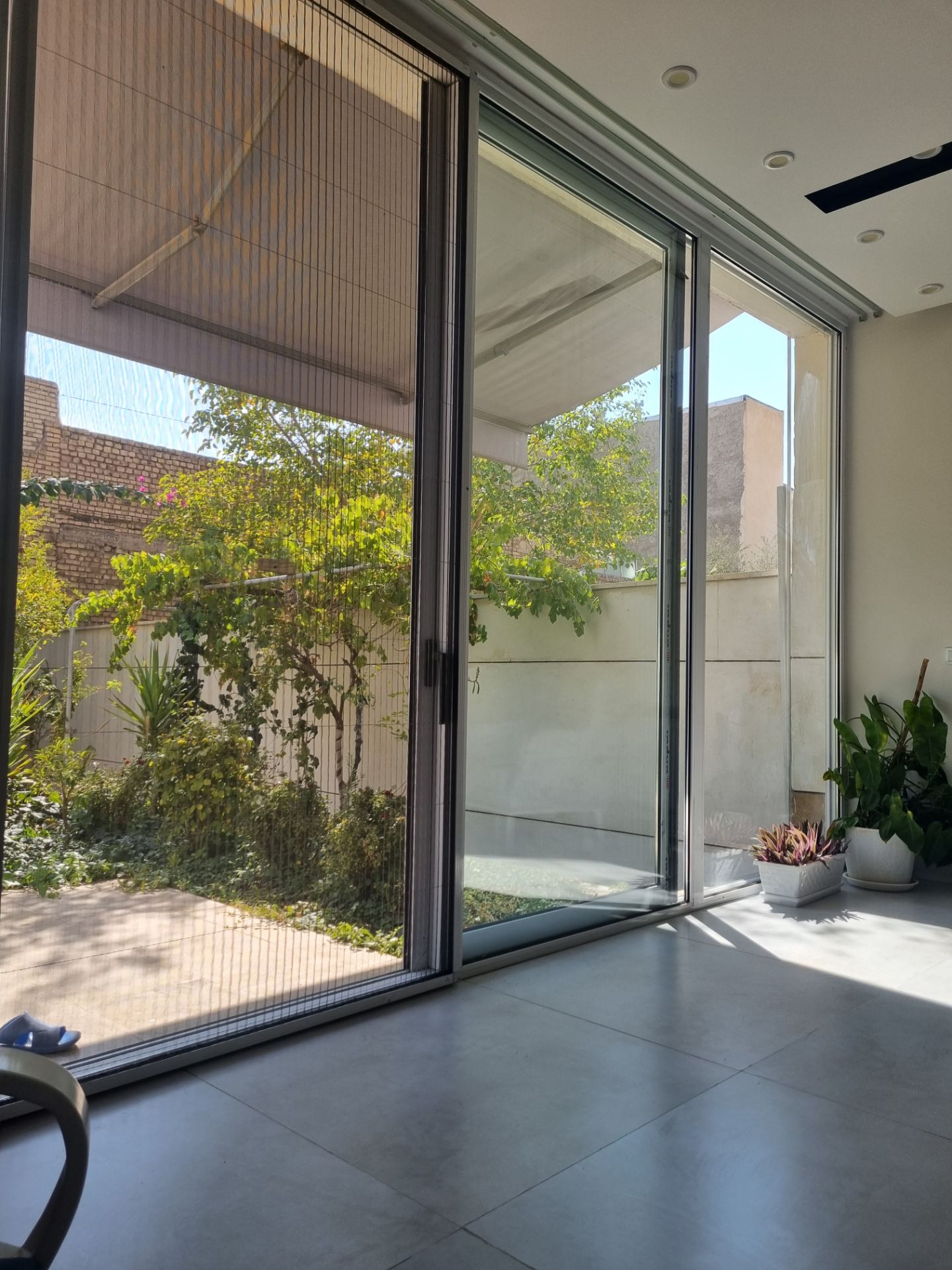
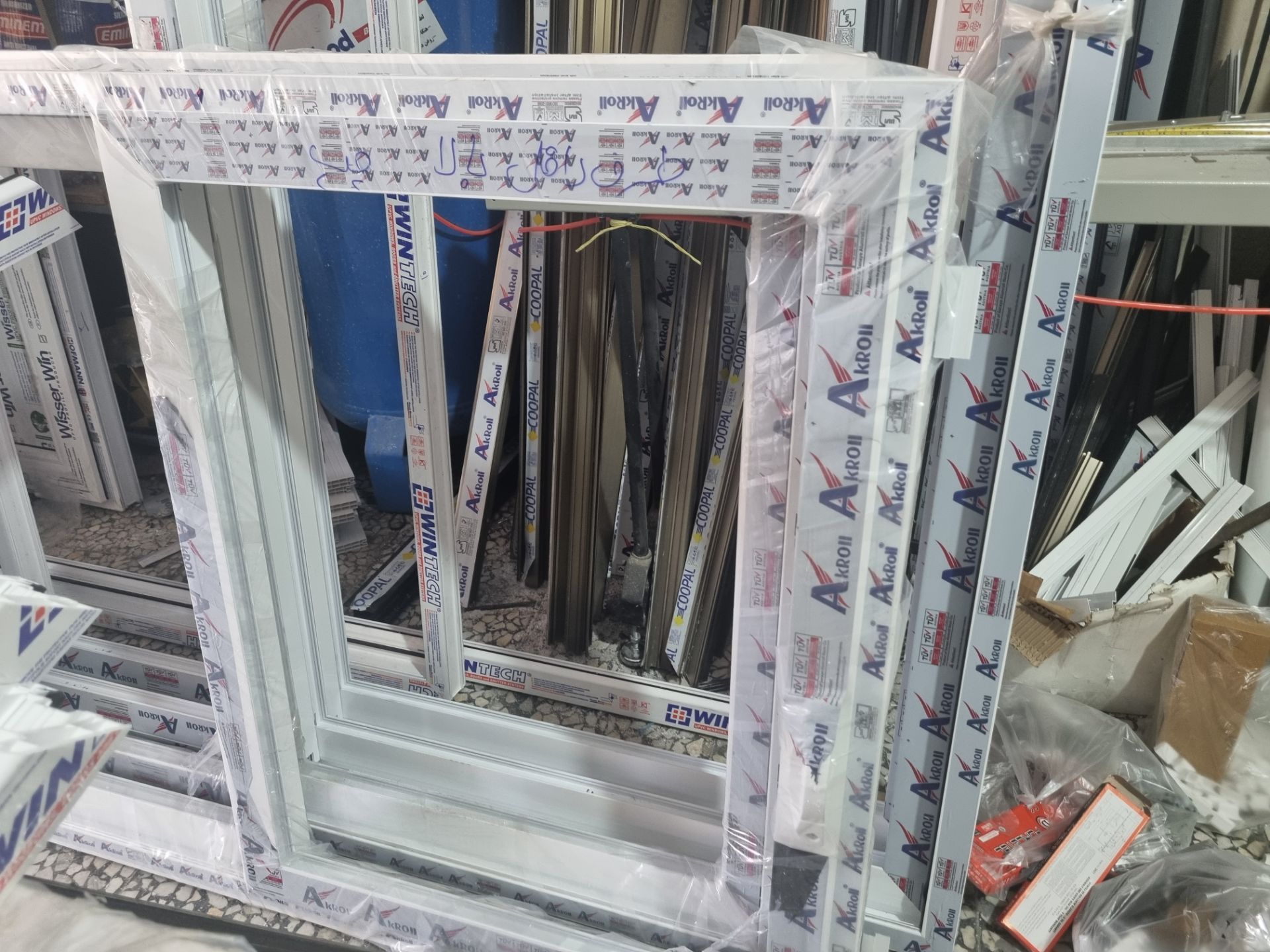
- Construction and Architecture: Aluminum profiles are widely used in the construction industry for structural components, facades, windows, and doors. Their lightweight nature, corrosion resistance, and flexibility in design make them an excellent choice for modern architectural projects.
- Automotive Industry: Aluminum profiles are extensively used in the automotive sector for engine components, chassis structures, and body panels. Their lightweight construction aids in improving fuel efficiency and reducing emissions.
- Aerospace: The aerospace industry relies on aluminum profiles for the construction of aircraft frames, landing gear, and other structural components. Aluminum’s high strength-to-weight ratio is crucial in designing fuel-efficient and lightweight aircraft.
- Transportation: Aluminum profiles play a pivotal role in various modes of transportation, including trains, buses, and ships. Their lightweight properties enhance fuel efficiency and reduce transportation costs.
- Electronics and Electrical Industry: Aluminum profiles are commonly used as heat sinks in electronic devices to dissipate excess heat generated during operation. Additionally, they serve as housings and frames for electrical components.
- Renewable Energy: The renewable energy sector extensively utilizes aluminum profiles for solar panel frames, wind turbine structures, and support systems. Aluminum’s lightweight nature makes it an ideal choice for these applications.
- Furniture and Interior Design: Aluminum profiles find their place in the furniture and interior design industry, providing versatility in creating modern, stylish designs. They are used for making furniture frames, cabinets, and decorative elements.
- Industrial Machinery: Aluminum profiles are utilized in industrial machinery for creating frames, enclosures, and assembly lines. Their adaptability and corrosion resistance make them well-suited for various manufacturing processes.
- Medical Equipment: Medical equipment and devices often incorporate aluminum profiles for their lightweight and hygienic properties. Applications range from hospital bed frames to portable medical carts.
- Sporting Goods: The sporting goods industry benefits from aluminum profiles in the construction of bicycles, golf clubs, and tennis rackets. The material’s strength and lightweight characteristics are particularly advantageous in this sector.
- Packaging and Containers: Aluminum profiles are employed in the creation of packaging and containers for food, beverages, and cosmetics. Aluminum’s impermeability to light, oxygen, and moisture makes it an excellent choice for preserving product quality.
- Marine and Offshore: Aluminum profiles are vital in the marine and offshore industries for constructing vessels, offshore platforms, and subsea equipment. The corrosion-resistant properties of aluminum are essential for withstanding harsh marine environments.
- Greenhouse and Agriculture: Aluminum profiles are used in greenhouse construction, offering a durable and lightweight framework for supporting plant growth. They are also employed in agricultural equipment, such as irrigation systems and crop processing machinery.
- Custom Fabrications: Aluminum’s versatility allows for custom fabrications tailored to specific requirements. This includes unique designs for architectural elements, specialized equipment, and artistic installations.
- Energy Efficiency and Sustainability: Aluminum profiles contribute to energy efficiency and sustainability in various industries. Their lightweight construction and recyclability help reduce energy consumption in transportation and manufacturing, while their use in solar panel and wind turbine systems promotes clean energy generation.
- Recycling and Environmental Impact: Aluminum’s recyclability is a key aspect of its sustainability. It can be recycled repeatedly without losing its inherent properties. The recycling process consumes significantly less energy compared to primary aluminum production, reducing carbon emissions and resource consumption. The use of recycled aluminum profiles further underscores their positive environmental impact.
- Cost Efficiency: Aluminum profiles, despite being lightweight, offer cost efficiency in many applications. Their long-term durability, low maintenance requirements, and corrosion resistance help reduce operational costs over the lifespan of products or structures.
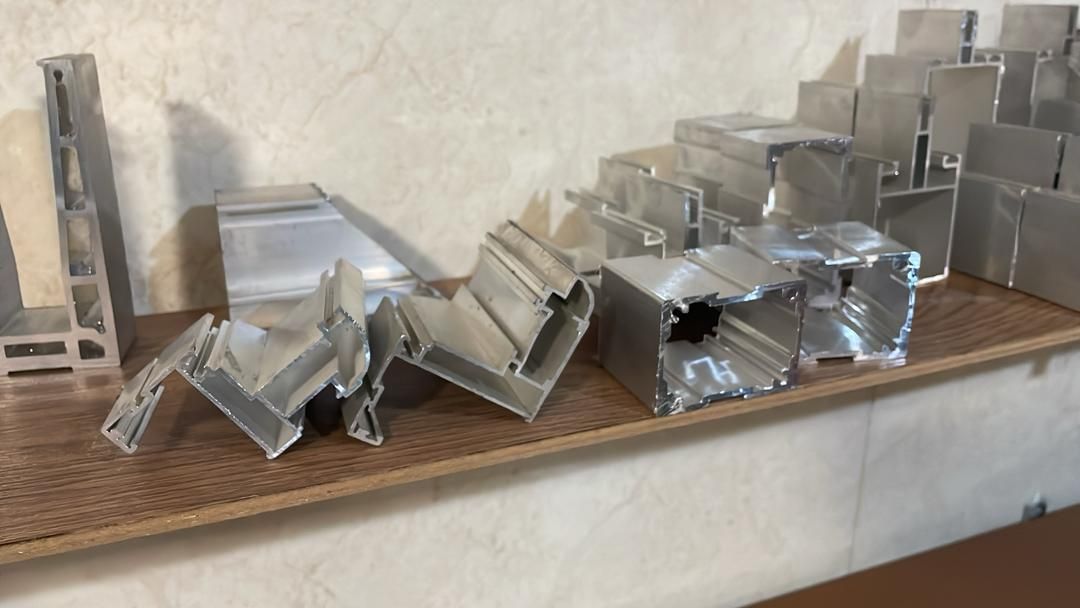
- Design Freedom: Aluminum’s malleability allows for creative and innovative designs. It can be easily extruded into complex shapes and profiles, giving architects, engineers, and designers the freedom to create products and structures with distinctive aesthetics and functionality.
- Research and Development: Ongoing research in materials science and engineering is pushing the boundaries of aluminum profiles. New alloys, surface treatments, and manufacturing techniques are continually being developed, leading to improved properties and broader applications in various industries.
- Global Influence: The widespread use of aluminum profiles is not limited to a particular region. Its global acceptance and usage transcend geographical boundaries, making it an essential component in the international manufacturing and construction sectors.
In conclusion, aluminum profiles are a testament to the remarkable versatility and adaptability of this material. Their exceptional properties, ranging from lightweight construction to high strength and corrosion resistance, have made them indispensable in countless industries. As our world evolves, aluminum profiles will continue to play a vital role in shaping the future of engineering, manufacturing, and design.
With ongoing advancements in materials science, engineering techniques, and sustainability efforts, we can anticipate even more diverse and groundbreaking applications for aluminum profiles. Their contributions to energy efficiency, sustainability, and innovation are poised to make a lasting impact across the globe. The growth of the aluminum profile industry is not only a testament to human ingenuity but also a beacon of hope for a more sustainable and technologically advanced world.
The next generation of aluminum profiles may bring about lighter, stronger, and more sustainable materials that drive the development of future technologies. Whether it’s in aerospace, construction, renewable energy, or any other field, aluminum profiles will remain a fundamental building block for modern solutions.
In a world that seeks to reduce its environmental footprint and improve efficiency, aluminum profiles are likely to continue to be at the forefront of materials that help us meet these goals. Their importance lies not only in their impressive properties but in their potential to shape a more sustainable and innovative world for generations to come.



Leave A Comment