
Extruded Aluminum Tube
Introduction
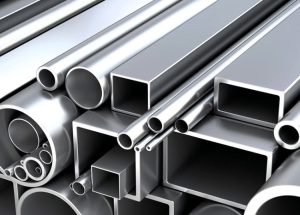
Extruded Aluminum Tube ,Extruded aluminum tubes are versatile, lightweight, and durable components that have found their way into numerous industries and applications. From architectural structures to automotive parts and even consumer products, extruded aluminum tubes have proven their worth due to their exceptional properties and adaptability. In this article, we’ll delve into the world of extruded aluminum tubes, exploring their characteristics, manufacturing process, and diverse range of applications.
The Manufacturing Process
Extruded aluminum tubes are created using a specialized manufacturing process known as extrusion. This process involves forcing aluminum billets or logs through a die, which shapes the material into the desired cross-sectional profile. Here are the key steps in the manufacturing process:
- Billet Preparation: The process begins with the selection of aluminum billets, which are heated to a specific temperature to make them more malleable.
- Extrusion: The heated billet is loaded into an extrusion press. A powerful hydraulic ram forces the aluminum through a precisely designed die, resulting in a continuous length of aluminum with the desired cross-sectional shape.
- Cooling: The newly formed aluminum profile is rapidly cooled to maintain its structural integrity.
- Cutting: The extruded aluminum is cut to the desired length, creating individual tubes.
- Further Processing: Depending on the intended application, the extruded tubes may undergo additional processes such as surface finishing, machining, or assembly.
Characteristics of Extruded Aluminum Tubes
- Lightweight: Aluminum is inherently lightweight, making extruded aluminum tubes an ideal choice for applications where weight reduction is critical, such as in the aerospace and automotive industries.
- Strength: Despite their low weight, extruded aluminum tubes offer remarkable strength. This strength-to-weight ratio makes them an excellent choice for structural components in various industries.
- Corrosion Resistance: Aluminum naturally forms a protective oxide layer when exposed to air, which makes it highly resistant to corrosion. This property is particularly advantageous in outdoor applications and in industries where exposure to harsh environments is common.
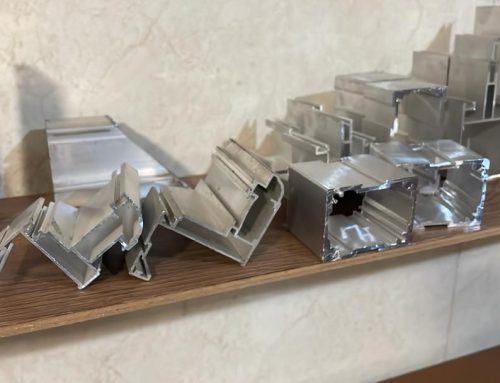
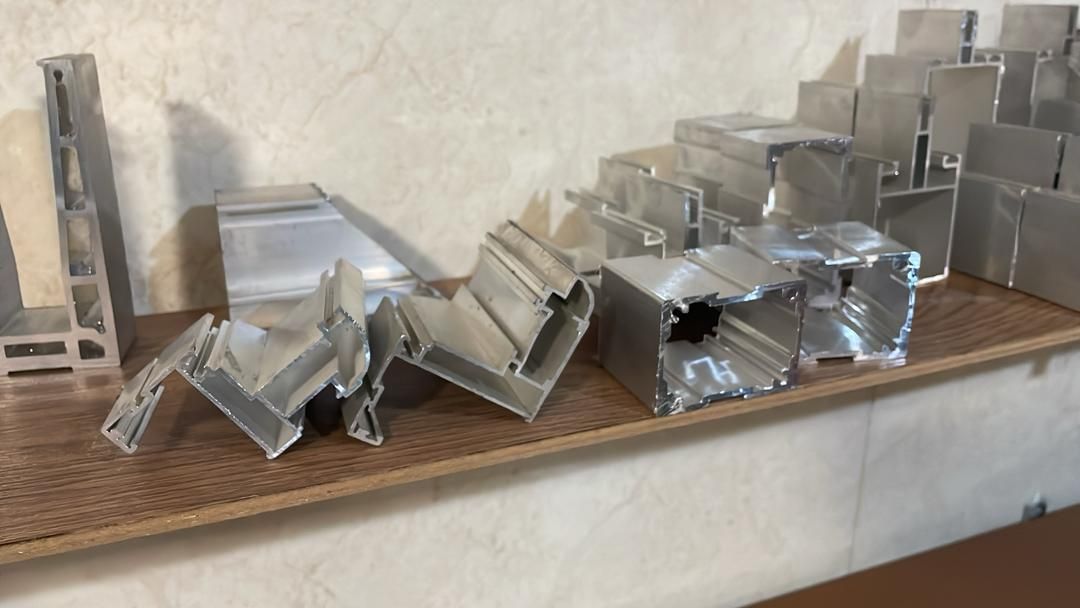
- Formability: The extrusion process allows for a wide range of cross-sectional shapes and sizes, making extruded aluminum tubes highly adaptable to specific design requirements.
- Thermal Conductivity: Aluminum is an excellent conductor of heat, making it suitable for applications requiring efficient heat transfer, such as in the manufacturing of heat exchangers.
Applications of Extruded Aluminum Tubes
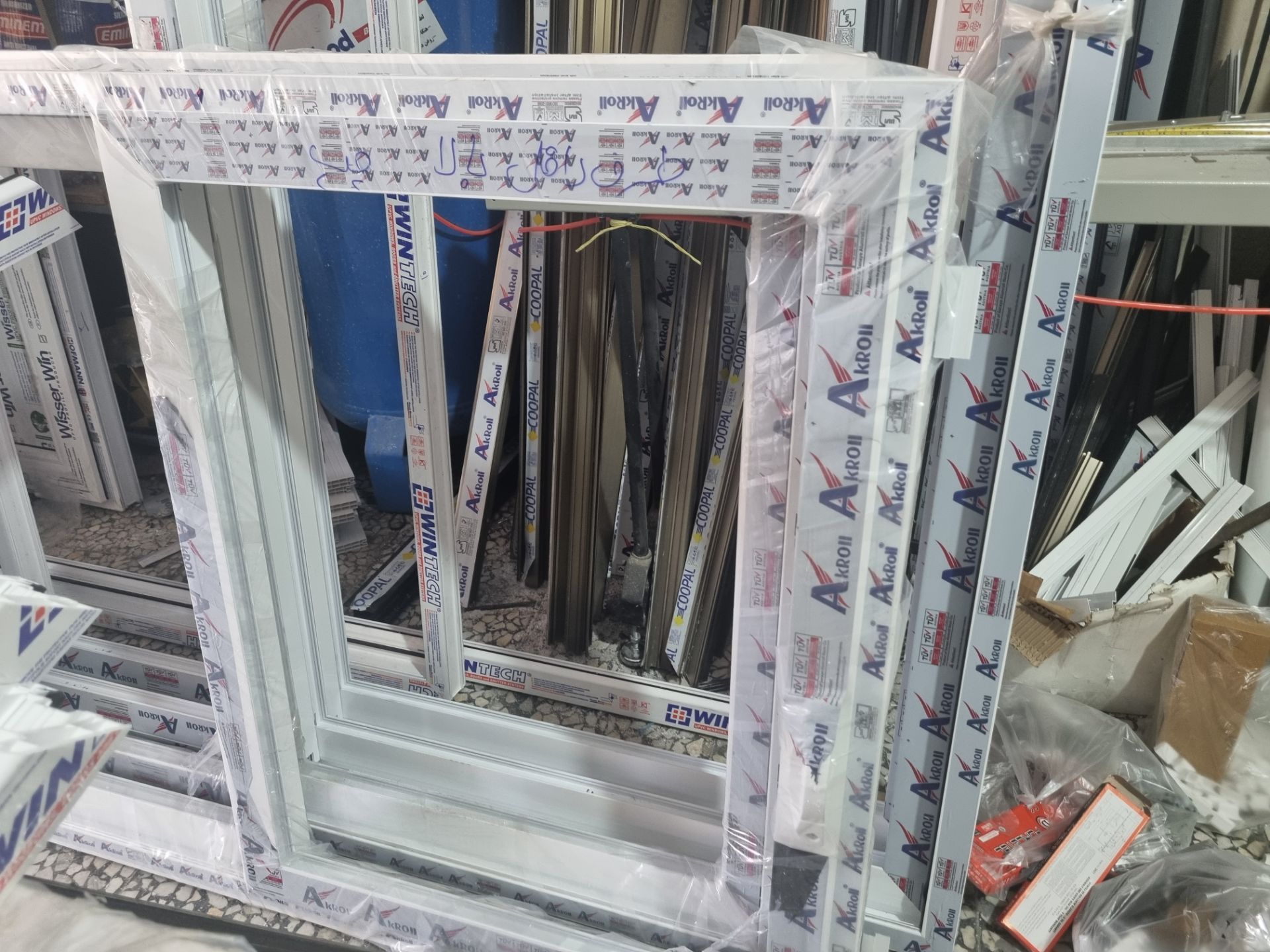
- Construction and Architecture: Extruded aluminum tubes are widely used in the construction industry for structural support, window frames, curtain walls, and handrails. Their corrosion resistance and aesthetic appeal make them a popular choice for architectural applications.
- Automotive Industry: In automobiles, extruded aluminum tubes are utilized in components such as radiator tubes, engine parts, and chassis components, contributing to improved fuel efficiency and reduced weight.
- Aerospace: The aerospace industry relies on extruded aluminum tubes for aircraft structural components, landing gear, and interior fittings due to their lightweight and high strength properties.
- Electrical Industry: Extruded aluminum tubes are commonly used as electrical conduits and heat sinks, helping to dissipate heat efficiently in electronic devices and wiring systems.
- Consumer Goods: From bicycle frames to camping equipment, extruded aluminum tubes are utilized in a wide range of consumer products due to their durability, corrosion resistance, and lightweight nature.
- Transportation and Marine: Extruded aluminum tubes are widely used in transportation applications, including ships and trains. Their lightweight and corrosion-resistant properties make them an excellent choice for various components, such as marine handrails, cargo containers, and railway carriages.
- Renewable Energy: The renewable energy sector benefits from extruded aluminum tubes for the construction of solar panel frames, wind turbine components, and electrical wiring systems. The lightweight nature of aluminum helps reduce the overall weight of renewable energy infrastructure, making it easier to install and maintain.
- Medical and Healthcare: In the medical field, extruded aluminum tubes find applications in the manufacturing of equipment like hospital beds, wheelchairs, and medical device stands. Their durability, ease of sterilization, and customizable shapes are key advantages in healthcare settings.
- Sports and Recreation: Extruded aluminum tubes are used in the production of sports equipment such as bicycle frames, kayaks, and camping gear. These tubes provide the necessary strength while keeping the weight of the equipment manageable for users.
- DIY and Home Improvement: Extruded aluminum tubes are readily available in hardware stores and are commonly used by DIY enthusiasts and homeowners for various projects. They are employed in building structures, outdoor furniture, and garden applications due to their versatility and ease of handling.
- Sustainable Practices: One of the key advantages of extruded aluminum tubes is their eco-friendliness. Aluminum is highly recyclable, and the recycling process consumes significantly less energy compared to primary aluminum production. This makes extruded aluminum tubes an environmentally responsible choice for industries striving to reduce their carbon footprint and adopt sustainable practices. As the world places a growing emphasis on sustainability, the use of aluminum, and by extension, extruded aluminum tubes, is likely to increase.
- Future Innovations: With ongoing advancements in material science and manufacturing technologies, we can expect to see continued innovations in extruded aluminum tube production. These innovations may involve the development of new alloys with enhanced properties, improved surface finishes, and more efficient manufacturing processes. As industries seek to make products lighter, more efficient, and longer-lasting, extruded aluminum tubes are likely to play a pivotal role in these endeavors.
- Global Significance: Extruded aluminum tubes are a global commodity, with manufacturers and consumers spread across the world. The international supply chain for aluminum materials ensures that these tubes are readily available for various applications, promoting global trade and collaboration in various industries.
- Quality Assurance: To maintain the integrity and safety of products using extruded aluminum tubes, manufacturers adhere to strict quality control measures. These measures include material testing, dimensional inspections, and compliance with industry standards and regulations, ensuring that the final products meet the required specifications and safety standards.
In summary, extruded aluminum tubes have not only withstood the test of time but have also evolved to meet the ever-changing demands of modern industries. Their lightweight, strong, and corrosion-resistant properties make them an integral part of countless applications, from construction and automotive to aerospace and healthcare. As society continues to emphasize sustainability, extruded aluminum tubes stand as a testament to both innovation and environmental responsibility. Their future is bright, as they are poised to play an even greater role in shaping the industries of tomorrow, Extruded Aluminum Tube.





Leave A Comment