
Window wall design outside
Introduction:
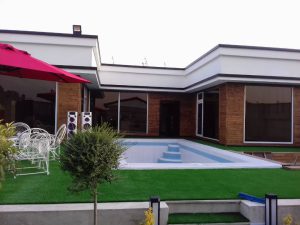
In the realm of architecture and design, the concept of bringing the outdoors in has gained significant momentum. One stunning and innovative approach to achieving this seamless integration of indoor and outdoor spaces is through window wall design. Combining the elegance of large, expansive windows with the practicality of sturdy walls, window walls serve as a gateway to a world where nature and architecture coexist harmoniously. In this article, we explore the captivating charm and numerous advantages of window wall design in outdoor spaces.
-
Capturing the Beauty of Nature:
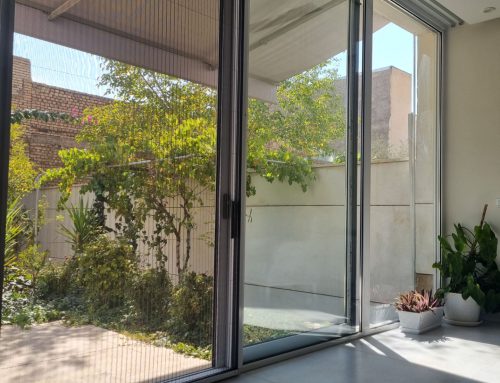
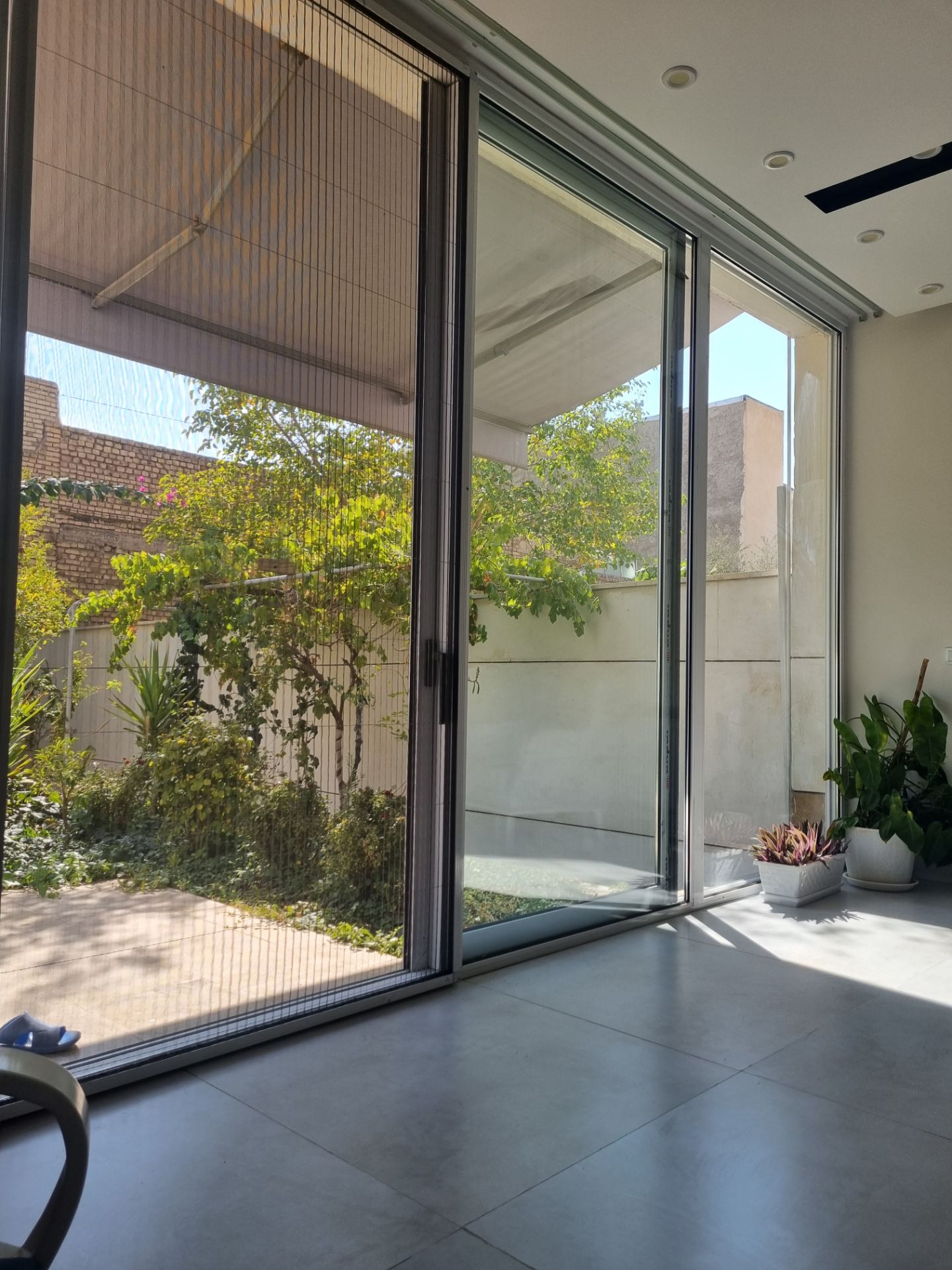
Window walls are more than just conventional windows; they offer a panoramic view of the surrounding landscape, seamlessly blending the boundaries between the interior and exterior. These expansive glass walls allow natural light to flood the indoor space, creating a bright and inviting atmosphere while providing unobstructed views of the surrounding greenery, water features, or picturesque vistas. Whether it’s a lush garden, a serene lake, or a stunning mountain range, a window wall becomes a living painting, transforming the view into an integral part of the architectural experience.
-
Enhanced Living Experience:
The integration of window walls in outdoor spaces dramatically enhances the overall living experience. The abundant natural light they bring can uplift moods, improve productivity, and contribute to a sense of well-being. The connection with nature also fosters a feeling of tranquility and relaxation, creating a sanctuary-like environment. The window wall design blurs the lines between the interior and exterior, allowing residents to enjoy the benefits of the outdoors while remaining sheltered from the elements.
-
Sustainable Design:
Window walls can also be a sustainable design choice. By harnessing natural light, they minimize the need for artificial lighting during the day, reducing energy consumption and lowering utility costs. Additionally, these walls can be designed with energy-efficient glass, such as low-emissivity (Low-E) coatings, which help regulate interior temperature by reducing heat transfer. Properly insulated window walls contribute to improved thermal performance, reducing reliance on heating and cooling systems and creating an eco-friendly living space.
-
Seamless Integration and Flexibility:
Window walls offer exceptional versatility in design, seamlessly integrating with various architectural styles. From modern and minimalist aesthetics to traditional and rustic designs, they can be customized to suit individual preferences. The flexibility of window walls allows for easy connection between indoor and outdoor spaces, enabling smooth transitions when entertaining guests or simply enjoying a breath of fresh air. They also provide an opportunity for creative interior design by maximizing space utilization and creating a unique focal point in the room.
-
Architectural Statement:
Beyond their functional benefits, window walls make a powerful architectural statement. Their striking visual impact adds character and charm to a building, making it stand out in the surrounding environment. Window walls serve as a testament to the seamless fusion of human-made structures with the natural world, emphasizing the importance of sustainability, connectivity, and harmonious living.
-
Privacy and Protection:
While window walls offer breathtaking views and a seamless connection to the outdoors, privacy and protection are also essential considerations. Architects and designers have addressed these concerns by incorporating various features into window wall design. Options such as tinted glass, adjustable blinds, or curtains provide privacy when needed, allowing residents to control the amount of light and visibility. Additionally, advanced technologies enable the integration of automated shading systems, enhancing convenience and privacy while preserving the aesthetic appeal of the window wall design.
-
Weather Resistance and Durability:
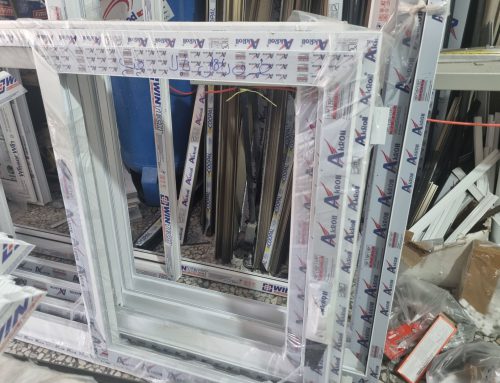
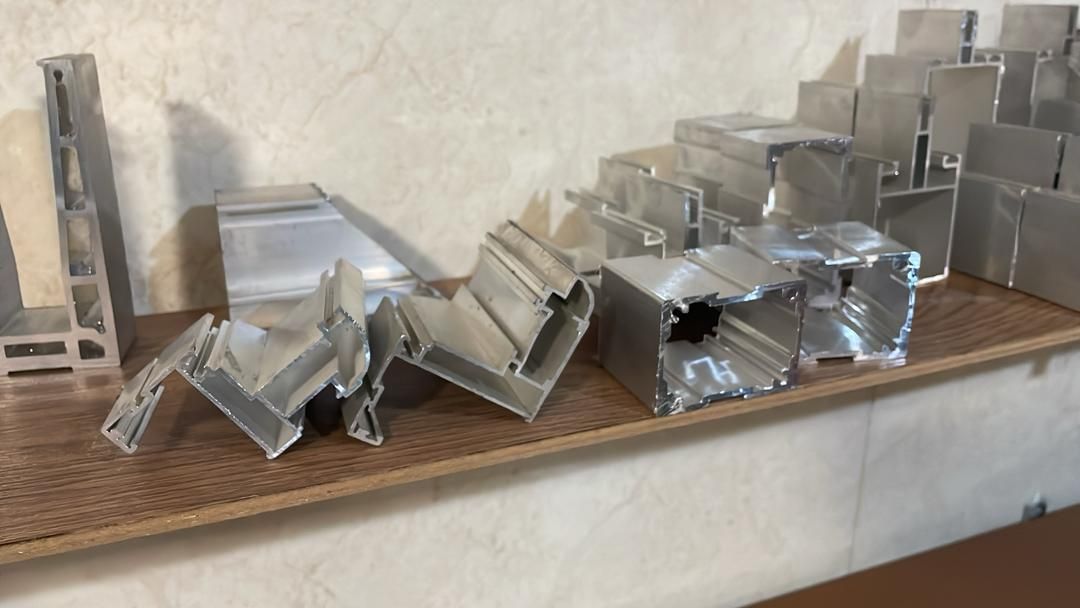
Given their extensive use in outdoor spaces, window walls must be built to withstand various weather conditions. High-quality materials and construction techniques ensure the durability and resilience of these structures. Weather-resistant frames, sealing, and glazing systems help protect against moisture infiltration, air leakage, and thermal bridging. By investing in well-engineered window wall systems, homeowners can enjoy the benefits of outdoor views and natural light without compromising the comfort and safety of their indoor spaces.
-
Outdoor Living and Entertainment:
Window walls play a significant role in creating a seamless transition between indoor and outdoor living areas, offering opportunities for outdoor entertainment and relaxation. Whether it’s a spacious patio, a cozy deck, or a lush garden, window walls allow residents to connect with nature while still enjoying the comforts of the indoors. They enable easy access to outdoor amenities, such as swimming pools, BBQ areas, or fire pits, facilitating a fluid flow between social spaces and encouraging a vibrant outdoor lifestyle.
-
Biophilic Design and Well-being:
Window wall design aligns harmoniously with the principles of biophilic design, which emphasizes our innate connection with nature. By incorporating natural elements into the built environment, biophilic design has been shown to enhance human well-being, productivity, and overall satisfaction. Window walls serve as a key element in implementing biophilic design strategies, bringing the beauty of the outdoors into our living spaces and nurturing a sense of calm, creativity, and vitality.
-
Future Innovations:
As technology and design continue to advance, the possibilities for window wall design in outdoor spaces are constantly evolving. Innovations such as self-tinting glass, smart shading systems, and energy-generating window panels are pushing the boundaries of what window walls can achieve. These advancements aim to optimize energy efficiency, increase functionality, and further enhance the user experience, ensuring that window wall design remains at the forefront of modern architecture.
Conclusion:
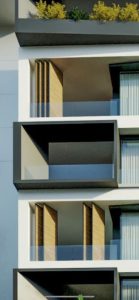
Window wall design in outdoor spaces represents a seamless blend of nature and architecture, capturing the beauty of the surrounding environment while enhancing the living experience. Through their ability to connect indoor and outdoor spaces, window walls offer panoramic views, natural light, and a sense of tranquility. Their sustainability, flexibility, and architectural impact make them a desirable choice for homeowners and designers alike. With ongoing advancements and a focus on biophilic design principles, window walls will continue to shape the way we experience and interact with our built environment, fostering a deeper connection with nature and a more harmonious way of living.

Leave A Comment