
Frame less glass façade
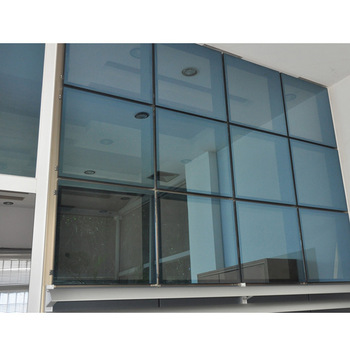
In the world of modern architecture, frameless glass façades have emerged as an innovative and visually stunning design choice. With their seamless integration of glass panels, these structures offer a unique blend of beauty, functionality, and sustainability. In this article, we will explore the features, advantages, and considerations associated with frameless glass façades, highlighting why they have become increasingly popular in contemporary construction.
Unobstructed Views and Natural Light:
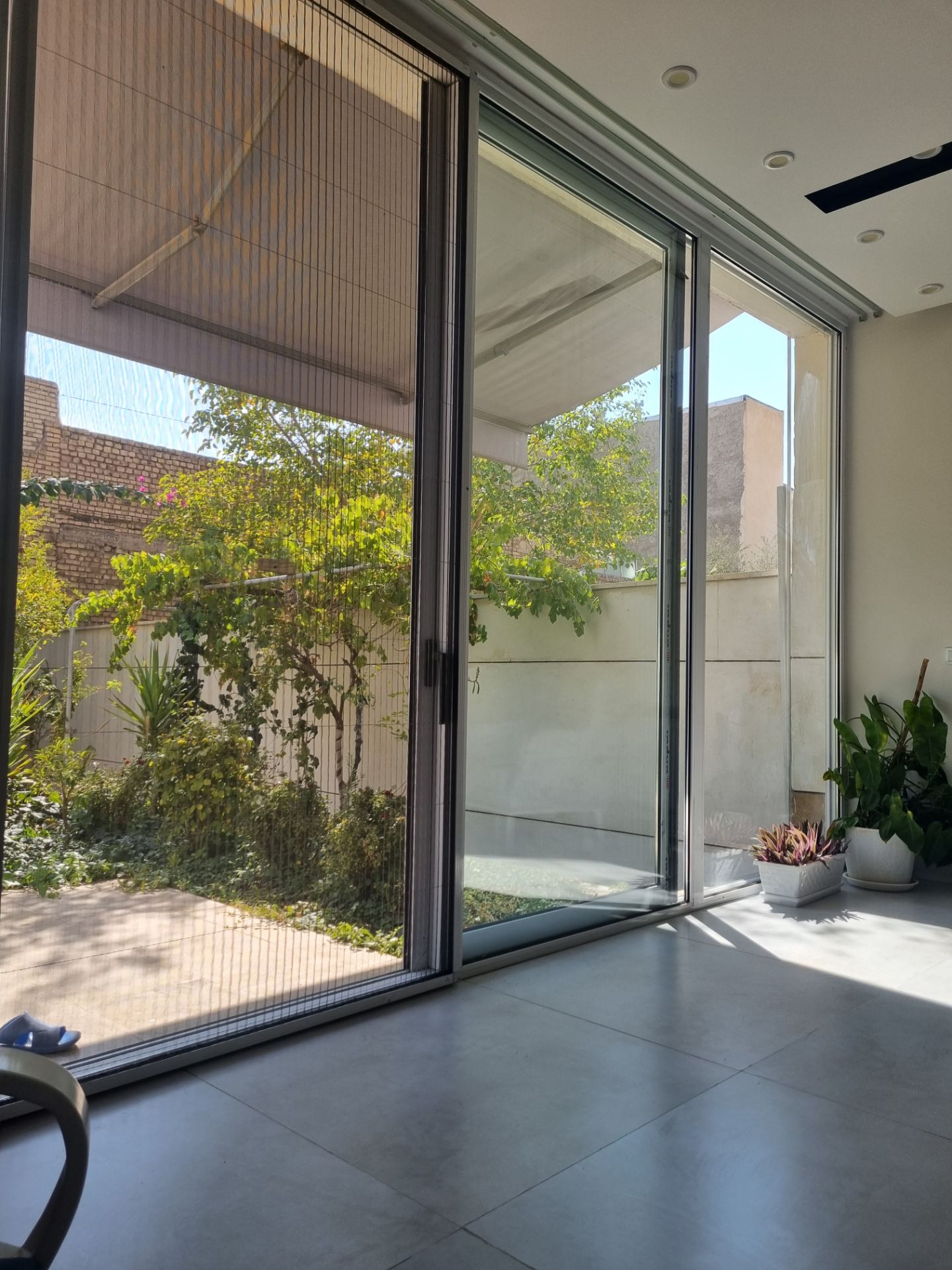
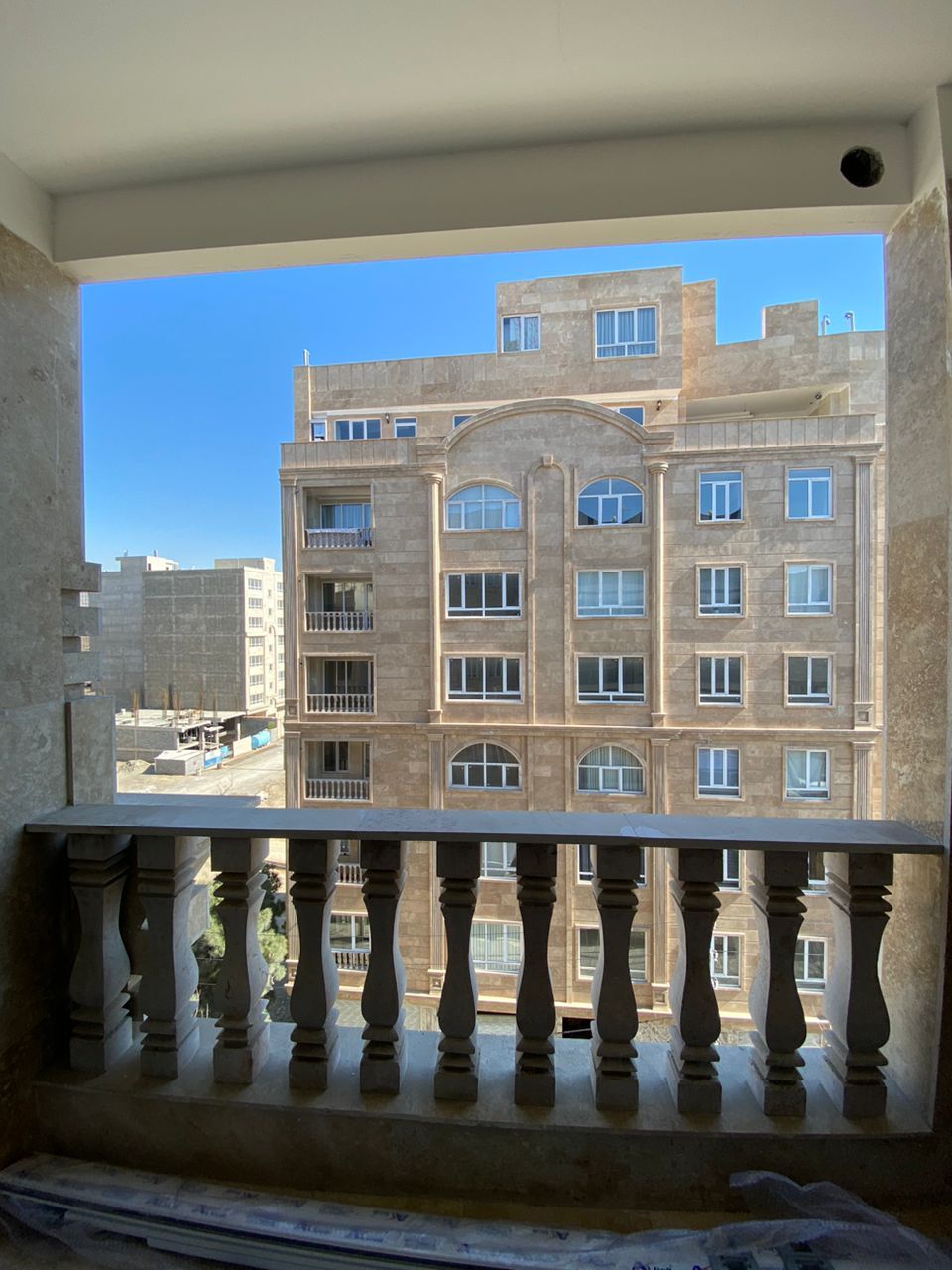
One of the key attractions of frameless glass façades is their ability to provide unobstructed views of the surroundings. By eliminating visible frames and support structures, these façades create a sense of openness, seamlessly connecting the indoor and outdoor spaces. The large glass panels allow abundant natural light to flood the interior, reducing the need for artificial lighting and creating a bright, inviting atmosphere.
Aesthetics and Versatility:
Frameless glass façades lend a sense of elegance and sophistication to any building they adorn. The sleek and minimalist design complements various architectural styles, ranging from modern and futuristic to timeless and classical. The absence of visible frames allows for a seamless integration with other building materials, enabling architects to create striking visual effects and unique design features.
Thermal Efficiency and Energy Conservation: Contrary to the initial concerns about energy efficiency, frameless glass façades have evolved to offer improved thermal performance. Advanced glazing technologies, such as double or triple-glazed glass panels with low-emissivity coatings and insulating gases, help to mitigate heat transfer and enhance insulation. This reduces the reliance on heating and cooling systems, contributing to energy conservation and lower operational costs for the building.
Structural Stability and Safety:
While frameless glass façades may appear delicate, they are engineered to provide structural stability and meet stringent safety requirements. The glass panels used in these façades are made of tempered or laminated glass, which ensures enhanced strength and resistance to breakage. In the event of a breakage, tempered glass fractures into small, harmless pieces, minimizing the risk of injuries. Additionally, frameless glass façades undergo rigorous testing and adhere to strict building codes and safety regulations.
Maintenance and Durability:
Maintaining frameless glass façades is relatively straightforward. The smooth surface of the glass panels makes them easy to clean, and regular maintenance helps preserve their transparency and appearance. Additionally, modern glass coatings can be applied to reduce the accumulation of dirt, minimize water spots, and protect against weathering and corrosion. With proper care, frameless glass façades can retain their aesthetic appeal and functionality for many years.
Considerations and Challenges:
While frameless glass façades offer numerous advantages, there are considerations to keep in mind during the design and construction process. Adequate structural support, compatibility with the building’s overall design, and the choice of appropriate glass thickness and type are crucial factors that architects and engineers must consider. The location and climate of the building site also play a significant role in determining the viability and performance of frameless glass façades.
Additional Considerations:
- Sound Insulation: While frameless glass façades offer excellent visual transparency, they may have limitations in terms of sound insulation. Glass, being a relatively thin material, allows sound to penetrate more easily compared to traditional solid walls. To address this, specialized acoustic glass panels or additional soundproofing measures can be incorporated into the design to ensure a comfortable and quiet indoor environment.
- Solar Heat Gain: The extensive use of glass in frameless façades can lead to increased solar heat gain, especially in regions with high temperatures or intense sunlight. This can result in increased cooling loads and energy consumption. To mitigate this, designers can employ techniques such as solar control coatings, external shading devices, or the integration of low-emissivity glass with high solar heat gain coefficients to balance natural light and thermal comfort.
- Privacy and Glare Control: The transparency of frameless glass façades raises concerns about privacy, especially in densely populated areas or buildings with sensitive functions. Various solutions can address this, including the use of frosted or tinted glass, the incorporation of blinds or shades, or the integration of privacy screens or louvers.
- Environmental Considerations: While frameless glass façades offer the benefit of abundant natural light, they also contribute to increased energy consumption during daylight hours. The excessive use of artificial lighting can offset the potential energy savings. Therefore, it is essential to integrate efficient lighting controls, such as sensors and dimming systems, to optimize energy usage and reduce light pollution.
- Maintenance and Cleaning: As with any glass surface, frameless glass façades require regular maintenance to ensure their aesthetic appeal and functionality. Depending on the location and environmental factors, glass panels may accumulate dirt, dust, or mineral deposits, requiring periodic cleaning. It is crucial to consider access strategies and safe cleaning methods, especially for tall or hard-to-reach areas.
Conclusion:
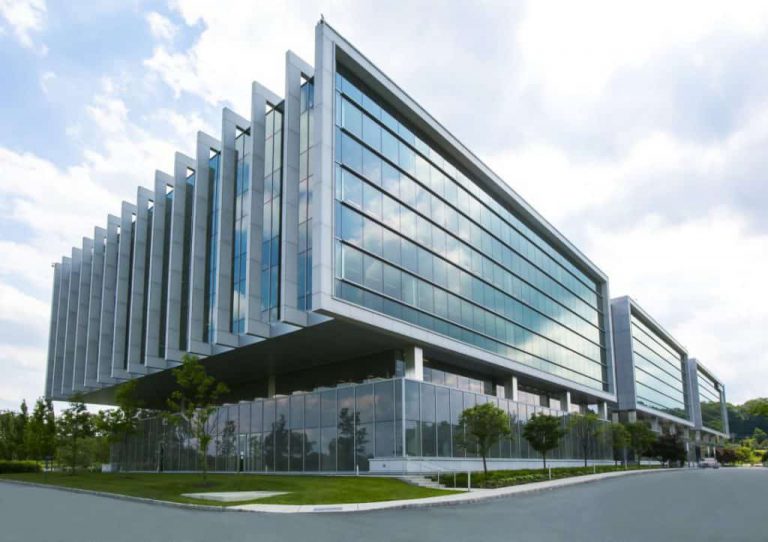
Frameless glass façades have redefined the possibilities of architectural design by seamlessly blending the built environment with the natural surroundings. Their ability to create visually striking and harmonious spaces, enhance natural light, and provide unobstructed views has made them a preferred choice in modern construction. As technology advances, addressing challenges such as sound insulation, solar heat gain, and privacy control will further enhance the performance and sustainability of frameless glass façades. By balancing aesthetics, functionality, and environmental considerations, architects and engineers can continue to push the boundaries of design and create buildings that inspire and captivate while promoting a connection with the external environment.

Leave A Comment