
What purpose louvers building
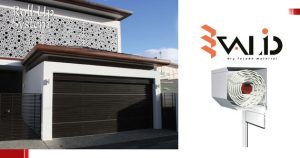
Louvers are a type of architectural feature commonly found on buildings that serve various purposes. They consist of horizontal slats or blades that are typically made of metal, wood, or glass. They are often found on the exterior of buildings, but can also be used internally to control the flow of air and light.
Louvers have been used in architecture for centuries, and their popularity has not waned over time. They are a versatile and functional design element that can be used to achieve a variety of aesthetic and functional goals. In this article, we will explore the different purposes that louvers serve in building design and construction.
Ventilation
One of the primary purposes of louvers is to facilitate ventilation in buildings. In hot and humid climates, ventilation is critical to maintaining a comfortable indoor environment. Louvers allow for the free flow of air into and out of buildings, helping to cool down the space and reduce humidity levels.
Louvers can be designed to operate manually or automatically, depending on the needs of the building. Manual louvers can be adjusted by hand to regulate the amount of airflow, while automatic louvers are equipped with sensors that respond to changes in temperature and humidity levels.
Sun Protection
Another important purpose of louvers is to provide sun protection. Direct sunlight can cause heat gain and glare in buildings, making them uncomfortable and difficult to work in. Louvers can be designed to block direct sunlight while still allowing natural light to enter the building. This helps to reduce energy costs by minimizing the need for air conditioning and artificial lighting.
Louvers can also be designed to move with the angle of the sun throughout the day, providing continuous sun protection without the need for manual adjustment. This feature is especially useful for buildings with large windows or glass facades that are exposed to direct sunlight for extended periods.
Privacy
Louvers can also be used to provide privacy in buildings. They can be designed to block the view into a building while still allowing light to pass through. This is particularly useful in commercial buildings where privacy is important, such as in medical facilities or corporate offices.
Louvers can also be used to create private outdoor spaces, such as balconies or terraces. By installing louvers on the exterior of a building, designers can create shaded areas that are shielded from prying eyes.
Aesthetic Appeal
Beyond their functional purposes, louvers can also be used to enhance the aesthetic appeal of buildings. Louvers can be designed in a variety of materials, colors, and styles, allowing designers to create unique and visually interesting façades.
For example, wooden louvers can be used to create a warm and natural look, while metal louvers can be used to create a more industrial or modern appearance. Glass louvers can be used to create a sleek and contemporary look, while louvers in bright colors can add a playful and whimsical touch.
Security
Louvers can also be used to improve the security of buildings. By installing louvers on windows and doors, designers can prevent unauthorized entry while still allowing air and light to pass through.
Louvers can also be used to provide protection from natural disasters such as hurricanes and tornadoes. In areas prone to these types of events, louvers can be designed to withstand high winds and flying debris.
Sound Control
Louvers can also be used to control the amount of sound that enters or exits a building. In noisy urban environments, louvers can be used to block out traffic and other outdoor noise, creating a more peaceful indoor environment. Conversely, louvers can also be used to control sound within a building, such as in recording studios or performance spaces.
Conclusion
In conclusion, louvers serve a variety of important purposes in building design and construction. They are a versatile and functional design element that can be used to achieve a range of aesthetic and functional goals, from ventilation and sun protection to privacy and security. Louvers can also be used to control the amount of sound that enters or exits a building, making them an essential component of acoustic design.
Whether used for commercial or residential buildings, louvers are an effective way to regulate the flow of air and light while maintaining privacy and security. They are also a stylish and visually interesting design feature that can add a unique touch to any building façade.
When designing a building, it is important to consider the specific needs and goals of the space. By incorporating louvers into the design, architects and designers can create a building that is both functional and aesthetically pleasing.
In addition to their functional benefits, louvers can also improve the energy efficiency of a building. By blocking direct sunlight and reducing heat gain, louvers can reduce the need for air conditioning and artificial lighting, resulting in lower energy costs and a smaller carbon footprint.
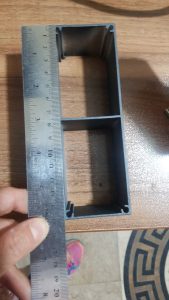
Overall, louvers are a valuable design element that should be considered in any building project. They offer a range of benefits that can improve the comfort, functionality, and aesthetic appeal of a space, making them a wise investment for any building owner or designer.
What purpose louvers building
What purpose louvers building

Leave A Comment