
What purpose curtain wall

Curtain walls are non-load bearing exterior cladding systems that are designed to cover the structural frame of a building. They consist of lightweight materials such as glass, metal, or stone, which are attached to the building’s frame using a series of anchors and supports. Curtain walls have become a popular choice for modern architecture because they provide a range of benefits that include aesthetics, energy efficiency, and flexibility in design. In this article, we will discuss the purpose of curtain walls and how they can enhance a building’s performance.
Aesthetic Appeal
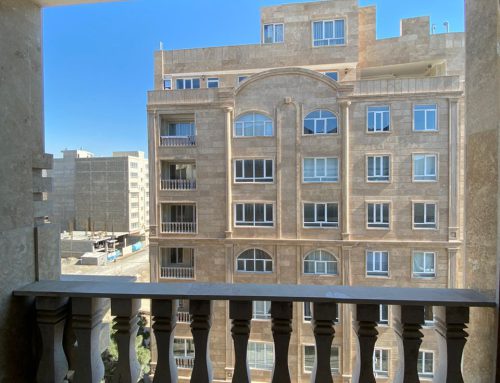
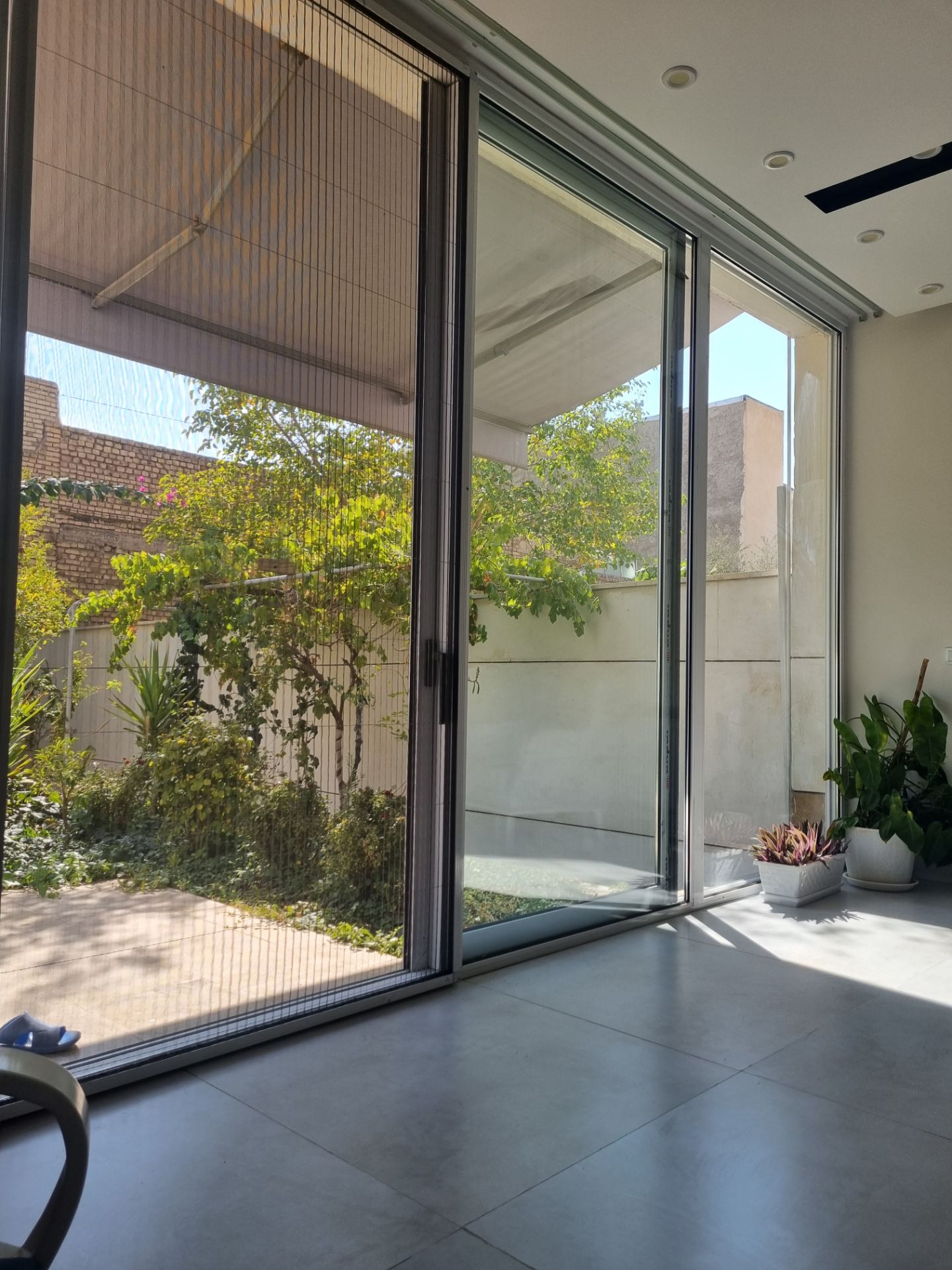
One of the primary purposes of a curtain wall is to provide an aesthetically pleasing façade to the building. Curtain walls can be customized to fit the unique design of a building, and they can be made of various materials and colors to match the surrounding environment. They can be designed to have different shapes and sizes, and they can be arranged in different patterns to create a unique appearance. The use of glass in a curtain wall allows natural light to enter the building, providing a sense of openness and transparency.
Energy Efficiency
Another purpose of a curtain wall is to improve a building’s energy efficiency. Curtain walls are designed to reduce the amount of heat that is lost or gained through a building’s façade. This is achieved by incorporating thermal breaks, insulation, and other energy-saving features into the curtain wall design. The use of double-glazed or triple-glazed glass can also help to reduce the transfer of heat and keep the building’s interior at a comfortable temperature.
Flexibility in Design
Curtain walls offer flexibility in design, which is essential in modern architecture. They can be easily modified to accommodate changes in a building’s design or function, making them a popular choice for buildings that are expected to undergo future renovations. Curtain walls can also be designed to be easily disassembled and reassembled, which makes them an excellent option for temporary structures.
Structural Support
Although curtain walls are not designed to bear the weight of the building, they do provide some structural support. They distribute the weight of the cladding materials evenly across the building’s frame, which helps to reduce the load on the building’s foundation. Curtain walls also help to protect the building from the elements, such as wind and rain, which can cause damage to the building’s exterior.
Fire Safety
Curtain walls also play an essential role in a building’s fire safety. They can be designed to be fire-resistant, which helps to prevent the spread of fire from one part of the building to another. Curtain walls can also be designed to incorporate fire-rated glass, which provides a barrier against the spread of fire and smoke.
Noise Reduction
Curtain walls can also help to reduce the amount of noise that enters a building. The use of double-glazed or triple-glazed glass can help to reduce the transfer of sound, creating a quieter environment inside the building. This is particularly important in buildings located in busy or noisy areas, such as airports or city centers.
Conclusion
In conclusion, curtain walls serve multiple purposes in modern architecture. They provide an aesthetically pleasing façade to the building, improve energy efficiency, offer flexibility in design, provide some structural support, enhance fire safety, and reduce noise levels. With the advancement in technology and material science, curtain walls can now be designed to offer even more benefits, such as self-cleaning and solar power generation. As such, it is no surprise that curtain walls have become a popular choice for modern buildings, and their popularity is expected to continue to rise in the future.
curtain walls have become a staple in modern architecture due to their numerous benefits. They offer an aesthetically pleasing façade, improved energy efficiency, flexibility in design, structural support, fire safety, and noise reduction. They are also easy to install and maintain, making them a popular choice for architects and building owners alike. As technology continues to advance, curtain walls are likely to become even more sophisticated, incorporating features such as self-cleaning capabilities, solar power generation, and improved insulation.
However, it is important to note that curtain walls are not without their challenges. For instance, they can be expensive to install, and they require regular maintenance to ensure that they remain in good condition. Additionally, the use of glass in curtain walls can pose a risk to birds, which can collide with the glass and sustain fatal injuries. Architects and designers must consider these factors when choosing to incorporate curtain walls into a building’s design.
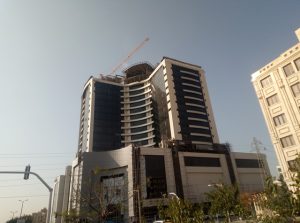
Overall, curtain walls have revolutionized the way that buildings are designed, providing architects with a versatile and visually appealing option for exterior cladding. From office buildings to shopping centers, curtain walls can be found in all types of structures, enhancing their aesthetic appeal, improving their energy efficiency, and increasing their functionality. As such, it is clear that curtain walls will continue to play a vital role in modern architecture for years to come.

Leave A Comment