
What is profile window wall and what different whit curtain wall profile
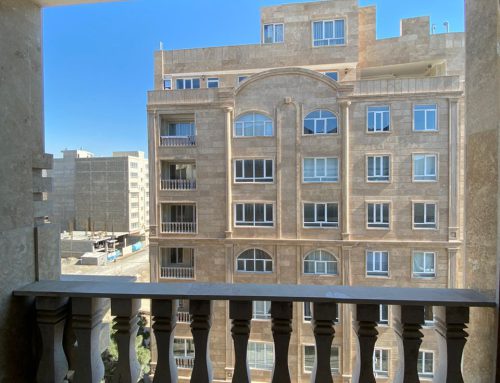
What is profile window wall and what different whit curtain wall profile ,In modern architecture, the design and functionality of building façades are crucial elements that contribute to both aesthetics and structural integrity. Two popular systems used for these purposes are the profile window wall and the curtain wall profile. Though they may appear similar at first glance, they serve different purposes and have distinct characteristics. This article will explore what a profile window wall is and how it differs from a curtain wall profile.
Profile Window Wall
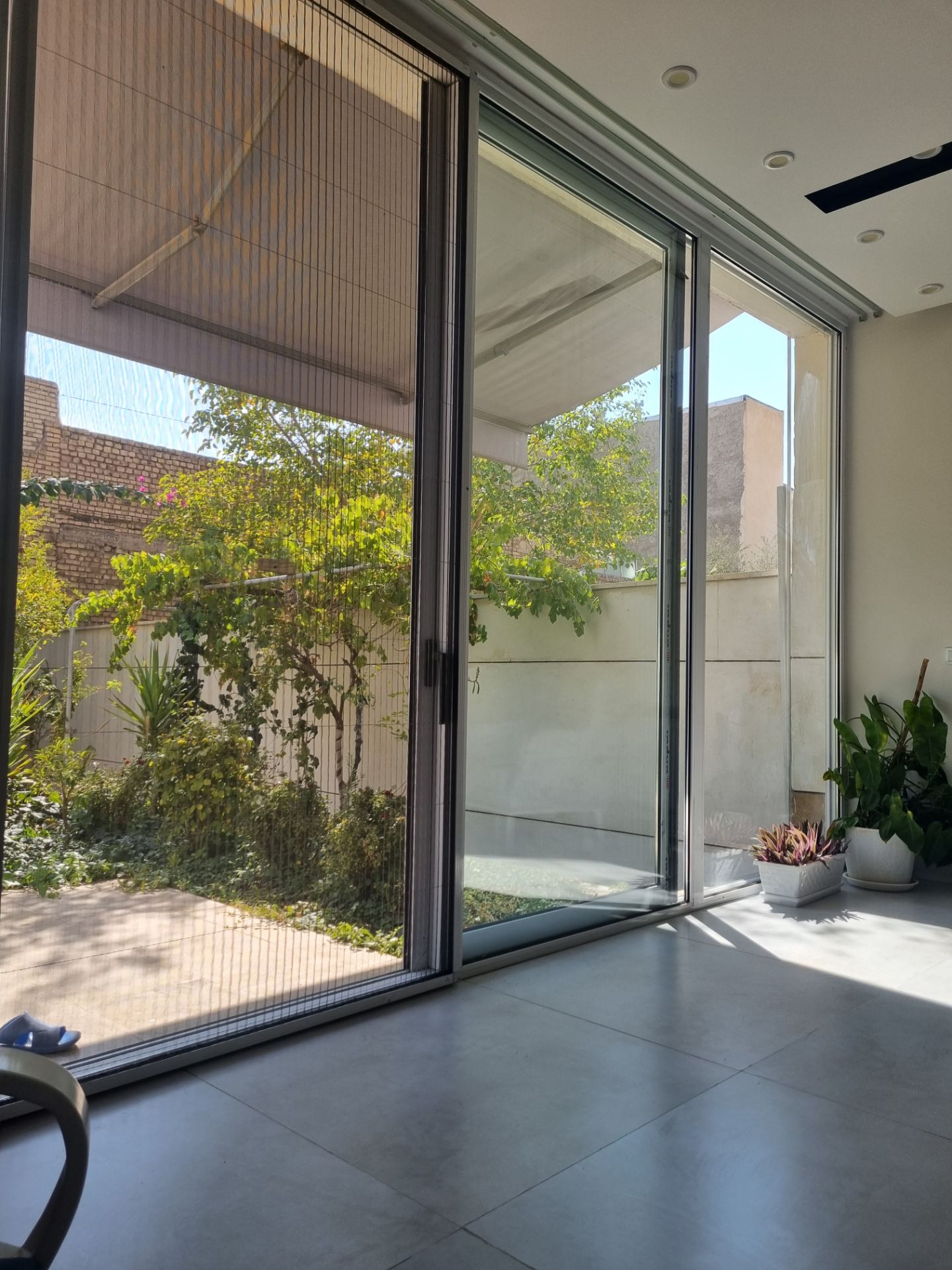
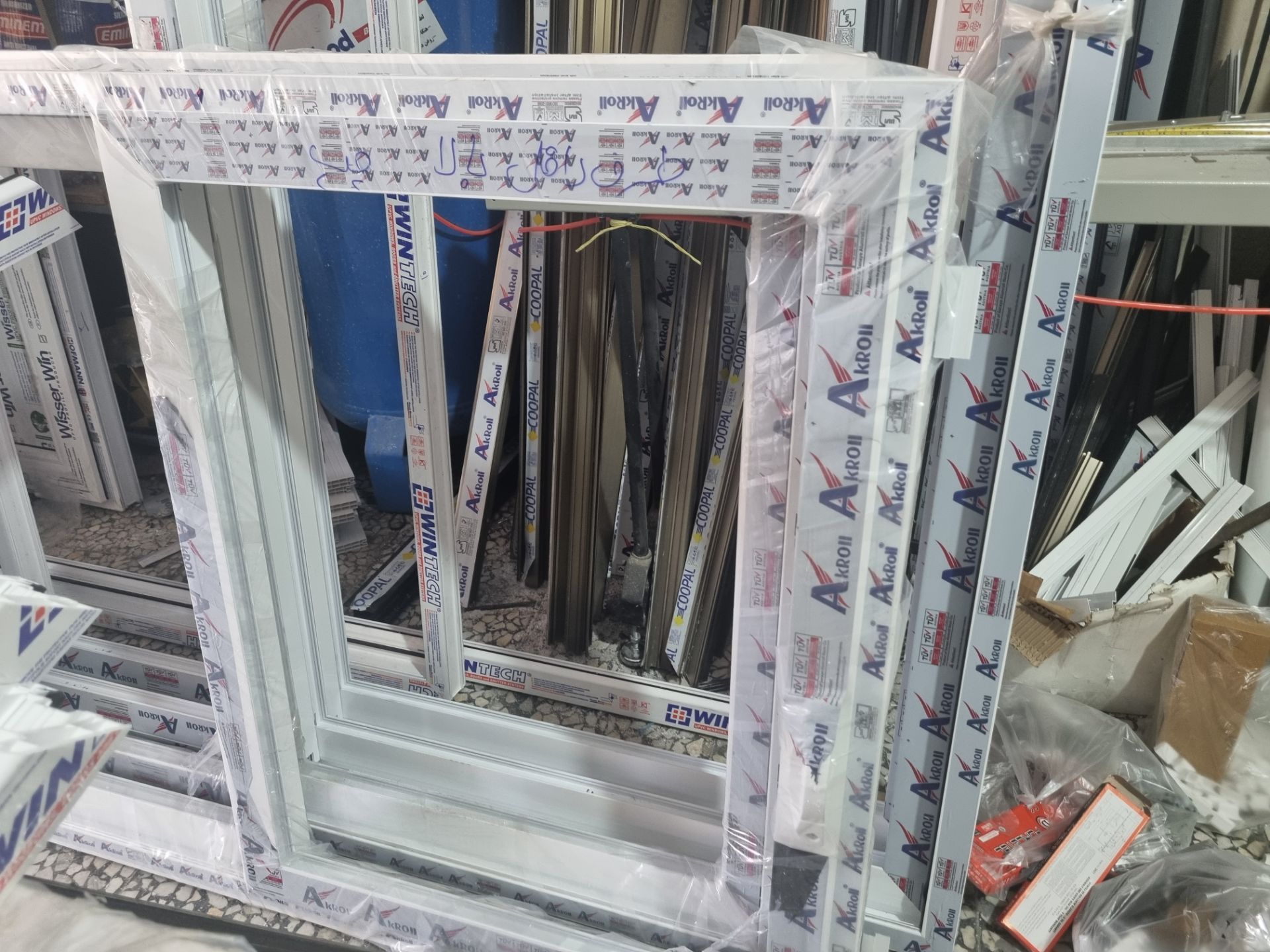
A profile window wall, often referred to simply as a window wall, is a system where individual windows are set within a building’s structural framework, usually between concrete slabs. This system involves the installation of windows into pre-constructed openings, creating a continuous, seamless look.
Key Features:
- Integration with Building Structure:
- Window walls are typically installed slab-to-slab, meaning they fit between the floor slabs of a building. This integration makes the system more structurally dependent on the building’s primary framework.
- Installation Process:
- The installation of window walls is often simpler and less labor-intensive compared to curtain walls. Since they fit directly into the existing structural components, the process can be faster and more cost-effective.
- Thermal and Acoustic Performance:
- Profile window walls can offer excellent thermal and acoustic insulation, as they form tight seals with the surrounding structure. This makes them ideal for residential buildings where comfort and energy efficiency are priorities.
- Design Flexibility:
- Although they are structurally integrated, window walls can still offer a high degree of design flexibility. Various materials, finishes, and configurations can be used to meet aesthetic and functional requirements.
Curtain Wall Profile
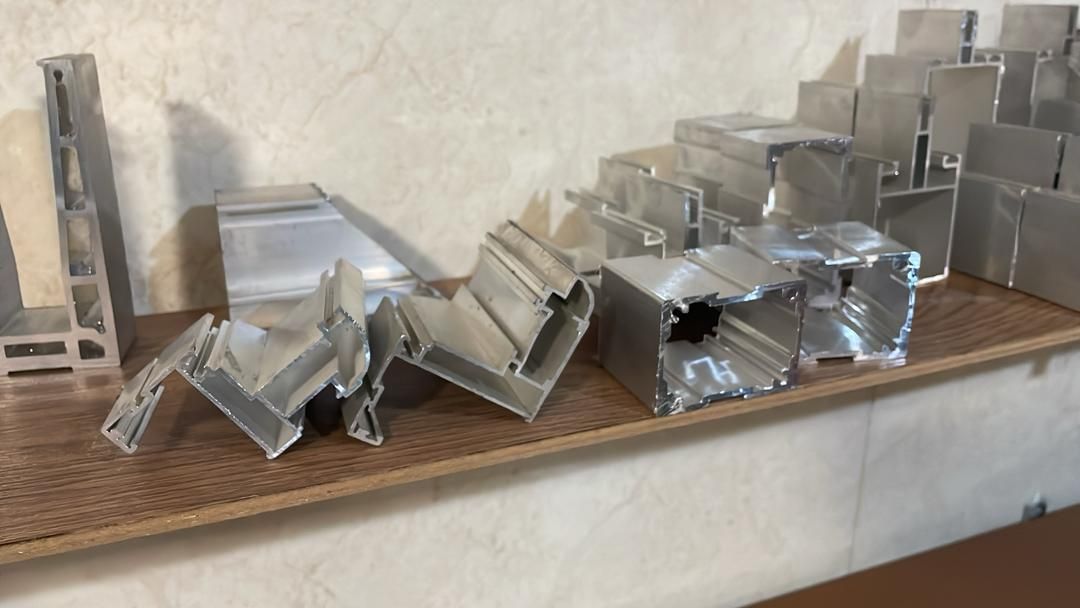
A curtain wall profile, on the other hand, is an exterior cladding system that is attached to the building’s structural frame, typically using aluminum frames with glass, metal panels, or stone veneers. Unlike window walls, curtain walls are non-load-bearing and are designed to span multiple floors.
Key Features:
- Non-Structural Nature:
- Curtain walls are non-load-bearing, meaning they do not support the building’s weight but rather hang like a curtain from the structural framework. This allows for large expanses of glass and other materials, creating a sleek, modern appearance.
- Installation Process:
- The installation of curtain walls is more complex and often requires specialized techniques and equipment. The panels are typically manufactured off-site and then assembled on-site, which can be more time-consuming and costly.
- Weather Resistance:
- Curtain walls are designed to resist air and water infiltration, providing excellent weather resistance. They are engineered to handle significant wind loads and thermal expansion, making them suitable for high-rise buildings.
- Design Versatility:
- One of the biggest advantages of curtain walls is their versatility in design. Architects can create expansive glass façades that allow for maximum natural light and uninterrupted views. They also support various architectural styles and innovative designs.
Differences Between Profile Window Walls and Curtain Wall Profiles
Structural Dependency:
- Profile Window Wall: Integrated with the building’s concrete slabs, relying on the primary structure for support.
- Curtain Wall Profile: Attached to the structural frame, independent of the building’s load-bearing framework.
Installation Complexity:
- Profile Window Wall: Simpler and faster to install, fitting directly into pre-existing openings.
- Curtain Wall Profile: More complex and labor-intensive, often requiring specialized installation techniques.
Cost:
- Profile Window Wall: Generally more cost-effective due to simpler installation and integration.
- Curtain Wall Profile: Can be more expensive due to the complexity and scale of the installation process.
Aesthetic and Functional Flexibility:
- Profile Window Wall: Offers good design flexibility but is somewhat constrained by structural dependencies.
- Curtain Wall Profile: Highly versatile in terms of design, allowing for large, uninterrupted surfaces and innovative architectural solutions.
Application:
- Profile Window Wall: Commonly used in residential buildings and mid-rise structures.
- Curtain Wall Profile: Preferred for commercial buildings, high-rises, and structures where design innovation and extensive glass use are prioritized.
Choosing the Right System
Considerations for Profile Window Walls:
- Building Type:
- Profile window walls are well-suited for residential and mid-rise buildings where floor-to-ceiling windows enhance the living experience by maximizing natural light and views.
- Cost Efficiency:
- The relatively lower installation cost and faster construction timeline make window walls an attractive option for projects with tight budgets and schedules.
- Energy Efficiency:
- Excellent thermal and acoustic performance ensures energy savings and enhanced comfort, making window walls ideal for residential applications where these factors are crucial.
Considerations for Curtain Wall Profiles:
- Architectural Vision:
- Curtain walls are ideal for commercial buildings and high-rises where the design calls for large glass façades and a sleek, modern aesthetic.
- Structural Requirements:
- For buildings that require robust weather resistance and the ability to withstand significant wind loads, curtain walls provide the necessary performance and durability.
- Design Innovation:
- When architectural creativity and versatility are paramount, curtain walls offer unparalleled opportunities for innovative design solutions, allowing for distinctive and iconic building façades.
Future Trends in Façade Systems
As technology advances, both profile window walls and curtain wall profiles continue to evolve, incorporating new materials and construction techniques to enhance performance and aesthetics. Sustainable design practices are increasingly influencing façade system choices, with a growing emphasis on energy efficiency, environmental impact, and occupant comfort.
Integration of Smart Technologies:
- The incorporation of smart glass, which can adjust its transparency and insulation properties based on environmental conditions, is becoming more common in both window and curtain wall systems. This technology enhances energy efficiency and user comfort.
Sustainable Materials:
- The use of eco-friendly materials and designs that support sustainable construction practices is on the rise. Both window walls and curtain walls are being designed to reduce their carbon footprint and improve the overall sustainability of buildings.
Enhanced Performance:
- Advances in materials science are leading to the development of lighter, stronger, and more durable components for both window and curtain walls. These improvements enhance the performance and lifespan of façade systems while reducing maintenance costs.
Conclusion
Choosing between a profile window wall and a curtain wall profile is a decision that hinges on multiple factors, including building type, budget, design goals, and performance requirements. By understanding the unique characteristics and advantages of each system, architects and builders can select the façade solution that best meets the specific needs of their project.
As architectural trends continue to evolve, both profile window walls and curtain wall profiles will play pivotal roles in shaping the skylines of the future, contributing to the creation of buildings that are not only visually stunning but also functional, efficient, and sustainable , What is profile window wall and what different whit curtain wall profile.

Leave A Comment