
What is profile sky light or roof light
Introduction
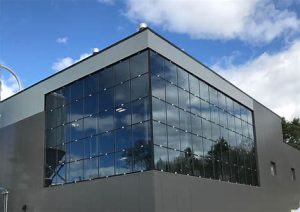
What is profile sky light or roof light ,In modern architecture and building design, the use of natural light is a key consideration for creating energy-efficient and aesthetically pleasing spaces. Profile skylights and roof lights are two innovative solutions that bring daylight into buildings, reducing the need for artificial lighting and enhancing the overall ambiance of interior spaces. This article explores what profile skylights and roof lights are, their benefits, types, and considerations for installation.
What are Profile Skylights?
Profile skylights, also known as profiled rooflights, are a type of glazing system designed to fit seamlessly into the contours of a profiled roof. These roofs are characterized by their corrugated or ribbed metal or plastic sheets, often used in industrial and commercial buildings. Profile skylights are tailored to match these profiles, allowing for a uniform and integrated look.
Key Features:
- Custom Fit: Profile skylights are manufactured to match the specific profile of the roof, ensuring a snug fit that prevents leaks and maintains the roof’s aesthetic.
- Material Options: They are typically made from durable materials like polycarbonate or acrylic, which offer high impact resistance and excellent light transmission.
- UV Protection: Many profile skylights are treated with UV-resistant coatings to protect against the harmful effects of the sun’s rays.
What are Roof Lights?
Roof lights, or roof windows, are installed on flat or pitched roofs to provide natural light and ventilation to the spaces below. Unlike profile skylights, roof lights are more versatile and can be installed in various types of roofing structures, including residential homes, commercial buildings, and industrial facilities.
Key Features:
- Versatility: Roof lights can be installed in different roof types, including flat, pitched, and curved roofs.
- Ventilation Options: Many roof lights come with the option to open, providing ventilation as well as light. Some models are electronically operated for convenience.
- Energy Efficiency: High-quality roof lights often include features like double or triple glazing to improve thermal insulation and reduce energy costs.
Benefits of Profile Skylights and Roof Lights
- Natural Light: Both profile skylights and roof lights allow natural daylight to penetrate interior spaces, creating a brighter and more inviting environment.
- Energy Savings: By reducing the need for artificial lighting, these systems can lower energy consumption and decrease utility bills.
- Improved Mood and Productivity: Access to natural light has been linked to better mood, increased productivity, and overall well-being.
- Aesthetic Appeal: These solutions can enhance the architectural appeal of a building, adding a modern touch and increasing property value.
Types of Profile Skylights and Roof Lights
- Fixed Skylights/Roof Lights: These are non-opening units that provide light but do not offer ventilation. They are ideal for areas where ventilation is not required.
- Ventilated Skylights/Roof Lights: These units can be opened to allow air circulation, making them suitable for kitchens, bathrooms, and attics.
- Tubular Skylights: Also known as sun tunnels, these are compact systems that capture and channel sunlight through a reflective tube, perfect for small spaces like hallways and closets.
- Modular Skylights: These are larger, often custom-designed skylights that can be combined to cover extensive roof areas, commonly used in commercial settings.
Considerations for Installation
- Roof Structure: The type and condition of the roof play a crucial role in the selection and installation of skylights or roof lights. Professional assessment is recommended.
- Orientation and Placement: Proper orientation and placement are essential to maximize light capture and minimize heat gain or loss.
- Building Codes and Regulations: Compliance with local building codes and regulations is necessary to ensure safety and structural integrity.
- Weatherproofing: Ensuring a watertight installation is critical to prevent leaks and water damage.
Future Trends in Skylight and Roof Light Design
The future of skylight and roof light design is being shaped by advancements in technology and growing environmental awareness. Here are some emerging trends:
- Smart Skylights: Integrating smart technology with skylights and roof lights allows for automated control of lighting and ventilation. These systems can adjust opacity, open and close based on weather conditions, and be controlled remotely via smartphones or home automation systems.
- Energy-Generating Skylights: Photovoltaic skylights that generate electricity from sunlight are becoming increasingly popular. These skylights not only provide natural lighting but also contribute to the building’s energy supply, reducing reliance on external power sources.
- Advanced Glazing Technologies: Innovations in glazing materials, such as electrochromic or thermochromic glass, allow skylights to change their tint based on sunlight intensity or temperature. This helps in controlling heat gain and glare, improving comfort and energy efficiency.
- Sustainable Materials: The use of sustainable and recycled materials in skylight and roof light construction is on the rise. This includes options like recycled aluminum frames and eco-friendly glazing materials, aligning with green building practices.
- Enhanced Insulation and Sealing: Improved insulation and sealing technologies are reducing heat loss and preventing drafts, making skylights and roof lights more energy-efficient even in colder climates.
Practical Tips for Homeowners and Builders
For those considering the installation of profile skylights or roof lights, here are some practical tips to ensure a successful project:
- Choose the Right Type: Select the type of skylight or roof light that best fits your needs and the specific requirements of your building. Consider factors like the amount of natural light desired, ventilation needs, and aesthetic preferences.
- Professional Installation: Hire experienced professionals for the installation to ensure that the skylights are correctly fitted and sealed. This minimizes the risk of leaks and other potential issues.
- Maintenance: Regular maintenance is essential to keep skylights and roof lights in good condition. This includes cleaning the glazing, checking seals and weatherproofing, and ensuring that opening mechanisms are functioning properly.
- Energy Efficiency: Opt for skylights and roof lights with high energy efficiency ratings. Look for features such as low-E coatings, double or triple glazing, and thermal breaks in the frames.
- Maximize Natural Light: Position skylights and roof lights to maximize the amount of natural light entering the space. Consider the orientation and angle of the roof, as well as potential obstructions like trees or adjacent buildings.
Case Studies and Examples
To illustrate the impact of profile skylights and roof lights, consider the following examples:
- Residential Home: A family home in a suburban area installed several tubular skylights in their dark hallways and bathrooms. The result was a significant increase in natural light, reducing the need for artificial lighting and enhancing the home’s ambiance.
- Commercial Warehouse: An industrial warehouse replaced sections of its metal roof with profile skylights. This not only improved the working conditions for employees by providing natural daylight but also cut down on electricity costs for lighting during the day.
- Office Building: A modern office building incorporated roof lights in its design, including both fixed and ventilated units. The natural light improved employee productivity and well-being, while the ventilated roof lights contributed to better air quality and thermal comfort.
Final Thoughts
Incorporating profile skylights and roof lights into building designs is a smart choice for anyone looking to enhance natural lighting, improve energy efficiency, and add aesthetic value. With a variety of options available, it’s possible to find a solution that meets specific needs and preferences, whether for residential, commercial, or industrial applications. By staying informed about the latest trends and best practices, homeowners and builders can ensure that their spaces benefit from the many advantages that these innovative daylighting solutions offer , What is profile sky light or roof light , What is profile sky light or roof light.

Leave A Comment