
What are the Aluminum Parts and Alloys in Air Conditioners?
What are the Aluminum Parts and Alloys in Air Conditioners? , Air conditioners are an integral part of modern life, providing comfort and relief from scorching summer heat. While the technology behind air conditioning units has evolved significantly over the years, one crucial element that plays a pivotal role in their construction is aluminum. Aluminum, a lightweight and corrosion-resistant metal, is extensively used in air conditioners for its durability and efficiency. In this article, we will delve into the various aluminum parts and alloys that are employed in air conditioners.
The Role of Aluminum in Air Conditioners
Aluminum is chosen for various components in air conditioners due to its exceptional properties:
- Lightweight: Aluminum’s low density makes it ideal for lightweight components, ensuring that air conditioners are not overly heavy and can be easily transported and installed.
- Corrosion Resistance: Air conditioners are exposed to changing weather conditions, which can lead to corrosion over time. Aluminum’s natural resistance to corrosion ensures the longevity of these units.
- Heat Transfer: Aluminum is an excellent conductor of heat, allowing it to dissipate heat efficiently. This is crucial in air conditioners as it helps maintain a consistent temperature within the unit.
- Ductility: Aluminum’s malleability and ductility make it easy to form into various shapes, allowing manufacturers to design complex components with precision.
Common Aluminum Parts in Air Conditioners
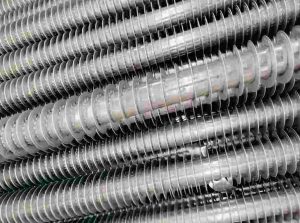
- Condenser and Evaporator Coils: Aluminum coils are a fundamental part of the air conditioning system. The condenser coils release heat from the refrigerant, while the evaporator coils absorb heat from the indoor air. These coils are often made of aluminum due to its high thermal conductivity and resistance to corrosion.
- Condenser Fins: Thin aluminum fins are attached to the condenser coils, increasing the surface area for better heat exchange. These fins play a crucial role in the efficiency of the air conditioning unit.
- Tubing: Aluminum tubing is often used to connect various components within the air conditioner, such as the coils, compressor, and refrigerant lines. Its lightweight and corrosion resistance are essential qualities for this application.
- Fan Blades: The blades in the condenser and evaporator fans are typically made from aluminum. These blades are lightweight and provide efficient airflow, enhancing the heat exchange process.
Aluminum Alloys in Air Conditioners
Air conditioner manufacturers use specific aluminum alloys tailored to their requirements. Some common aluminum alloys used in air conditioners include:
- Aluminum 1100: This pure aluminum alloy is highly ductile and corrosion-resistant, making it suitable for coils and fins. Its low strength is not a significant concern for components that primarily require corrosion resistance.
- Aluminum 3003: An alloy with improved strength over pure aluminum, 3003 is commonly used for tubing and structural components in air conditioners. Its moderate strength and excellent weldability make it a practical choice.
- Aluminum 5052: This alloy offers a good balance between strength, corrosion resistance, and formability. It is often employed in components that require a combination of these properties.
- Aluminum 6061: Known for its high strength and excellent machinability, 6061 is used in some air conditioner components that demand greater structural integrity, such as compressor housings.
As air conditioning technology continues to advance, the role of aluminum in these systems is becoming even more significant. Innovations in materials science and manufacturing techniques are allowing for the development of increasingly efficient and environmentally friendly air conditioners. Here are some of the recent trends and innovations involving aluminum in air conditioner components:
- Microchannel Heat Exchangers: Microchannel heat exchangers, often made from aluminum, have become popular in modern air conditioners. These compact and lightweight heat exchangers offer improved heat transfer efficiency and are being used in both residential and commercial air conditioning systems.
- Aluminum Heat Sinks: As air conditioners become more energy-efficient and compact, the need for efficient heat dissipation has grown. Aluminum heat sinks are used in air conditioning units to manage and dissipate excess heat generated during operation, contributing to the system’s overall efficiency.
- Improved Coil Designs: Advances in coil design and manufacturing techniques are helping air conditioners achieve better heat transfer while minimizing material usage. This results in lighter and more energy-efficient units, reducing environmental impact.
- Eco-Friendly Initiatives: The HVAC industry is increasingly focusing on sustainability. Manufacturers are choosing materials that are not only energy-efficient but also recyclable. Aluminum’s recyclability makes it a favorable choice for the environmentally conscious.
- Advanced Fin Coatings: Some air conditioner manufacturers are applying advanced coatings to aluminum fins, enhancing their corrosion resistance and longevity. These coatings further improve the efficiency and durability of the coils.
As the HVAC industry continues to grow and adapt to changing environmental regulations and consumer demands, manufacturers are investing in research and development to push the boundaries of what air conditioners can achieve. Here are some ongoing and potential developments involving aluminum in air conditioning systems:
- Enhanced Energy Efficiency: The drive for greater energy efficiency is a top priority in the HVAC industry. Researchers are exploring new ways to optimize heat exchange in air conditioners, which may involve improved aluminum alloy designs and alternative materials to further reduce energy consumption.
- Nanotechnology Applications: Nanotechnology holds great promise in improving the performance of air conditioner components. The application of nano-coatings on aluminum surfaces can enhance heat transfer properties, reduce energy consumption, and increase the longevity of these components.
- Eco-Friendly Refrigerants: The shift towards eco-friendly refrigerants, such as hydrofluorocarbon (HFC)-free alternatives, is influencing the design of air conditioning systems. Aluminum components will need to adapt to accommodate these new refrigerants, which may have different performance characteristics.
- Smart Air Conditioners: With the advent of the Internet of Things (IoT), air conditioners are becoming smarter and more interconnected. Advanced aluminum components with embedded sensors and microprocessors may be developed to enhance system control and energy efficiency.
- Sustainable Practices: Sustainability and environmental responsibility are driving changes in the HVAC industry. The recycling and responsible disposal of aluminum components in old air conditioners are becoming more common, reducing waste and conserving resources.
Air conditioning systems have come a long way since their inception, with aluminum consistently proving to be a critical element in their evolution. As research and development efforts continue, we can expect further advancements in the industry, aimed at improving performance, reducing environmental impact, and enhancing user experience.
One of the key areas of focus in the air conditioning industry is adapting to the challenges of climate change and increasing energy efficiency. As temperatures rise and the demand for air conditioning grows, manufacturers are working on developing systems that not only cool indoor spaces effectively but also do so with minimal energy consumption. Aluminum’s excellent heat transfer properties and durability make it a prime candidate for use in these eco-friendly systems.
Furthermore, air conditioning units are becoming more integrated with smart technology. With the advent of smart thermostats and home automation, air conditioners can now be controlled remotely, and their usage optimized to reduce energy consumption. Aluminum components within these systems are being designed to work seamlessly with these technologies, enhancing their efficiency.
In the coming years, the air conditioning industry will continue to emphasize sustainability. This includes efforts to reduce the carbon footprint of manufacturing and disposal. Aluminum’s recyclability makes it an excellent choice for a more sustainable future. Manufacturers are increasingly looking for ways to use recycled aluminum in the production of air conditioner components, reducing the demand for virgin materials and lowering the environmental impact.
As the air conditioning industry continues to evolve, it is worth noting that the application of aluminum is not limited to residential or commercial cooling systems alone. It extends to various other sectors, including automotive, aerospace, and renewable energy, where aluminum’s properties are highly valued.
In the automotive industry, for example, aluminum is increasingly being used in the design and manufacturing of air conditioning components in vehicles. This not only helps reduce the weight of the vehicle, improving fuel efficiency, but also enhances the overall performance of automotive air conditioning systems. As the automotive sector continues to shift toward electric and hybrid vehicles, the efficiency of air conditioning units becomes even more critical to optimize battery life.
Aerospace is another sector where aluminum’s lightweight and corrosion-resistant properties are indispensable. In aircraft, maintaining a controlled and comfortable cabin environment is crucial for passenger comfort. Aluminum components play a key role in the design and construction of air conditioning systems in airplanes, contributing to the overall efficiency and safety of air travel.
Renewable energy initiatives, such as solar power and wind turbines, are also harnessing the benefits of aluminum in their cooling and heat exchange systems. As these industries grow and evolve, the need for lightweight, efficient, and durable components becomes increasingly vital. Aluminum’s adaptability makes it an ideal choice for these applications, contributing to the overall sustainability of these energy sources.
In summary, the role of aluminum in air conditioners extends beyond the realm of cooling homes and offices. It is a versatile and essential material that contributes to enhanced efficiency and sustainability in various industries, including automotive, aerospace, and renewable energy. As technological advancements continue to shape our world, aluminum will remain a key player in achieving energy-efficient, lightweight, and environmentally responsible solutions across these sectors.
The combination of ongoing research and development efforts, growing awareness of environmental sustainability, and the versatility of aluminum ensures that the future of air conditioning and related industries will be characterized by increased efficiency and reduced environmental impact. As aluminum continues to be a fundamental component in these technologies, we can look forward to a more comfortable and sustainable future , What are the Aluminum Parts and Alloys in Air Conditioners?.



Leave A Comment