
Aluminum profile system
Introduction
Aluminum profile systems have revolutionized the way industries approach design and manufacturing. These innovative systems, often referred to as aluminum extrusions or aluminum structural framing, have gained immense popularity for their versatility, durability, and ease of use. In this article, we will delve into the world of aluminum profile systems, exploring their applications, benefits, and why they have become a crucial component in various industries.
Understanding Aluminum Profile Systems
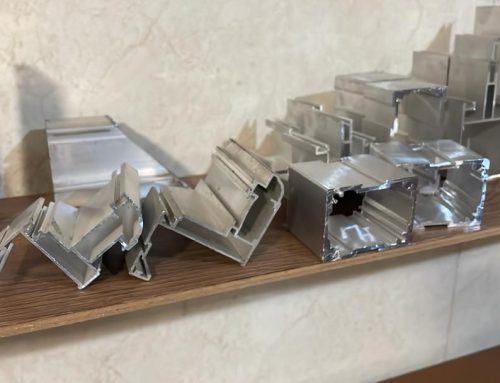
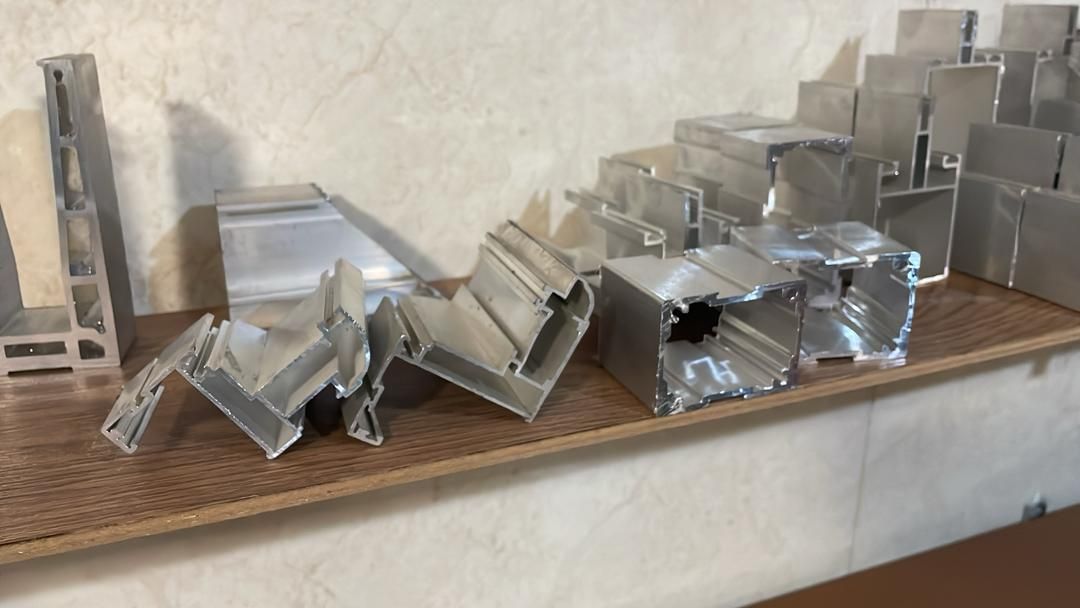
Aluminum profile systems are built around the concept of using lightweight, strong, and corrosion-resistant aluminum extrusions to create a wide range of structures, be it a simple frame, complex machinery, or entire workstations. These systems consist of standardized aluminum profiles with various cross-sectional shapes, connectors, and accessories, which can be easily assembled to create custom solutions for a myriad of applications.
Applications Across Industries
- Industrial Automation and Robotics: Aluminum profile systems have found extensive use in the field of industrial automation and robotics. Engineers and designers can quickly construct frames for robotic cells, conveyor systems, and assembly lines. The lightweight nature of aluminum reduces the weight of structures without compromising strength, resulting in more efficient and agile automation solutions.
- Aerospace: Aerospace companies have adopted aluminum profile systems for their ability to provide lightweight, strong, and corrosion-resistant structures, particularly in the construction of aircraft frames and workstations for maintenance and assembly.
- Automotive Manufacturing: In the automotive industry, aluminum profiles are used to create ergonomic workstations for assembly lines, storage systems for parts, and even safety structures like machine guarding. The flexibility of the system allows for swift adjustments as production lines evolve.
- Healthcare and Laboratory Equipment: Aluminum profile systems are also integral in the healthcare sector, where they are employed to build custom racks, carts, and adjustable workstations for laboratories, healthcare facilities, and pharmaceutical companies.
Benefits of Aluminum Profile Systems
- Versatility: The adaptability of aluminum profile systems is one of their primary strengths. Engineers and designers can quickly modify structures to accommodate changing requirements, making them a cost-effective solution for dynamic industries.
- Light Weight: Aluminum’s low density makes it an ideal choice for applications that require strength without excessive weight. This property is especially valuable in transportation, where reducing weight can enhance fuel efficiency and performance.
- Durability: Aluminum’s natural resistance to corrosion, even without additional coatings, ensures that structures built using aluminum profiles have a long service life, reducing maintenance and replacement costs.
- Sustainability: Aluminum is a highly recyclable material, which aligns with the growing focus on sustainable and environmentally friendly practices. The eco-friendly nature of aluminum profile systems makes them a responsible choice for businesses aiming to reduce their carbon footprint.
- Cost-Effective: The initial investment in aluminum profile systems is typically offset by long-term cost savings due to their durability and flexibility. Companies can repurpose the profiles for new projects, minimizing waste and lowering expenses over time.
Expanding into the Future
The aluminum profile system’s evolution is far from over. As technology advances and industries continue to push the boundaries of innovation, these systems are also expected to develop further. Here are a few trends and possibilities to look out for in the coming years:
- Advanced Materials: Researchers are constantly exploring new materials and alloys that can enhance the properties of aluminum, making it even stronger and lighter. These innovations could open doors to more specialized applications in various industries.
- Integrated Electronics: With the increasing integration of electronics and sensors into industrial processes, aluminum profile systems may incorporate designs to accommodate wiring, cables, and components seamlessly. This integration can simplify the creation of smart manufacturing environments.
- 3D Printing and Customization: 3D printing technology is being combined with aluminum profiles to create customized and intricate designs. This marriage of technologies allows for rapid prototyping and the creation of unique structures tailored to specific needs.
- Automation and Industry 4.0: The ongoing development of Industry 4.0 and the rise of smart factories will continue to increase the demand for flexible and adaptive structures. Aluminum profile systems will play a crucial role in creating dynamic and evolving production environments.
- Sustainability Initiatives: As environmental concerns become more pressing, aluminum profile systems will likely see innovations focused on enhancing recyclability, reducing waste, and further minimizing their environmental impact.
Challenges and Considerations
While aluminum profile systems offer a multitude of benefits, there are also challenges and considerations that industries need to be aware of. These include:
- Cost of Entry: Although aluminum profiles prove cost-effective over the long run, the initial investment can be relatively high. Companies should carefully evaluate their needs and budget constraints to determine if these systems align with their goals.
- Design Expertise: Designing structures using aluminum profiles may require specialized knowledge. Companies might need to invest in training or hire professionals familiar with the intricacies of the system.
- Compatibility: It’s essential to ensure that all the components and accessories are compatible with the chosen aluminum profile system. Mixing and matching profiles from different manufacturers may lead to compatibility issues.
- Maintenance: While aluminum profiles are durable and resistant to corrosion, they still require periodic maintenance. Dust and debris can accumulate in the profiles’ slots, affecting the ease of assembly. Routine maintenance is crucial to ensure the system’s continued functionality.
- Sustainability: Although aluminum is a recyclable material, industries must also consider the sustainability of other components, such as fasteners and accessories, to minimize their environmental impact fully.
Incorporating these considerations into the planning and implementation of aluminum profile systems will help industries maximize their advantages while mitigating potential challenges.
Conclusion
Aluminum profile systems have proven to be a transformative force across a wide spectrum of industries. Their versatility, lightweight nature, durability, and sustainability have made them a go-to choice for creating structures that are strong, adaptable, and long-lasting. As industries continue to evolve, the role of aluminum profiles is set to expand even further.
With advancements in materials, increased integration of technology, and a growing emphasis on sustainability, the aluminum profile system is likely to remain a key player in modern industrial innovation. Companies that embrace these systems will not only benefit from cost-effective, agile solutions but also contribute to a more sustainable and efficient future for industries worldwide.
In summary, the aluminum profile system is not just a building material; it’s a symbol of adaptability, efficiency, and a brighter, more sustainable industrial future. Its potential to shape the industries of tomorrow is as limitless as the imagination of those who put it to use.



Leave A Comment