
Vertical louvers façade
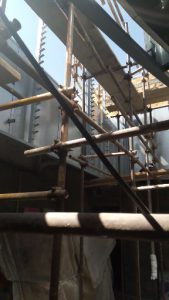
Vertical louvers facades, also known as brise-soleil or sunscreens, are a popular design feature in modern architecture. These facades consist of a series of vertical slats, typically made of metal or wood, that are positioned parallel to the building’s exterior walls. The slats can be fixed or adjustable, and are designed to provide shade and reduce solar heat gain in the building’s interior spaces.
The concept of using vertical louvers as a shading device is not new. It has been used in traditional architecture for centuries in hot climates to provide shade and cooling. In recent years, with the increased focus on energy efficiency and sustainability in building design, the use of vertical louvers facades has become even more popular.
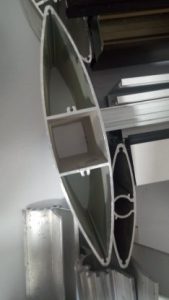
One of the primary benefits of using a vertical louvers facade is its ability to reduce solar heat gain in a building’s interior spaces.
When the sun’s rays enter a building through its windows, they heat up the interior spaces, which can lead to uncomfortable conditions and increased energy use for cooling. By installing a vertical louvers facade, the slats can be angled to deflect the sun’s rays away from the building’s windows, reducing the amount of solar heat gain and keeping the interior spaces cooler.
In addition to reducing solar heat gain, vertical louvers facades can also provide other benefits. For example, they can be used to improve a building’s aesthetics, by adding depth and texture to the facade. They can also be used to provide privacy, by obscuring the view into a building’s interior spaces. And they can be used to reduce glare, by diffusing the sunlight that enters a building’s windows.
There are several different types of vertical louvers facades, each with its own unique characteristics and benefits. One common type is the fixed louver facade, which consists of a series of fixed slats that are positioned at a fixed angle to the building’s exterior walls. Fixed louver facades are relatively simple to install and maintain, and can be made from a variety of materials, including metal, wood, and plastic.
Another type of vertical louvers facade is the adjustable louver facade, which allows the slats to be adjusted to different angles depending on the time of day or season. This allows for greater control over the amount of sunlight and heat that enters a building’s interior spaces, and can help to optimize energy efficiency.
A third type of vertical louvers facade is the kinetic louver facade, which consists of slats that are mounted on a series of motors or actuators. This allows the slats to be adjusted automatically in response to changing weather conditions, such as changes in wind direction or cloud cover. Kinetic louver facades can be highly effective at reducing solar heat gain and optimizing energy efficiency, but they are also more complex and expensive to install and maintain.
When designing a vertical louvers facade, there are several factors that need to be taken into consideration. These include the orientation of the building, the angle and spacing of the slats, and the materials used for the slats and supporting structure. The orientation of the building is particularly important, as it will determine the direction of the sun’s rays and the amount of solar heat gain that needs to be mitigated.
The angle and spacing of the slats will also have a significant impact on the performance of the vertical louvers facade. Slats that are angled too steeply may not provide enough shade, while slats that are angled too shallowly may not allow enough daylight to enter the building’s interior spaces. Similarly, slats that are spaced too far apart may not provide enough shading, while slats that are spaced too closely together may restrict airflow and reduce ventilation.
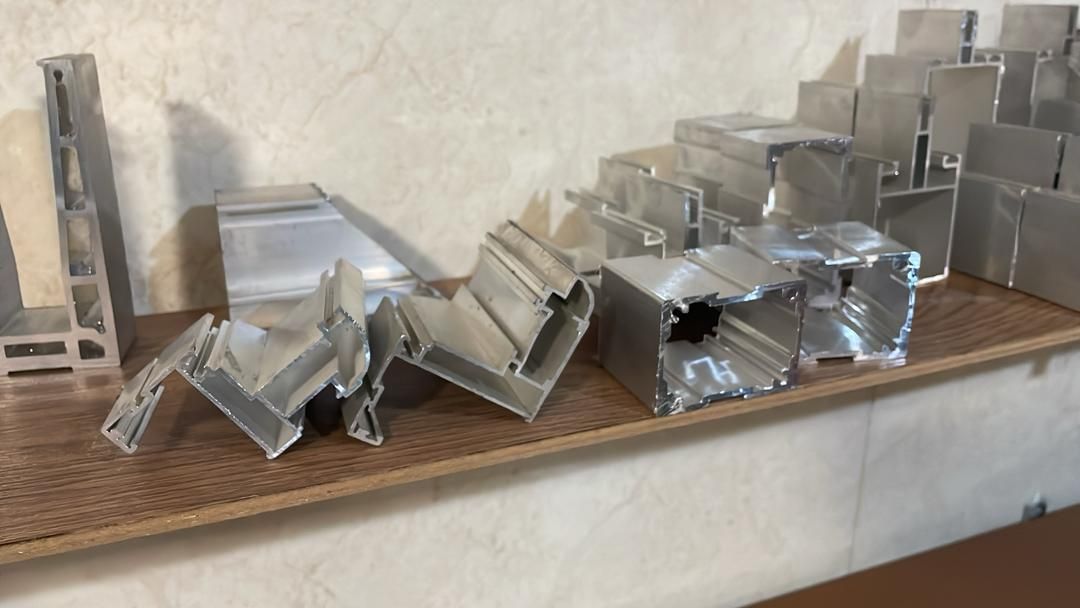
The materials used for the slats and supporting structure are also important considerations. Metal slats are durable and low maintenance, but can conduct heat and may require additional coatings or finishes to prevent corrosion. Wood slats can provide a warm and natural aesthetic, but may require more maintenance and are susceptible to rot and insect damage if not properly treated.
Plastic slats can be lightweight and inexpensive, but may not be as durable or aesthetically pleasing as other materials.
In addition to the materials used for the slats, the supporting structure is also an important consideration.
The structure must be strong enough to support the weight of the slats, as well as any wind or weather loads. It must also be designed to allow for proper ventilation and drainage to prevent moisture buildup and potential damage to the facade.
One important consideration when designing a vertical louvers facade is the impact it will have on the building’s energy efficiency. By reducing solar heat gain and improving ventilation, a vertical louvers facade can help to lower a building’s energy use and reduce its carbon footprint. However, it is important to ensure that the facade does not negatively impact the building’s natural daylighting or ventilation, which can have a significant impact on occupant comfort and productivity.
Another consideration is the cost of the vertical louvers facade, which can vary depending on the materials used, the complexity of the design, and the installation and maintenance requirements.
While vertical louvers facades can be expensive to install, they can also provide long-term cost savings through reduced energy use and maintenance costs.
Overall
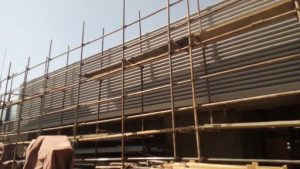
vertical louvers facades are a versatile and effective design feature that can provide numerous benefits for modern architecture. Whether used for shading, privacy, or aesthetics, vertical louvers facades can help to improve a building’s energy efficiency, comfort, and functionality. By carefully considering the orientation, angle, spacing, and materials used for the slats and supporting structure, designers can create a vertical louvers facade that not only looks great, but also performs well and enhances the overall performance of the building.

Leave A Comment