
Advantages and disadvantages of louvers
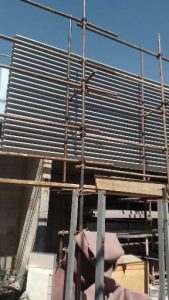
Louvers are a popular architectural element used in many buildings for various purposes. They are typically made of horizontal slats or blades that are angled to allow air and light to pass through while blocking rain, direct sunlight, and other elements. Louvers can be used for both functional and aesthetic purposes and can be found in a variety of applications, including windows, doors, ventilation systems, and sunshades.
Advantages of Louvers:
Ventilation and Airflow
One of the most significant advantages of louvers is their ability to provide ventilation and airflow. By allowing air to pass through the slats, louvers can help to circulate air and improve indoor air quality. They are particularly useful in areas where air conditioning is not available, such as garages or workshops, as they can provide a source of natural ventilation.
Privacy and Security
Louvers can also provide privacy and security benefits. When used in doors and windows, they can provide an added layer of security by preventing anyone from seeing inside. Louvers can also be used to obscure the view of a specific area, such as an outdoor patio or pool, while still allowing air and light to pass through.
Energy Efficiency
Louvers can help to improve the energy efficiency of a building by blocking direct sunlight and reducing the amount of heat that enters a building. This can help to reduce the workload on air conditioning systems and lower energy bills.
Aesthetic Appeal
Louvers can add a unique aesthetic element to a building’s design. They can be customized to fit the design and color scheme of a building and can be used to create a distinctive architectural feature.
Disadvantages of Louvers:
Maintenance
One of the biggest disadvantages of louvers is that they require regular maintenance. The slats can become clogged with debris, which can reduce their effectiveness and lead to water damage. Regular cleaning and maintenance are necessary to keep louvers in good working order.
Noise
Louvers can also be noisy, particularly if they are not installed correctly. Wind passing through the slats can create a whistling or humming noise, which can be distracting and annoying.
Limited Light Control
While louvers can block direct sunlight, they can also limit the amount of natural light that enters a building. This can be a disadvantage in areas where natural light is important, such as in offices or retail spaces.
Cost
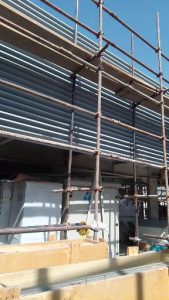
Louvers can be expensive to install, particularly if they are customized to fit a specific design. The cost of louvers can vary widely depending on the material used, the size of the installation, and the level of customization required.
Materials used in Louvers:
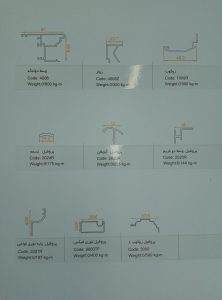
Louvers can be made from a variety of materials, including wood, aluminum, steel, and plastic. Each material has its own set of advantages and disadvantages, and the choice of material will depend on the specific application.
Wood
Wooden louvers are a popular choice for their aesthetic appeal and natural look. They can be stained or painted to match the design of a building and are relatively inexpensive. However, wooden louvers require regular maintenance to prevent rot and decay, which can make them less durable than other materials.
Aluminum
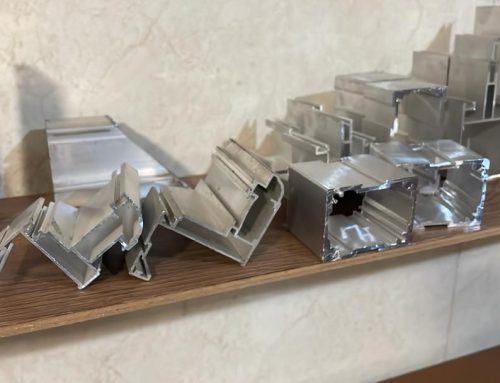
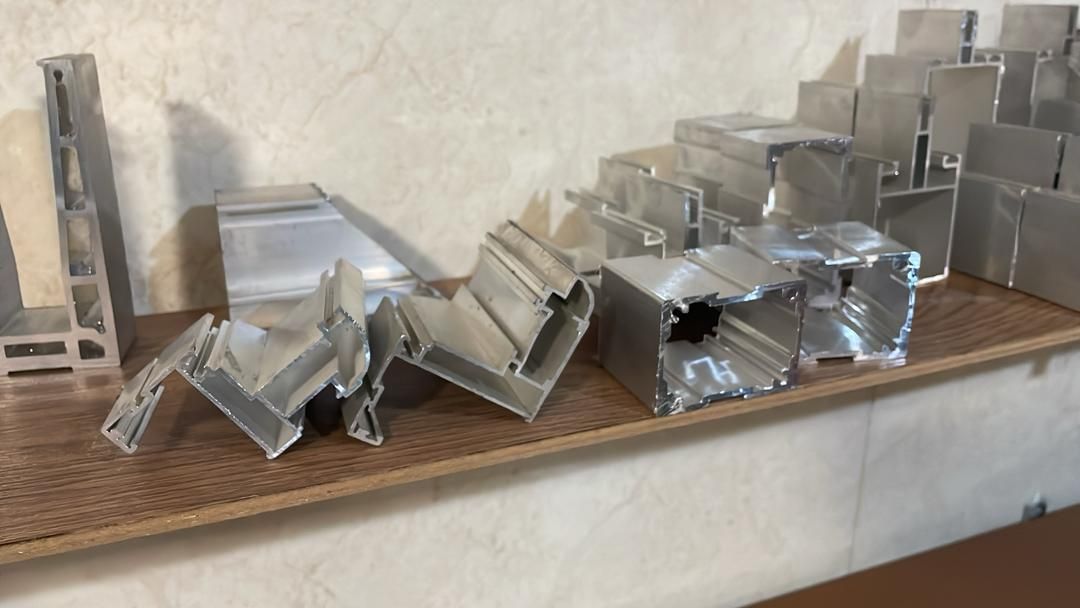
Aluminum louvers are durable, lightweight, and resistant to corrosion, making them a popular choice for outdoor applications. They are also easy to install and require minimal maintenance. However, aluminum louvers can be expensive, and they may not be as aesthetically pleasing as other materials.
Steel
Steel louvers are strong and durable, making them ideal for high-traffic areas. They can be powder-coated to match the design of a building and are resistant to corrosion. However, steel louvers can be heavy and difficult to install, and they may not be as effective at blocking light and airflow as other materials.
All-focus
Plastic
Plastic louvers are lightweight, easy to install, and low maintenance. They are also relatively inexpensive, making them a popular choice for residential applications. However, plastic louvers may not be as durable as other materials and can become brittle over time, especially when exposed to direct sunlight.
Installation of Louvers:
The installation of louvers can be a complex process, and it is essential to ensure that they are installed correctly to maximize their effectiveness and durability. The installation process will depend on the specific application and the type of material used.
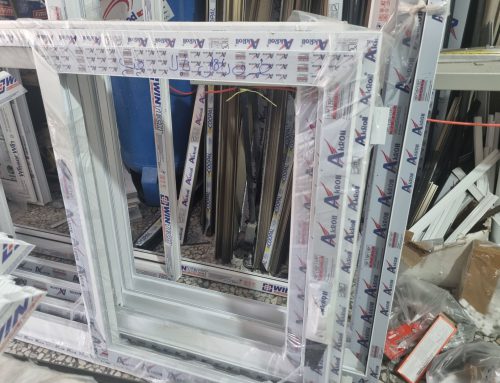
For windows and doors, louvers are typically installed within a frame that is mounted to the wall or the window/door opening. The frame can be made from a variety of materials, including wood, aluminum, and steel.
For ventilation systems, louvers are typically installed within a ductwork system that is connected to the HVAC system. The ductwork can be made from a variety of materials, including sheet metal, fiberglass, and plastic.
For sunshades, louvers are typically installed on the exterior of the building and mounted to a support structure. The support structure can be made from a variety of materials, including steel, aluminum, and wood.
Conclusion
Louvers can be a valuable addition to any building, providing a range of benefits, including ventilation, privacy, energy efficiency, and aesthetic appeal. However, they also have some disadvantages, such as maintenance requirements, noise, and limited light control. The choice of material and installation method will depend on the specific application and the desired outcome. With proper installation and maintenance, louvers can provide long-lasting benefits and enhance the functionality and appearance of a building.
Advantages and disadvantages of louvers
Advantages and disadvantages of louvers

Leave A Comment