
Unitised curtain wall construction advantage or disadvantages
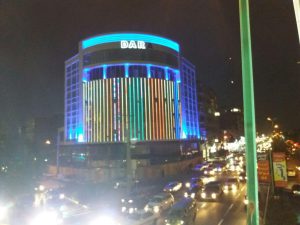
Unitised curtain wall construction advantage or disadvantages,Curtain walls are an essential component in modern building construction, serving as an exterior enclosure system that provides protection against the elements while enhancing the aesthetic appeal of the structure. Among the various types of curtain wall systems, unitised curtain wall construction has gained significant popularity in recent years due to its numerous advantages. However, like any building technology, it also comes with its own set of disadvantages. In this article, we will explore both the advantages and disadvantages of unitised curtain wall construction.
Advantages:
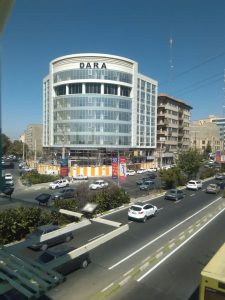
- Faster Installation: One of the most significant advantages of unitised curtain walls is the speed of installation. The system is fabricated off-site in controlled factory conditions, allowing for simultaneous construction on-site. This parallel activity can significantly shorten the project’s timeline, leading to faster building completion and reduced construction costs.
- Improved Quality Control: The factory-controlled manufacturing process ensures better quality control compared to traditional on-site construction. Consistency in manufacturing helps minimize defects and ensures that each unit fits precisely, reducing the likelihood of water leakage, air infiltration, and other potential issues.
- Enhanced Safety on-site: With a unitised system, fewer workers are required on-site for installation compared to traditional stick-built curtain walls. This results in reduced congestion, minimized safety risks, and a safer working environment overall.
- Energy Efficiency: Unitised curtain walls can offer better thermal performance due to the integration of advanced insulation materials and the ability to control air infiltration more effectively. This helps improve the building’s overall energy efficiency, leading to potential long-term cost savings for the occupants.
- Design Flexibility: Unitised curtain walls can accommodate a wide range of design complexities, including different shapes, sizes, and glazing options. Architects have more freedom to experiment with the building’s appearance, resulting in visually stunning and iconic structures.
- Minimal Disruption to Occupants: During the construction phase, unitised curtain walls cause minimal disruption to building occupants compared to traditional methods. The quicker installation process ensures that building interiors are shielded from adverse weather conditions and noise pollution more swiftly.
Disadvantages:
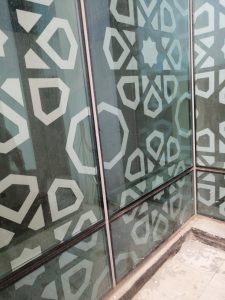
- High Initial Cost: The initial cost of unitised curtain walls can be higher than traditional systems due to the expenses associated with off-site manufacturing, transportation, and installation. However, the long-term benefits often outweigh this upfront cost, especially in larger projects.
- Transportation Challenges: Transporting pre-assembled unitised panels to the construction site can be logistically challenging, especially for projects located in congested urban areas or remote locations. Specialized equipment and planning are required to address these challenges effectively.
- Limited On-Site Customization: While unitised curtain walls offer design flexibility during the planning and manufacturing stages, on-site customization options are limited once the panels are delivered. Any modifications or changes required during installation can be complex and costly.
- Maintenance Complexity: Maintenance and repairs on unitised curtain walls may require specialized personnel and equipment, particularly for buildings with complex designs. Accessing individual units for maintenance purposes may pose challenges in taller structures.
- Structural Considerations: The increased weight of unitised curtain wall systems can impact the building’s overall structural design. Proper engineering and coordination are essential to ensure that the building can handle the additional loads imposed by the curtain wall.
Conclusion:
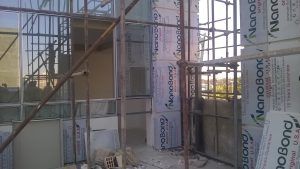
Despite the disadvantages, unitised curtain wall construction remains a popular choice for modern building projects, especially for large-scale commercial and high-rise structures. The advantages it offers in terms of efficiency, safety, and design possibilities often outweigh the challenges associated with its implementation.
To ensure the successful integration of unitised curtain walls in a project, collaboration between architects, engineers, manufacturers, and contractors is crucial. Early involvement of all stakeholders during the design phase can help address potential issues and optimize the benefits of this construction method.
Moreover, advancements in technology and manufacturing processes continue to improve unitised curtain wall systems, making them more cost-effective and easier to maintain. Innovations in glazing technologies, insulation materials, and installation techniques contribute to increased energy efficiency and sustainability, aligning with the growing emphasis on environmentally responsible building practices.
It is also important to note that while unitised curtain walls have their advantages, they are not a one-size-fits-all solution. The choice of construction method should consider various factors such as building design, location, project timeline, budget constraints, and specific functional requirements.
In the future, we can expect further developments in unitised curtain wall systems, aiming to address some of the current disadvantages. As the construction industry continues to push the boundaries of innovation, it is essential to remain open to emerging technologies and methodologies that may revolutionize the way we construct buildings.
In conclusion, unitised curtain wall construction offers substantial benefits in terms of speed, quality, energy efficiency, and design possibilities. However, it is essential to weigh these advantages against the potential challenges such as initial cost, transportation complexity, and limited on-site customization. By making informed decisions and adapting to technological advancements, the construction industry can continue to create sustainable and visually striking buildings using unitised curtain wall systems.

Leave A Comment