
Unitized cladding glass window system installation
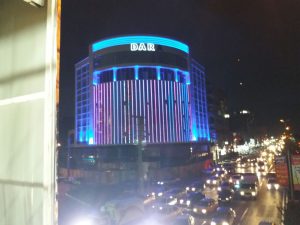
As architectural designs evolve to embrace modernity and sustainability, the use of glass in building facades has become increasingly popular. The unitized cladding glass window system has emerged as a frontrunner in this trend, revolutionizing the construction industry with its seamless integration, enhanced efficiency, and remarkable aesthetic appeal. In this article, we will explore the intricacies of the unitized cladding glass window system installation and its numerous advantages.
Understanding the Unitized Cladding Glass Window System:
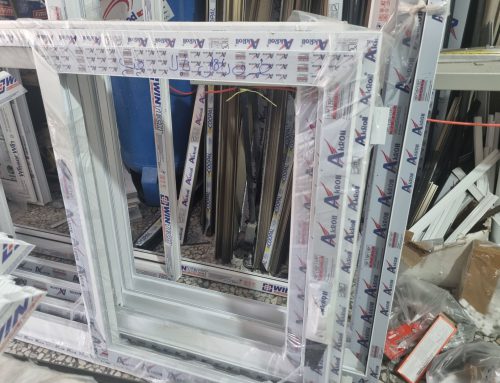
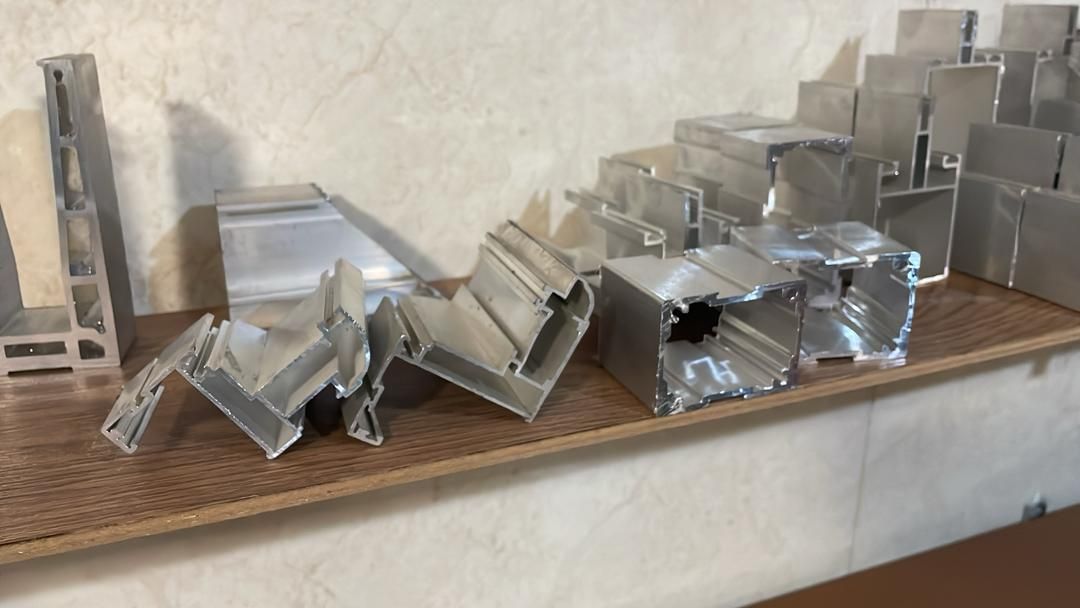
The unitized cladding glass window system is a contemporary approach to building facades that involves pre-fabricating glass panels off-site into individual units. Each unit consists of a frame, glass panel, and necessary accessories, such as gaskets, brackets, and weather seals. These units are assembled in a controlled factory environment, allowing for precise construction and quality control.
The key feature of the unitized system is that it is designed for rapid installation on-site. Once the building structure is ready, the unitized glass panels are transported to the site and directly attached to the building’s façade through a systematic installation process.
The Installation Process:

- Survey and Design: The installation process commences with an extensive survey of the building façade to determine the exact dimensions, structural requirements, and integration points for the unitized cladding system. Based on this survey, the design and engineering team creates detailed plans, specifying the exact layout of the glass panels and related components.
- Factory Fabrication: With the design finalized, the unitized glass panels are manufactured in a factory setting. Advanced machinery and skilled labor are employed to ensure accurate fabrication, including precise cutting, drilling, and bonding of the glass and frames.
- Logistics and Site Preparation: After thorough quality checks, the finished units are carefully packed and transported to the construction site. Meanwhile, the site is prepared to receive the glass panels, ensuring a clean and safe environment for installation.
- Erection of Units: The unitized glass panels are installed sequentially, starting from one corner of the building and progressing systematically across the façade. Each unit is lifted into place using cranes or other specialized equipment and then secured to the building’s substructure.
- Interconnection and Sealing: As the units are installed, they are interconnected using pre-designed connections and integrated with weatherproof seals and gaskets. This process ensures the entire cladding system acts as a unified and water-resistant barrier.
- Quality Assurance: Throughout the installation, quality assurance measures are rigorously followed to verify the correct installation of units, alignment, and the integrity of seals.
Advantages of Unitized Cladding Glass Window System Installation:

- Efficiency: The unitized installation process reduces construction time significantly. By employing pre-fabricated units, on-site labor requirements are minimized, and the need for scaffolding is reduced, accelerating the project timeline.
- Weather Independence: Since the units are fabricated off-site, the installation process is not heavily affected by weather conditions. This advantage allows for installation throughout the year, irrespective of weather fluctuations.
- Quality Control: Factory fabrication ensures consistent quality across all units, reducing the chances of on-site errors and ensuring a precise fit for each glass panel.
- Energy Efficiency: The unitized cladding glass window system often incorporates advanced glazing technology, which enhances the building’s energy efficiency by minimizing heat transfer and optimizing natural light.
- Aesthetics and Flexibility: The system offers architects and designers great creative freedom in terms of aesthetics. Unitized cladding glass window systems can be customized with various coatings, colors, and patterns to achieve the desired architectural appearance.
- Sustainability: The efficient installation process reduces waste generation on-site, while the energy-saving properties of the glass contribute to the building’s overall sustainability.
Challenges and Considerations:
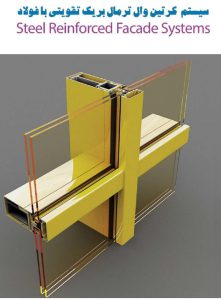
While the unitized cladding glass window system offers numerous advantages, its installation is not without challenges and considerations that must be addressed to ensure a successful project.
- Logistics and Transportation: Coordinating the transportation of large glass panels from the factory to the construction site requires meticulous planning. Careful handling during transit is essential to prevent any damage to the delicate units.
- Structural Integrity: Before installation, it is crucial to assess the building’s structural capacity to support the weight of the unitized glass panels. Proper anchoring and fixing methods must be employed to ensure the façade’s long-term stability and safety.
- Weatherproofing: While the system is designed to be weather-resistant, attention must be given to the installation of weather seals and gaskets. Proper weatherproofing prevents water infiltration and ensures the building’s longevity.
- Site Access: Ensuring smooth and safe on-site installation often requires careful planning of logistics and access routes. The availability of suitable lifting equipment and working space must be considered beforehand.
- Quality Assurance and Testing: Comprehensive testing of the unitized cladding glass window system is essential to verify its performance under various conditions. These tests include air infiltration, water penetration, structural integrity, and thermal performance assessments.
- Maintenance and Repairs: While the unitized system generally reduces maintenance requirements, access for cleaning and occasional repairs must be factored into the building’s design.
Industry Trends and Future Outlook:
The unitized cladding glass window system continues to gain popularity in the construction industry, and ongoing research and development are further enhancing its capabilities. Some notable trends and advancements in the field include:
- Smart Glass Integration: Incorporating smart glass technology allows for dynamic control of transparency, light transmission, and solar heat gain. This feature enhances energy efficiency and occupant comfort.
- Sustainable Materials: Manufacturers are exploring sustainable materials for unitized cladding systems, such as low-iron glass, recyclable framing materials, and energy-efficient coatings, contributing to green building practices.
- BIM Integration: Building Information Modeling (BIM) technology is increasingly utilized to streamline the design, fabrication, and installation processes, reducing errors and enhancing collaboration between stakeholders.
- Dynamic Architectural Designs: Advancements in glass technology and unitized systems are encouraging architects to push the boundaries of creativity and design, leading to stunning and innovative façades in modern buildings.
- Energy-Positive Façades: Research is underway to develop unitized cladding systems that can generate energy through integrated solar cells or other renewable energy technologies, further contributing to sustainable building practices.
Conclusion:
The unitized cladding glass window system installation represents a paradigm shift in modern building façade solutions. Its streamlined efficiency, aesthetic appeal, and sustainability make it an attractive choice for architects, developers, and building owners. However, successful implementation requires careful planning, rigorous quality control, and consideration of specific site conditions.
As technology continues to advance, we can expect further refinements in the unitized cladding glass window system, making it an even more integral part of cutting-edge architectural designs. With its potential to create visually striking buildings while reducing energy consumption, this system is poised to play a pivotal role in shaping the future of sustainable and aesthetically captivating urban landscapes.

Leave A Comment