
The flexibility of industrial aluminium wire
Introduction
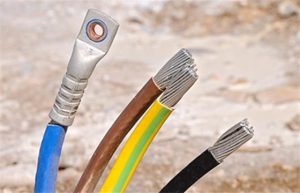
Industrial applications rely heavily on the performance of various materials, and one such material that has gained significant attention in recent years is aluminium wire. Aluminium wire is renowned for its versatility and is increasingly being adopted across industries for its remarkable flexibility. This article explores the flexibility of industrial aluminium wire and its diverse applications in various sectors.
Understanding Aluminium Wire
Aluminium wire is made from high-purity aluminium and is known for its lightweight, corrosion resistance, and excellent electrical conductivity. These properties alone make it an attractive material for various industrial applications. However, its flexibility stands out as one of its most valuable characteristics.
The Flexibility Advantage
- Bendability: Industrial aluminium wire is highly malleable and can be easily bent and formed into various shapes without compromising its structural integrity. This bendability is particularly useful in applications where wires need to be routed through tight spaces or around corners.
- Ease of Installation: The flexibility of aluminium wire simplifies the installation process. It can be easily maneuvered and routed, reducing installation time and labor costs.
- Reduced Stress on Connectors: The flexibility of aluminium wire also reduces stress on connectors and termination points. This is crucial in applications where wires need to endure repeated flexing or vibrations, such as in automotive wiring or robotics.
- Space Efficiency: In industrial settings where space is at a premium, the ability to bend and shape aluminium wire as needed allows for more compact and efficient layouts, saving valuable floor space.
Applications Across Industries
- Electrical Industry: Aluminium wire is widely used in electrical applications, including power distribution, transmission lines, and wiring harnesses. Its flexibility makes it ideal for routing wires through conduit systems and connecting various electrical components.
- Automotive Industry: In the automotive sector, aluminium wire is used for wiring harnesses and connections within vehicles. Its flexibility is essential for navigating through the complex and tight spaces found under the hood and inside the cabin.
- Aerospace: Aluminium wire is a popular choice in aerospace applications due to its lightweight nature and flexibility. It is used in aircraft wiring systems, where space constraints are critical, and the ability to withstand vibration and flexing is essential.
- Robotics and Automation: Industrial robots and automated machinery require flexible wiring solutions to enable precise movement. Aluminium wire’s flexibility ensures that these systems can operate smoothly without wiring restrictions.
- Renewable Energy: In solar and wind power applications, aluminium wire is employed for connecting solar panels and wind turbines to the electrical grid. Its flexibility helps manage the dynamic conditions experienced by these renewable energy systems.
Further Advancements in Aluminium Wire
As industries continue to evolve and demand higher performance from materials, research and development efforts in aluminium wire have not stood still. Engineers and scientists are constantly working on improving the flexibility and other key properties of aluminium wire. Some recent advancements include:
- Enhanced Alloy Formulations: Researchers have developed new aluminium alloy formulations that offer even greater flexibility while maintaining other essential properties like electrical conductivity and corrosion resistance. These alloys are finding applications in cutting-edge technologies.
- Nanostructured Aluminium Wires: Nanotechnology has enabled the creation of nanostructured aluminium wires with unprecedented flexibility. These ultra-thin wires are being explored for use in miniature electronics and medical devices.
- Composite Materials: Composite materials that incorporate aluminium wire have been developed to offer a balance between flexibility and strength. These composites are being used in applications where lightweight, flexible, and durable materials are required.
- Smart Wiring Solutions: In the era of the Internet of Things (IoT) and smart technology, aluminium wire is being integrated into wiring solutions that offer not only flexibility but also data transmission capabilities. This is essential for creating interconnected and efficient systems.
Challenges and Considerations
While the flexibility of industrial aluminium wire offers numerous advantages, it is essential to acknowledge some challenges and considerations associated with its use:
- Material Costs: Aluminium wire can be more expensive than copper wire, which is a widely used alternative. However, the long-term benefits of reduced installation costs, lightweight structures, and corrosion resistance often outweigh the initial material costs.
- Ampacity: Aluminium wire has a slightly lower ampacity (current-carrying capacity) compared to copper wire of the same size. Engineers need to carefully consider the wire size and design to ensure it can handle the required electrical load safely.
- Connection Methods: Due to aluminium’s unique properties, special connectors and termination methods are needed to ensure reliable connections. Proper installation techniques, including the use of antioxidant compounds, are essential to mitigate potential issues like oxidation and loosening over time.
- Aluminium Wire Size Selection: Selecting the appropriate size of aluminium wire is crucial to meet electrical requirements without overloading the wire. This involves considering factors such as voltage drop and ambient temperature conditions.
- Compatibility: In certain cases, aluminium wire may not be compatible with existing copper-based systems. Compatibility issues can be addressed with the use of approved connectors and transition methods.
- Maintenance: Regular maintenance and inspection of aluminium wire connections are vital to ensure continued performance. This includes periodic checks for signs of oxidation or loose connections, especially in environments with high humidity or corrosive conditions.
Conclusion: The Future of Industrial Aluminium Wire
The flexibility of industrial aluminium wire has positioned it as a valuable and adaptable material across a broad spectrum of industries. Its ability to navigate tight spaces, reduce installation time, and withstand various environmental conditions makes it a material of choice for numerous applications.
As technology advances, aluminium wire will likely continue to play a pivotal role in innovations across industries, from aerospace and automotive to renewable energy and smart technology. Researchers will keep pushing the boundaries to further enhance its flexibility and other key properties, making it an even more versatile solution.
The challenges associated with aluminium wire can be effectively addressed through proper design, installation, and maintenance practices. As industries become increasingly focused on sustainability, energy efficiency, and lightweight solutions, the future of industrial aluminium wire appears promising, cementing its status as a key enabler of technological progress and innovation.





Leave A Comment