
Aluminum profiles for nuclear technology

Introduction
Nuclear technology plays a crucial role in various sectors, from energy generation to medical applications and scientific research. In the complex world of nuclear technology, safety, precision, and durability are paramount. One often-overlooked component that contributes significantly to the success of nuclear applications is aluminum profiles. These lightweight yet robust structures serve a multitude of functions, from shielding and support to containment and instrumentation. In this article, we will explore the role of aluminum profiles in nuclear technology and their importance in ensuring the safety and efficiency of these critical applications.
The Versatility of Aluminum Profiles
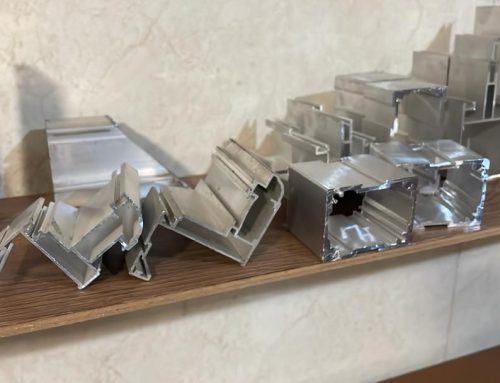
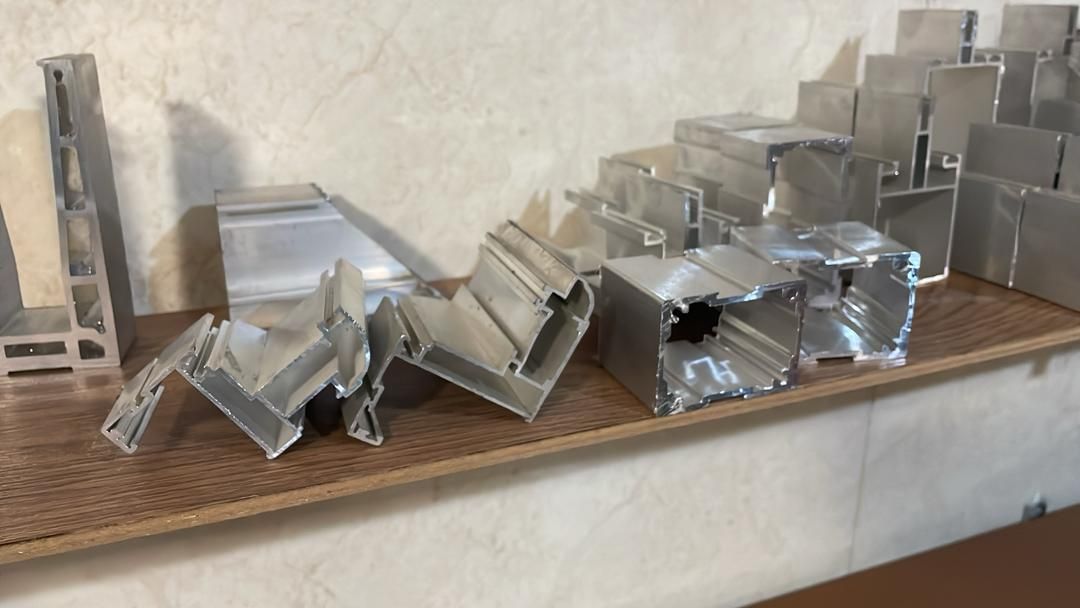
Aluminum profiles are versatile building materials made from aluminum alloys, offering several advantages for nuclear technology applications:
- Lightweight yet Strong: Aluminum is inherently lightweight, making it an ideal material for constructing various components of nuclear technology. Despite its lightness, aluminum profiles are exceptionally strong and can withstand significant loads, which is crucial in the nuclear field where structural integrity is paramount.
- Corrosion Resistance: Aluminum is naturally corrosion-resistant, making it a reliable choice for nuclear applications, especially in environments where exposure to radiation and corrosive agents is prevalent. This characteristic ensures the longevity of components and reduces maintenance costs.
- Thermal Conductivity: Aluminum is an excellent conductor of heat, which is beneficial in nuclear reactors where temperature control is vital. It helps dissipate heat efficiently, preventing overheating and potential damage to sensitive equipment.
- Machinability: Aluminum is easy to machine and shape, allowing for the creation of custom profiles tailored to specific nuclear technology requirements. This versatility is especially important when constructing components like radiation shields, containment structures, and instrumentation mounts.
Applications of Aluminum Profiles in Nuclear Technology
- Radiation Shielding: Radiation shielding is a fundamental aspect of nuclear technology. Aluminum profiles are often used to create robust barriers that protect personnel and sensitive equipment from harmful radiation. Their lightweight nature makes them easy to handle and position, while their strength ensures the necessary protection.
- Containment Structures: Aluminum profiles are integral in the construction of containment structures within nuclear reactors. These structures must be both robust and able to withstand extreme conditions. Aluminum profiles excel in this regard, providing a strong and reliable framework for containment vessels.
- Instrumentation Mounts: Precise measurement and control are critical in nuclear technology. Aluminum profiles are frequently employed to create stable and adjustable mounts for various instruments and sensors, ensuring accurate data collection and control.
- Access and Maintenance: Aluminum profiles are used to design access platforms and maintenance structures within nuclear facilities. These structures allow personnel to access critical components safely and perform maintenance tasks efficiently, contributing to the overall safety and efficiency of the facility.
Challenges and Future Developments
While aluminum profiles have proven their worth in nuclear technology, there are ongoing challenges and future developments in this field. As nuclear technology advances, the demand for even more specialized aluminum profiles may arise. These profiles may need to be tailored to withstand higher levels of radiation or extreme temperatures, pushing the boundaries of material science and engineering.
Moreover, the drive towards sustainability and reduced waste in the nuclear industry may lead to innovations in the design and recycling of aluminum profiles. The ability to reuse and recycle these materials can significantly reduce the environmental impact of nuclear technology.
Safety and Regulatory Compliance
Safety is of utmost importance in nuclear technology. The use of aluminum profiles must adhere to strict regulatory standards to ensure the protection of both personnel and the environment. Ensuring compliance with these standards is crucial, and rigorous testing and quality control processes are essential to guarantee the reliability of aluminum components in nuclear applications.
The Global Impact of Aluminum Profiles in Nuclear Technology
Aluminum profiles are not just a local or regional component; their significance reverberates on a global scale. The nuclear industry, including power generation, scientific research, and medical applications, is an essential contributor to global progress. As nations strive to meet their energy demands, conduct groundbreaking scientific experiments, and enhance medical diagnostic and treatment capabilities, aluminum profiles play a pivotal role in ensuring these ambitions are achieved safely and efficiently.
- Clean Energy Production: Nuclear energy is a vital part of the global effort to reduce carbon emissions and combat climate change. Aluminum profiles contribute to the construction of nuclear reactors, ensuring their safety and longevity. As nations seek to transition to more sustainable energy sources, aluminum profiles will continue to be instrumental in the construction of new nuclear power plants and the maintenance of existing ones.
- Scientific Discovery: Nuclear research facilities are at the forefront of scientific discovery, probing the fundamental nature of matter and the universe itself. Experiments conducted in these facilities often rely on precise instrumentation and shielding. Aluminum profiles facilitate the construction of these instruments, enabling scientists to unlock the mysteries of the cosmos and advance human knowledge.
- Medical Advances: Nuclear technology is integral to medical diagnostics and treatments, including radiation therapy and diagnostic imaging. The use of aluminum profiles in medical equipment ensures the accuracy and safety of these procedures. The ongoing development of medical applications for nuclear technology will continue to drive the demand for specialized aluminum profiles tailored to the healthcare sector.
- International Collaboration: The nuclear industry is a global endeavor, with nations collaborating on research, safety standards, and technology development. Aluminum profiles are a universal resource, facilitating the construction of nuclear facilities worldwide. This international collaboration strengthens the bonds between nations, fostering peaceful cooperation in the pursuit of scientific and energy goals.
Conclusion
Aluminum profiles are indispensable in the field of nuclear technology. Their unique combination of lightweight properties, strength, corrosion resistance, and thermal conductivity makes them an ideal choice for various critical applications within the nuclear industry. From shielding and containment to instrumentation and maintenance structures, aluminum profiles contribute significantly to the safety and efficiency of nuclear facilities.
As the nuclear industry continues to evolve and adapt to meet the world’s energy and scientific needs, the importance of aluminum profiles is likely to grow. Advances in materials science and engineering will further enhance the capabilities of aluminum profiles in nuclear technology, contributing to the development of cleaner energy, groundbreaking scientific discoveries, and improved medical applications.
In conclusion, while aluminum profiles may often go unnoticed, they are the unsung heroes of nuclear technology, playing a vital role in ensuring the continued success and safety of this complex and critical field. Their versatility and reliability make them an essential component in the intricate puzzle of nuclear technology, where precision and durability are key to success.





Leave A Comment