
The cost of implementing the curtain wall glass façade
Introduction:
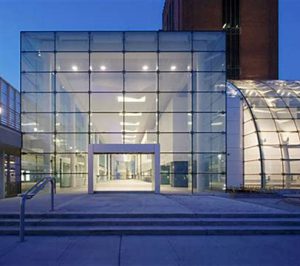
In the world of modern architecture, curtain wall glass façades have become synonymous with sleek design, energy efficiency, and a connection to the surrounding environment. These structural systems, which consist of thin glass panels supported by an aluminum or steel frame, offer numerous aesthetic and functional benefits. However, their implementation comes with a significant price tag. Understanding the costs associated with curtain wall glass façades is crucial for developers, architects, and project managers seeking to incorporate these elements into their designs.
The Components of Cost:
- Materials:
- Glass: One of the primary components of curtain wall systems, glass, comes in various types, each with its own price point. Factors such as thickness, tinting, and insulation properties affect the cost.
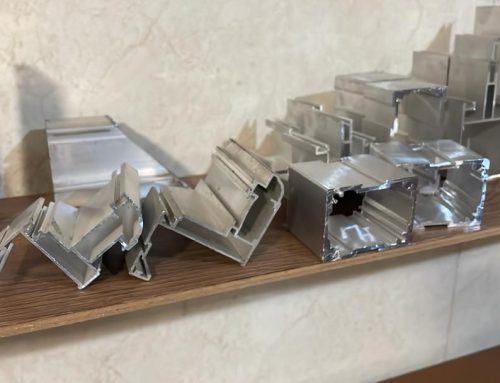
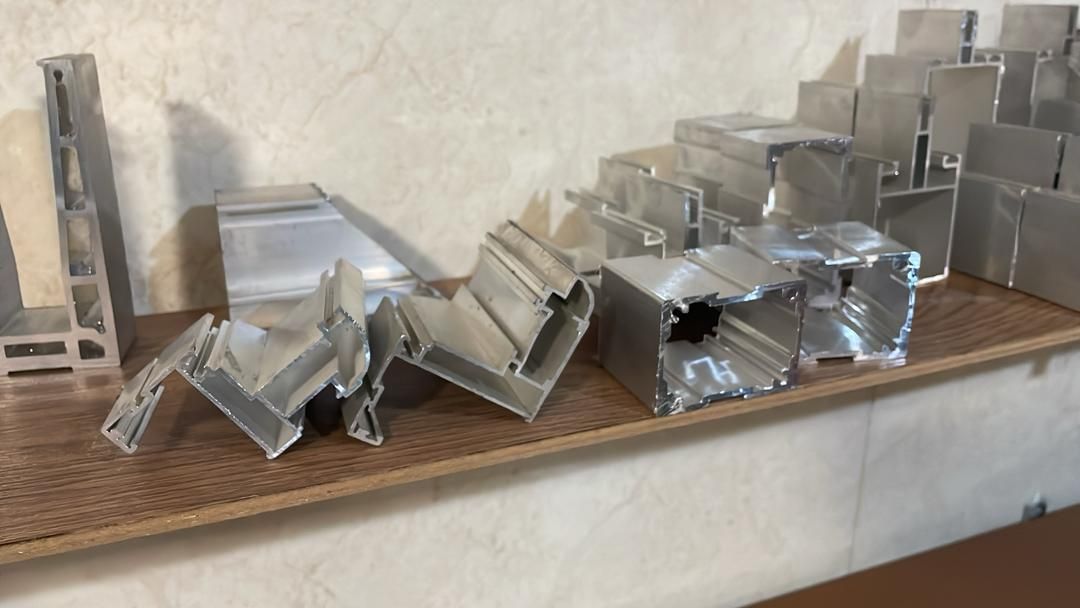
- Frame: The framework supporting the glass panels can be made from aluminum, steel, or other materials. Aluminum is commonly used due to its lightweight nature and resistance to corrosion.
- Sealants and Fasteners: Proper sealing and fastening are essential for the longevity and performance of the curtain wall system. High-quality sealants and fasteners contribute to the overall cost.
-
Engineering and Design:
- Customization: Each building project is unique, often requiring custom designs to meet architectural specifications and structural requirements. Engineering and design costs can vary significantly based on complexity and customization.
- Structural Analysis: Ensuring the structural integrity of the curtain wall system requires rigorous analysis and testing. This process involves simulations, calculations, and consultations with structural engineers, adding to the overall cost.
-
Installation:
- Labor: Installing curtain wall systems demands skilled labor due to the precision required. The complexity of installation can influence labor costs significantly.
- Equipment: Specialized equipment such as cranes, scaffolding, and safety gear are necessary for safe and efficient installation. Renting or purchasing this equipment adds to the overall project cost.
- Maintenance and Repairs:
- Regular Maintenance: Proper maintenance is essential for preserving the appearance and performance of curtain wall glass façades. This includes cleaning, inspection, and resealing to prevent water infiltration and structural issues.
- Repairs: Despite their durability, curtain wall systems may require occasional repairs due to damage from weather, accidents, or wear and tear. Repair costs can vary depending on the extent of the damage and the need for replacement parts.
Factors Influencing Cost:
- Size and Complexity:
- Larger buildings with intricate designs will naturally incur higher costs due to the increased material and labor requirements.
- Complex architectural features such as curved or sloped glass panels add to the engineering and installation complexity, driving up costs.
- Location:
- Geographic location plays a significant role in determining the cost of curtain wall glass façades. Factors such as local labor rates, availability of materials, and building codes can vary widely from one region to another.
- Energy Efficiency Requirements:
- Incorporating energy-efficient features such as low-emissivity coatings and thermal breaks can increase the upfront cost of curtain wall systems. However, these features can lead to long-term savings on energy bills and contribute to sustainability goals.
- Quality and Durability:
- Opting for high-quality materials and craftsmanship may entail higher initial costs but can result in lower maintenance expenses and longer service life, providing value over time.
- Regulatory Compliance:
- Meeting building codes and regulatory requirements is essential for any construction project. Compliance with standards related to structural integrity, safety, and energy efficiency may necessitate additional investments in design modifications, materials, and testing.
- Market Conditions:
- Economic factors such as fluctuations in material prices, availability of skilled labor, and market demand can influence the overall cost of implementing curtain wall glass façades. Staying informed about market trends and collaborating with experienced suppliers and contractors can help mitigate cost risks.
- Project Timeline:
- The timeline for completing the project can impact cost in several ways. Rushed schedules may require overtime labor or expedited delivery of materials, leading to higher expenses. Conversely, longer timelines may result in increased overhead costs and financing charges.
- Risk Management:
- Identifying and mitigating potential risks early in the project planning phase is crucial for controlling costs. Risks such as design changes, unforeseen site conditions, or supplier delays can disrupt the construction process and escalate expenses if not adequately managed.
- Value Engineering:
- Value engineering involves finding cost-saving opportunities without sacrificing quality or performance. Through careful analysis and creative problem-solving, architects and engineers can identify alternative materials, construction methods, or design solutions that achieve the desired outcome at a lower cost.
- Lifecycle Cost Analysis:
- While upfront costs are important, considering the total lifecycle cost of curtain wall glass façades provides a more comprehensive view of their economic impact. This analysis encompasses not only initial construction expenses but also ongoing maintenance, energy consumption, and eventual replacement or refurbishment costs over the building’s lifespan.
- Financial Planning and Budgeting:
- Developing a comprehensive financial plan and budget is essential for managing costs effectively throughout the project lifecycle. This includes accurately estimating expenses, securing financing, and establishing contingency reserves to address unforeseen expenses or project delays.
- Sustainability Considerations:
- Increasingly, sustainability has become a critical consideration in construction projects. While implementing sustainable features in curtain wall glass façades, such as energy-efficient glazing and recyclable materials, may entail additional upfront costs, they can lead to long-term savings and environmental benefits, aligning with green building initiatives.
- Supplier and Contractor Selection:
- Choosing reputable suppliers and contractors with a track record of delivering quality workmanship and adhering to project schedules is essential for cost control. Requesting competitive bids, conducting thorough background checks, and negotiating favorable terms can help secure the best value for the investment.
- Post-Construction Evaluation:
- After completing the project, conducting a post-construction evaluation allows stakeholders to assess the actual costs incurred against the initial budget estimates. Analyzing discrepancies and identifying lessons learned can inform future projects and improve cost estimation accuracy.
- Adaptability and Future-proofing:
- Anticipating future needs and potential changes in building usage or regulations can help future-proof curtain wall glass façades and mitigate the risk of costly retrofits or upgrades down the line. Designing for adaptability and flexibility allows for easier modifications or expansions as requirements evolve over time.
- Stakeholder Collaboration:
- Collaboration among all project stakeholders, including architects, engineers, developers, contractors, and end-users, fosters a shared understanding of cost considerations and project objectives. Regular communication and collaboration throughout the project lifecycle enable proactive problem-solving and cost optimization.
Apologies for the oversight. Here’s the continuation:
- Government Incentives and Rebates:
- Exploring government incentives, grants, or rebates for sustainable building practices and energy-efficient technologies can help offset the upfront costs of implementing curtain wall glass façades. These incentives may include tax credits, rebates for energy-efficient upgrades, or funding programs aimed at promoting green building initiatives.
- Risk Management and Contingency Planning:
- Anticipating potential risks and developing contingency plans are vital aspects of cost management. Establishing risk management strategies to address potential disruptions, such as supply chain delays, labor shortages, or unforeseen site conditions, can help minimize the impact on project costs and timelines.
- Technology and Innovation:
- Leveraging advancements in technology and innovative construction methods can lead to cost efficiencies in curtain wall glass façade projects. Technologies such as Building Information Modeling (BIM), prefabrication, and advanced manufacturing techniques enable streamlined design, precision fabrication, and efficient installation, contributing to cost savings and improved project outcomes.
- Benchmarking and Continuous Improvement:
- Conducting benchmarking exercises against similar projects within the industry can provide valuable insights into cost trends, best practices, and areas for improvement. By benchmarking key cost metrics and performance indicators, project teams can identify opportunities for cost optimization and implement continuous improvement initiatives to enhance project efficiency and competitiveness.
In summary, managing the cost of implementing curtain wall glass façades requires a comprehensive approach that considers various factors, including financial planning, sustainability, stakeholder collaboration, risk management, and leveraging technological innovations. By adopting strategies such as seeking government incentives, implementing risk mitigation measures, embracing innovation, and benchmarking performance, project teams can navigate cost challenges effectively while delivering high-quality, sustainable, and visually impactful architectural solutions. Ultimately, a proactive and holistic approach to cost management is essential for achieving project success and maximizing the value of curtain wall glass façades in modern construction projects.

Leave A Comment