
Application and benefits of using curtain wall profile
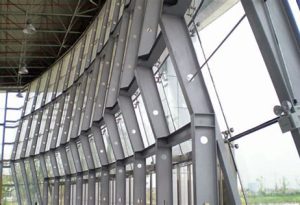
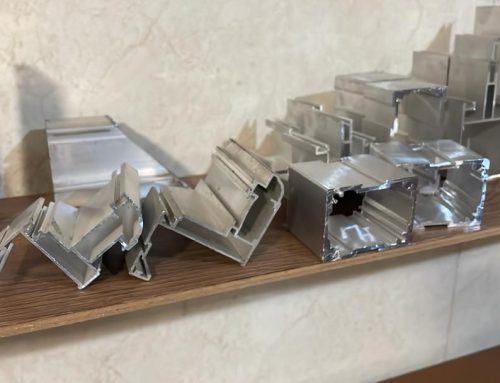
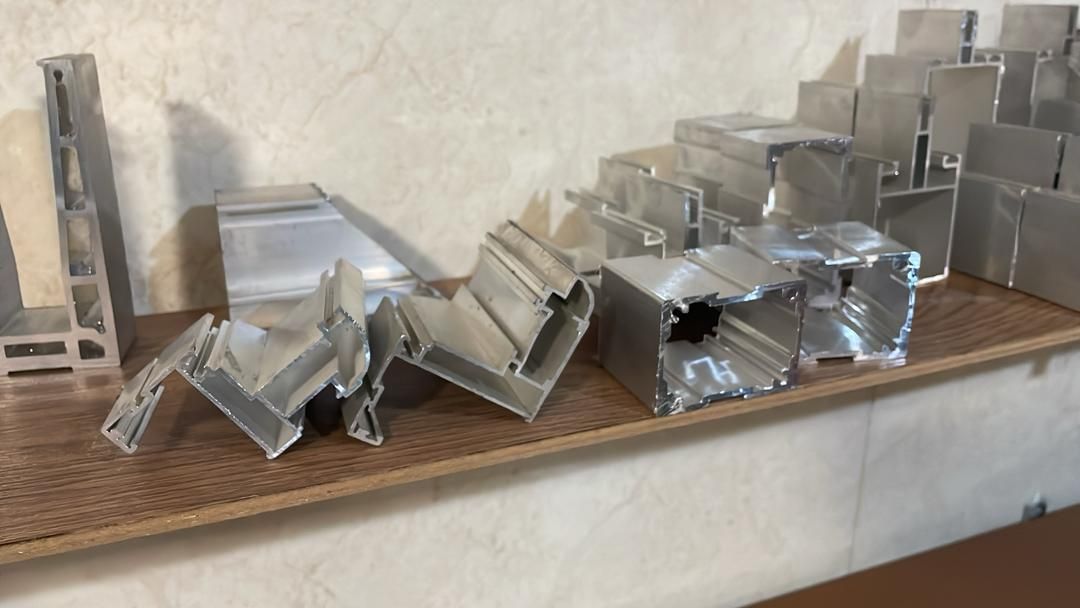
Application and benefits of using curtain wall profile ,In the realm of modern architecture, the curtain wall stands as a testament to both functionality and aesthetic appeal. A curtain wall system refers to the non-structural outer covering of a building, typically made of lightweight materials such as glass, metal, or composite panels, which are supported by the building’s structure or frame. Crucial to the integrity and efficiency of curtain wall systems are the profiles – the specialized extrusions that form the framework and support for the panels. Let’s delve into the application and benefits of curtain wall profiles in contemporary architecture.
Application:
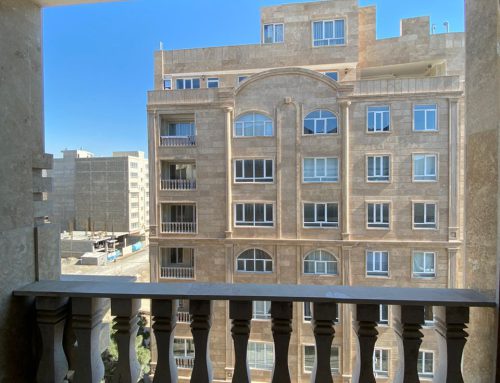
1. Commercial Buildings: Curtain wall profiles find extensive application in commercial structures such as office buildings, shopping malls, and hotels. Their sleek and modern appearance enhances the overall aesthetic appeal of these buildings while providing ample natural light to interior spaces.
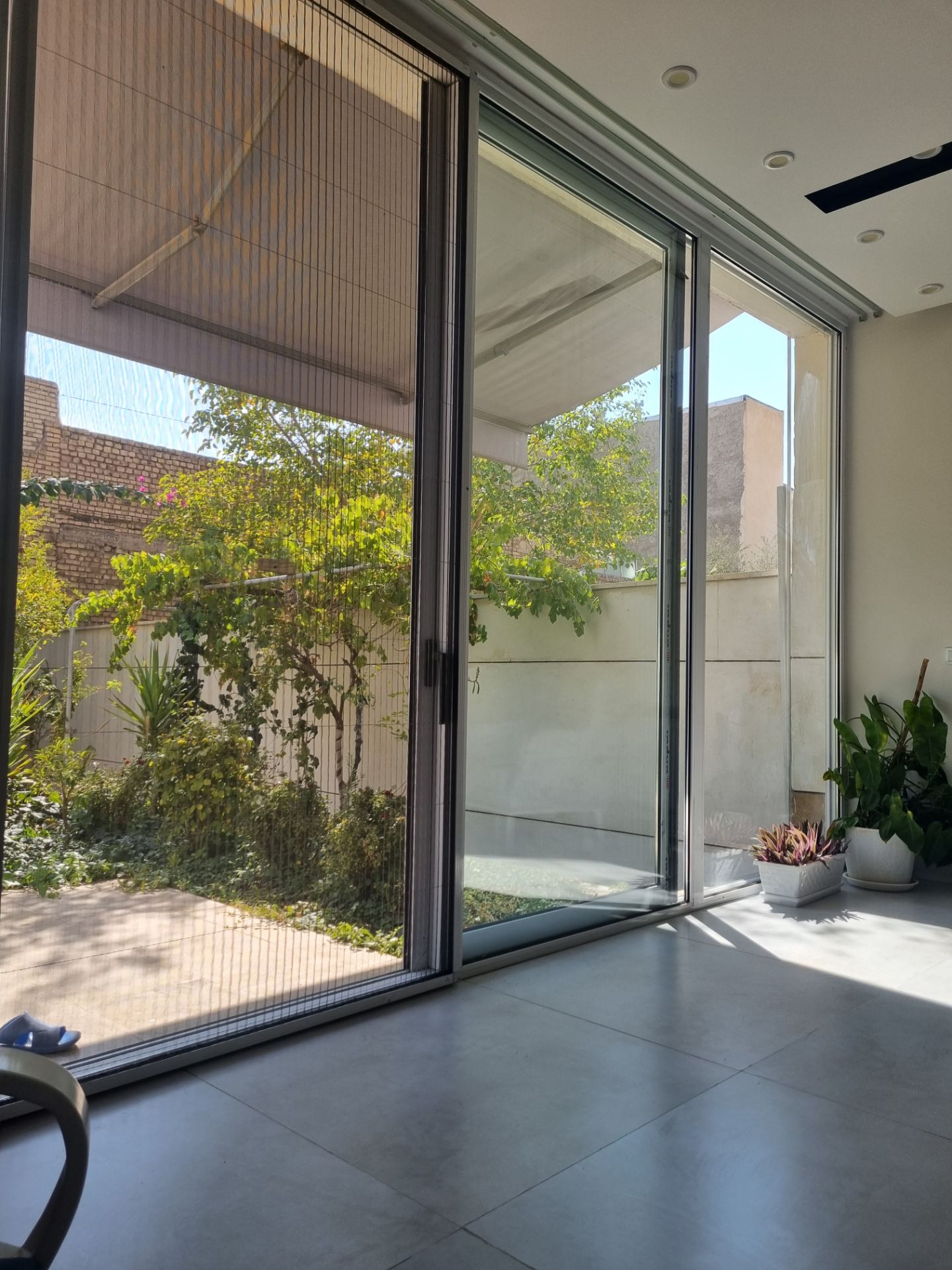
2. Residential Complexes: Increasingly, curtain wall systems are being employed in high-end residential complexes. These systems offer panoramic views, energy efficiency, and noise reduction, thereby enhancing the living experience of residents.
3. Institutional Buildings: Curtain walls are also prevalent in institutional buildings like universities, hospitals, and government facilities. They provide an inviting and open ambiance conducive to learning, healing, or public service.
4. Cultural Centers: Museums, galleries, and performance venues often utilize curtain wall profiles to create visually striking facades that complement the artistic or cultural significance of the space. The transparency of these systems can be particularly effective in showcasing exhibits or attracting visitors.
5. Sports Arenas: Large sports arenas and stadiums frequently incorporate curtain walls to create an expansive and dynamic exterior. These systems contribute to the overall grandeur of the structure while allowing for natural ventilation and daylighting.
Benefits:
1. Thermal Performance: Curtain wall profiles can be designed with thermal breaks and high-performance insulation to enhance energy efficiency. This helps in minimizing heat loss during colder months and reducing heat gain in warmer climates, leading to lower heating and cooling costs.
2. Daylighting: The transparency of curtain wall systems allows for ample natural light penetration into interior spaces, reducing the need for artificial lighting during the day. This not only reduces energy consumption but also creates a more pleasant and productive environment for occupants.
3. Versatility in Design: Curtain wall profiles offer architects and designers immense flexibility in terms of aesthetics and customization. They can be tailored to suit various architectural styles, accommodate complex geometries, and incorporate decorative elements such as mullions, fins, or integrated sunshades.
4. Structural Integrity: Despite their lightweight construction, curtain wall profiles are engineered to provide robust structural support to the building envelope. Advanced materials and fabrication techniques ensure that these systems can withstand wind loads, seismic activity, and other environmental stresses.
5. Acoustic Control: In addition to thermal insulation, curtain wall profiles can also contribute to sound insulation, reducing exterior noise transmission into interior spaces. This is particularly advantageous in urban environments or near transportation hubs where noise pollution is a concern.
6. Sustainable Solutions: Many curtain wall systems are designed with sustainability in mind, utilizing recyclable materials, incorporating renewable energy technologies, and optimizing passive design strategies. By promoting energy efficiency and indoor environmental quality, these systems contribute to green building initiatives and LEED certification.
Challenges and Innovations:
Despite their numerous advantages, curtain wall systems also present certain challenges, such as maintenance requirements, potential for water infiltration, and susceptibility to damage from extreme weather conditions. However, ongoing advancements in materials science, fabrication techniques, and installation methods are addressing these concerns.
For instance, the development of self-cleaning coatings and anti-reflective glass helps mitigate maintenance issues associated with dirt accumulation and glare. Innovative sealant technologies and improved waterproofing systems enhance the resilience of curtain walls against water ingress, ensuring long-term durability.
Moreover, the integration of smart technologies into curtain wall systems is revolutionizing their functionality and performance. Sensor-equipped facades can dynamically adjust shading, ventilation, and lighting levels based on environmental conditions, occupancy patterns, and user preferences. This not only optimizes energy efficiency but also enhances occupant comfort and well-being.
Furthermore, the rise of Building Information Modeling (BIM) and parametric design tools enables architects and engineers to seamlessly integrate curtain wall systems into the overall building design process. This holistic approach facilitates collaboration, streamlines construction workflows, and enables more accurate performance simulations, ultimately resulting in better-performing and more sustainable buildings.
Future Trends:
Looking ahead, several emerging trends are poised to shape the future of curtain wall technology. These include:
- Biophilic Design Integration: Incorporating elements of nature into curtain wall systems, such as green walls, living facades, and biomimetic designs, to enhance occupant connection to the natural environment and promote health and well-being.
- Adaptive Facades: Implementing responsive facades that can dynamically adjust their properties, such as transparency, insulation, and ventilation, in response to changing environmental conditions, user preferences, and building occupancy.
- Multifunctional Materials: Utilizing advanced materials with multifunctional properties, such as self-healing coatings, photovoltaic-integrated glass, and phase-change materials, to enhance the performance and versatility of curtain wall systems.
- Digital Fabrication: Leveraging digital fabrication techniques, such as 3D printing, robotic assembly, and parametric modeling, to create complex and customizable curtain wall components with greater precision, efficiency, and scalability.
- Circular Economy Practices: Embracing principles of the circular economy, such as material reuse, recycling, and resource optimization, to minimize waste, reduce environmental impact, and promote sustainable lifecycle management of curtain wall systems.
Case Studies:
Examining real-world applications of curtain wall profiles can provide insight into their effectiveness and versatility. Let’s explore two notable case studies:
- The Shard, London, UK: As one of the most iconic skyscrapers in London, The Shard features a distinctive curtain wall facade that spans its 95 stories. The building’s tapering form is clad in a unitized curtain wall system, comprising low-iron glass panels supported by aluminum mullions and stainless steel brackets. This innovative design maximizes natural daylight penetration while minimizing solar heat gain, contributing to the building’s energy efficiency and occupant comfort. The Shard’s curtain wall showcases the potential of advanced glazing technologies and precision engineering in creating visually striking yet functional building envelopes.
- Apple Park, Cupertino, California, USA: The headquarters of tech giant Apple, Apple Park, boasts a cutting-edge curtain wall system that encircles its circular main building. Designed in collaboration with renowned architect Norman Foster, the campus features the largest curved glass panels in the world, seamlessly integrated into a custom-engineered curtain wall structure. This system provides panoramic views of the surrounding landscape while maintaining thermal comfort and acoustic insulation. The innovative use of glass in Apple Park’s curtain wall underscores the role of advanced materials and fabrication techniques in pushing the boundaries of architectural design.
Challenges and Considerations:
While curtain wall profiles offer numerous benefits, they also come with challenges and considerations that architects, engineers, and developers must address:
- Cost: Curtain wall systems can be expensive to design, fabricate, and install compared to traditional building facades. However, their long-term benefits in terms of energy savings, durability, and aesthetic appeal often justify the initial investment.
- Maintenance: Proper maintenance is crucial to ensure the performance and longevity of curtain wall systems. Regular inspections, cleaning, and repairs are necessary to prevent issues such as water leakage, sealant degradation, and glass damage.
- Durability: Curtain wall profiles must withstand various environmental factors, including wind, rain, temperature fluctuations, and seismic activity. Selecting durable materials, robust detailing, and rigorous quality control measures are essential to ensure the longevity and resilience of these systems.
- Compatibility: Curtain wall profiles must be compatible with other building components and systems, such as structural framing, HVAC, and electrical systems. Coordination between trades during the design and construction phases is critical to avoid conflicts and ensure seamless integration.
- Regulatory Compliance: Building codes, standards, and regulations govern the design, fabrication, and installation of curtain wall systems to ensure safety, performance, and environmental sustainability. Compliance with these requirements is essential to obtain permits and approvals for construction projects.
Innovations and Future Directions:
Despite these challenges, ongoing innovations in curtain wall technology continue to drive advancements in performance, sustainability, and aesthetics:
- Advanced Materials: The development of novel materials, such as ultra-high-performance concrete, carbon fiber composites, and bio-based polymers, offers opportunities to enhance the strength, durability, and sustainability of curtain wall profiles.
- Digital Design Tools: Building Information Modeling (BIM), computational design software, and parametric modeling tools enable architects and engineers to optimize the performance and efficiency of curtain wall systems through iterative analysis, simulation, and optimization.
- Integrated Systems: The integration of curtain wall systems with other building systems, such as HVAC, lighting, and renewable energy, enables holistic design solutions that maximize energy efficiency, occupant comfort, and environmental performance.
- Prefabrication and Modular Construction: Off-site fabrication and modular construction techniques streamline the manufacturing and assembly of curtain wall components, reducing costs, lead times, and waste while improving quality control and construction efficiency.
- Smart Technologies: The incorporation of sensors, actuators, and adaptive controls into curtain wall systems enables real-time monitoring, optimization, and responsive operation based on environmental conditions, occupant behavior, and building performance metrics.
Conclusion:
In conclusion, curtain wall profiles represent a critical element of contemporary architecture, offering a blend of functionality, aesthetics, and sustainability. Despite challenges such as cost, maintenance, and regulatory compliance, ongoing innovations in materials, design tools, and construction techniques continue to push the boundaries of what is possible with curtain wall technology. As the built environment evolves to address the challenges of climate change, urbanization, and resource scarcity, curtain wall systems will play an increasingly vital role in shaping resilient, sustainable, and visually captivating buildings for generations to come, Application and benefits of using curtain wall profile , Application and benefits of using curtain wall profile.

Leave A Comment