
The Art of Profile Painting through Anodizing: A Modern Marvel
Introduction
The Art of Profile Painting through Anodizing: A Modern Marvel , Art has been a fundamental expression of human creativity for millennia. Throughout history, various techniques and mediums have been explored to create breathtaking works of art. In the modern age, artists and craftsmen are constantly pushing the boundaries of traditional methods, and one such innovation is profile painting through anodizing. This technique combines the world of metallurgy and aesthetics, resulting in stunning, durable, and vibrant creations that redefine traditional artwork.
What is Anodizing?
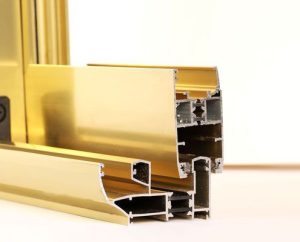
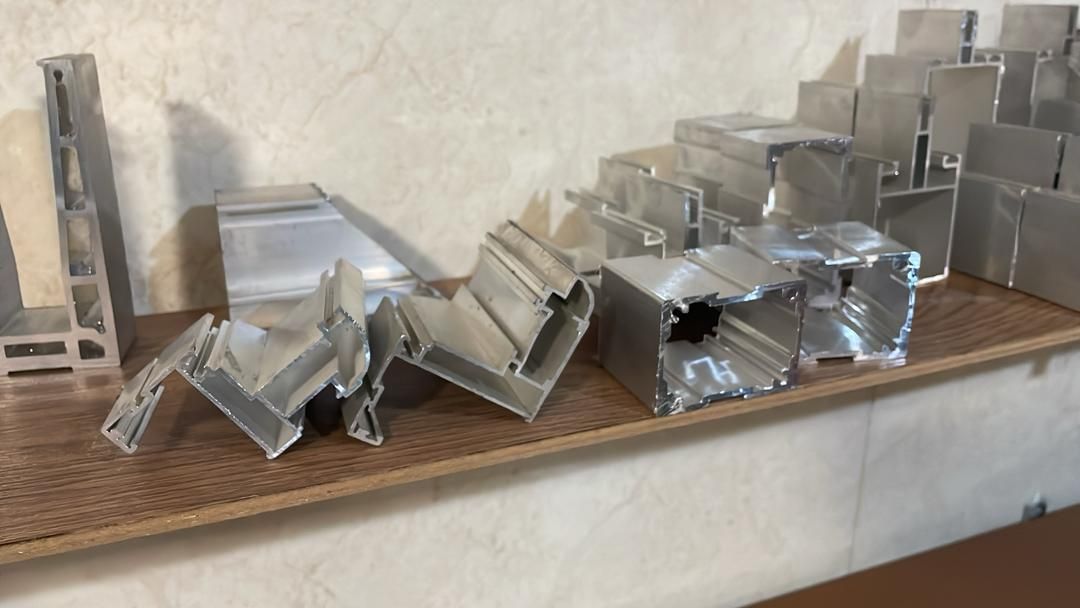
Anodizing is an electrochemical process that enhances the corrosion resistance and durability of metal surfaces while providing an opportunity for artistic expression. It primarily involves the formation of an oxide layer on the surface of metals, most commonly aluminum. This layer not only protects the metal but also serves as a canvas for various artistic applications, turning everyday items into works of art.
The Anodizing Process
Anodizing begins with the selection of a suitable base metal, such as aluminum. The metal is first cleaned to remove any impurities. It is then submerged in an electrolytic bath, typically containing sulfuric acid. An electrical current is applied, which stimulates the oxidation process, allowing the oxide layer to form on the metal’s surface. This oxide layer is porous and can absorb dyes, leading to the creation of vibrant, long-lasting colors.
Profile Painting through Anodizing
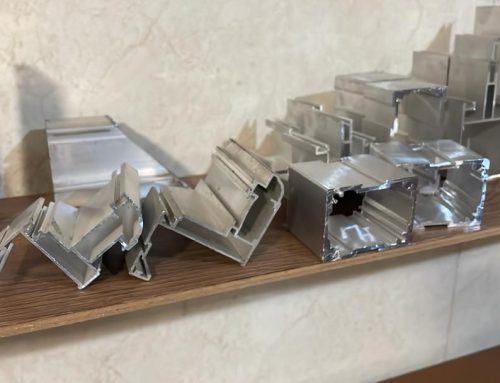
Profile painting through anodizing takes the basic process of anodization and adds a layer of artistic ingenuity. The term “profile” in this context refers to the shape, design, or pattern on the metal surface, rather than a traditional painting on canvas. This innovative approach allows for customization and personalization of various metal products, from architectural panels and automotive parts to jewelry and consumer electronics.
Artists, designers, and engineers collaborate to determine the final design. The desired pattern is etched into the metal’s surface, creating a visually appealing profile. Once the profile is complete, the anodizing process begins. The metal is immersed in the electrolytic bath, and the oxide layer forms over the etched design. At this stage, the oxide layer’s porous nature comes into play, allowing dyes to be absorbed into the surface. This results in vibrant, durable colors that can be manipulated to achieve the artist’s vision.
Advantages of Profile Painting through Anodizing
- Durability: Anodized surfaces are exceptionally resilient, making them perfect for both indoor and outdoor applications. They are resistant to corrosion, UV exposure, and wear and tear, ensuring that the artwork maintains its beauty over time.
- Vibrant Colors: The anodizing process allows for the creation of vivid and long-lasting colors, making it possible to achieve intricate and eye-catching designs.
- Customization: Profile painting through anodizing offers a high degree of customization, allowing artists and designers to bring their unique visions to life. The process can be adapted for various industries and applications.
- Sustainability: Anodizing is an environmentally friendly process, as it produces minimal waste and doesn’t involve toxic materials.
- Versatility: This technique can be applied to a wide range of materials, including aluminum, titanium, and magnesium, expanding its potential applications.
Applications of Profile Painting through Anodizing
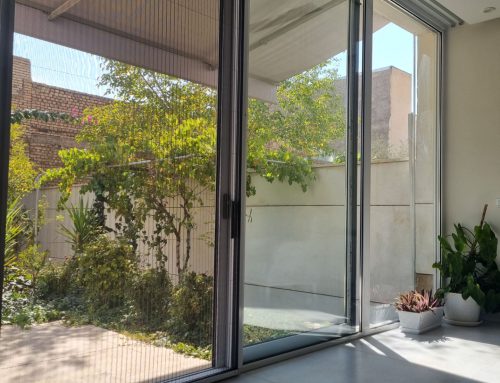
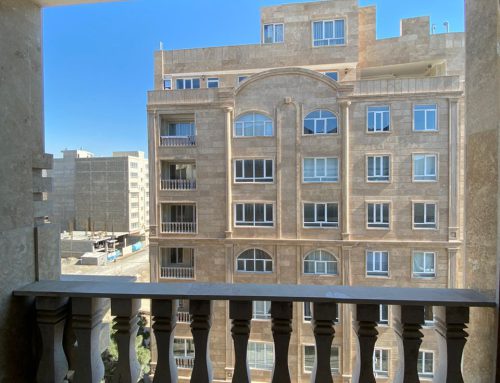
- Architecture: Anodized aluminum panels can be used to create stunning façades, decorative elements, and interior designs in modern buildings.
- Automotive Industry: Anodized aluminum and other metals can be used to enhance the aesthetic appeal of vehicle exteriors and interiors.
- Jewelry: Customized anodized jewelry items, such as rings and pendants, are gaining popularity for their unique and enduring beauty.
- Consumer Electronics: Anodizing allows for the personalization of smartphones, laptops, and other electronic gadgets.
Profile painting through anodizing stands at the intersection of creativity and technology, making it a truly remarkable art form. The combination of vibrant colors, durability, and customization potential sets it apart from conventional painting methods. As technology continues to evolve and anodizing processes become even more refined, the possibilities for this art form are limitless.
One of the fascinating aspects of profile painting through anodizing is its ability to capture the essence of an era. Artists and designers can reflect contemporary trends, movements, and societal changes through their creations. The versatility of the technique also allows for a fusion of cultural elements, enabling the expression of diverse stories and backgrounds through metalwork.
In the architectural world, profile painting through anodizing has become a game-changer. Modern structures can feature intricate designs and patterns etched into aluminum panels, creating visually striking building exteriors. These designs are not only aesthetically pleasing but also highly functional, as the anodized surfaces offer enhanced corrosion resistance and weather durability.
In the automotive industry, profile painting through anodizing allows car manufacturers to produce vehicles that are not only functional but also works of art. Exterior detailing, emblems, and interior trim can all be transformed into pieces of art that reflect the manufacturer’s branding and the driver’s personality.
Jewelry enthusiasts are increasingly drawn to anodized pieces. The ability to create unique, customized jewelry items with enduring colors is a game-changer for the industry. Artists can experiment with intricate patterns, bold colors, and unusual shapes to produce pieces that reflect the tastes and individuality of the wearer.
In the consumer electronics market, anodizing has enabled the personalization of gadgets. From sleek, colorful smartphones to futuristic-looking laptops, the technology has become a staple in the design and customization of modern electronics. Consumers can express their personalities and preferences through their choice of anodized designs.
The art of profile painting through anodizing is still evolving. As new techniques and technologies emerge, we can expect even more spectacular creations to come to life. The fusion of artistic expression with industrial innovation is reshaping the way we perceive and interact with metals in our everyday lives.
As profile painting through anodizing gains further recognition and acceptance in the art and design world, the art community and industries are continually exploring innovative ways to push the boundaries of this versatile technique.
Artists are increasingly incorporating anodized metal into their portfolios, seeking to create unique and captivating pieces. The permanence of anodized colors makes these artworks a valuable investment. Painters, sculptors, and mixed-media artists are experimenting with anodized surfaces, adding a new dimension to their creations. These artists are not limited to traditional canvas or paper; they can now bring their visions to life on aluminum or other anodizable materials.
In the world of product design, anodizing is becoming a pivotal tool for manufacturers. From kitchen appliances to sporting equipment, the option to combine functionality with aesthetics has never been so attractive. Consumers are looking for products that not only serve a purpose but also enrich their daily lives visually. Anodized finishes can provide this unique selling point, offering products that are both beautiful and robust.
Another exciting development is the use of anodized profiles in the aerospace and medical industries. Anodized components are chosen for their resistance to corrosion and wear, making them ideal for critical applications such as medical instruments and aircraft parts. These industries are not only focused on functionality but also the aesthetic aspects, recognizing that visually appealing design can enhance the overall user experience.
The advent of digital technology has made it easier than ever to design and execute intricate anodized patterns and profiles. Computer-aided design (CAD) and digital printing have streamlined the process, making it accessible to a wider range of artists and designers. This democratization of anodizing means that more voices can contribute to this burgeoning art form.
As the art of profile painting through anodizing continues to evolve, it is essential to recognize the skilled artisans, engineers, and designers who work behind the scenes to make these creations possible. Their dedication to mastering the technical aspects of anodizing while pushing the boundaries of what is artistically achievable is the driving force behind this emerging art form.
In the coming years, it is likely that profile painting through anodizing will continue to break new ground, infiltrating more industries and inspiring artists to explore its potential. The allure of its durability, vibrancy, and ability to seamlessly integrate art with everyday objects will only continue to grow.
In conclusion, profile painting through anodizing is a remarkable fusion of technology and artistry, transforming everyday materials into canvases for creativity. Its wide range of applications, durability, and customizability make it a valuable tool for artists, designers, and industries. As this art form gains traction and evolves, we can look forward to more stunning and innovative creations that redefine the boundaries of artistic expression. It’s a testament to human ingenuity and the limitless possibilities of marrying art and technology , The Art of Profile Painting through Anodizing: A Modern Marvel.

Leave A Comment