
Aluminum Profile Cutting
Introduction
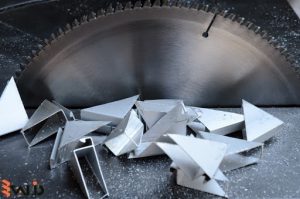
Aluminum profiles are a versatile and widely used material in various industries, from construction and manufacturing to DIY projects. To harness the full potential of aluminum profiles, it’s crucial to understand the art of cutting them efficiently and accurately. In this article, we will explore the techniques, tools, and tips for mastering aluminum profile cutting.
I. Understanding Aluminum Profiles
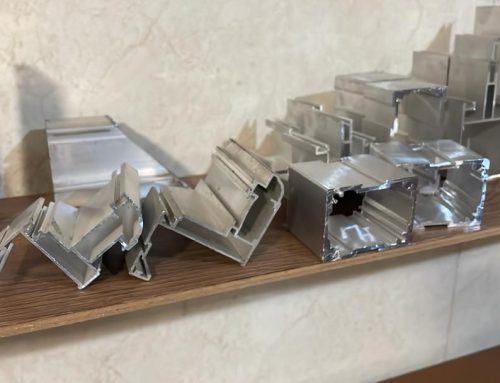
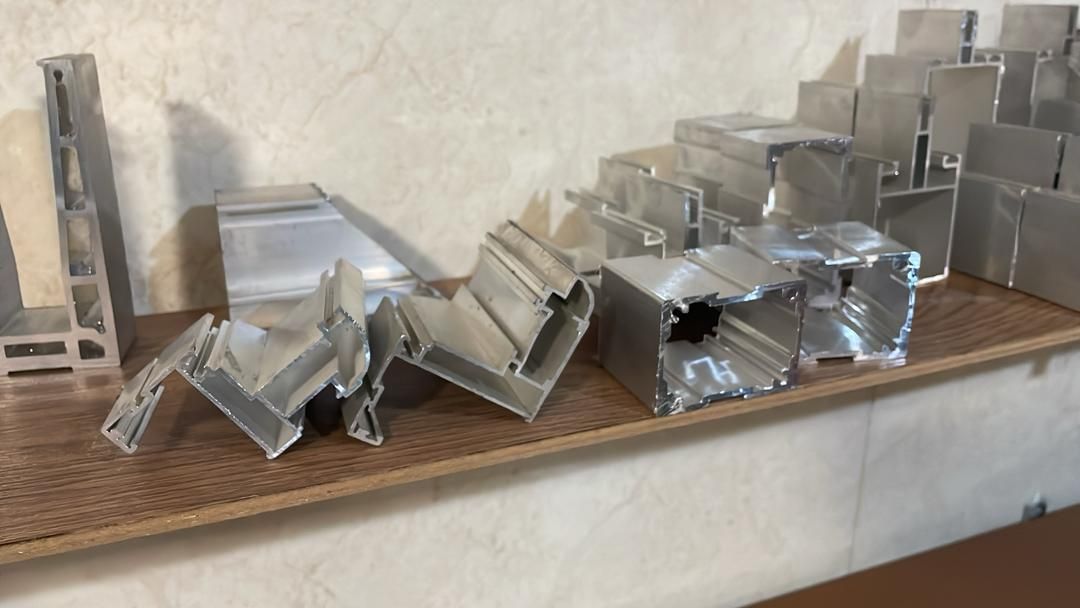
Before diving into cutting techniques, it’s essential to understand what aluminum profiles are. These are extruded pieces of aluminum, typically in various shapes and sizes, used for creating frameworks, supports, or decorative elements. Understanding the specific aluminum profile type and its intended use will determine the cutting method you need.
II. Tools for the Job
To achieve precise and clean cuts on aluminum profiles, you will need the right tools. Some common tools used for aluminum profile cutting include:
- Hacksaw: This manual tool is suitable for cutting smaller aluminum profiles. It offers control but requires physical effort and time.
- Miter Saw: A power tool designed for angle cuts, miter saws work well with aluminum profiles, offering speed and precision. They are ideal for cutting at different angles and are often used for framing and molding.
- Circular Saw: These versatile saws can be equipped with carbide-tipped blades for aluminum cutting. They are excellent for straight cuts on larger profiles.
- Jigsaw: Jigsaws are useful for intricate cuts, curved shapes, or notches in aluminum profiles. They are versatile but may leave rougher edges.
- Bandsaw: A bandsaw is a great tool for cutting complex shapes and curves. It provides excellent precision and is commonly used for specialized projects.
- CNC Router: For industrial applications, a CNC router can provide highly precise cuts, making it an ideal choice for intricate, repetitive work.
III. Techniques for Aluminum Profile Cutting
- Measure and Mark: Begin by measuring and marking the aluminum profile precisely where you want to make the cut. Double-check your measurements to avoid mistakes.
- Secure the Profile: Use clamps or other methods to secure the aluminum profile firmly in place. This prevents movement during the cutting process, ensuring accuracy.
- Cutting Speed: When using power tools, such as circular saws or miter saws, make sure to choose the appropriate speed and blade type for aluminum. Cutting too fast or using the wrong blade can result in poor-quality cuts and increased tool wear.
- Lubrication: To prevent excessive heat and friction during cutting, use a lubricant or cutting fluid. This not only enhances the cutting process but also prolongs the life of your cutting tools.
- Safety Gear: Always wear safety gear, including safety glasses, ear protection, and gloves, when working with aluminum profiles. These materials can produce sharp chips and dust, which can be harmful if not properly protected.
- Minimize Heat: Aluminum conducts heat well and can become hot during cutting. Avoid overheating by making periodic stops to allow the material to cool down.
- Deburring: After cutting, use a file or a deburring tool to remove sharp edges and burrs, ensuring a clean and safe finish.
IV. Tips for a Successful Cut
- Choose the Right Blade: Select the appropriate blade for your saw or cutting tool. A carbide-tipped or high-tooth-count blade designed for metal cutting will yield the best results.
- Practice on Scrap: If you’re new to cutting aluminum profiles, practice on scrap pieces first to get a feel for your chosen tool’s capabilities and to refine your technique.
- Use a Guide: For straight cuts, use a guide or fence to maintain a consistent cutting line and improve accuracy.
- Keep Tools Sharp: Regularly check and maintain the sharpness of your cutting tools. Dull blades can lead to jagged and imprecise cuts.
V. Common Mistakes to Avoid
As you embark on your aluminum profile cutting journey, it’s essential to be aware of common mistakes that can lead to subpar results or even accidents. Here are some key errors to avoid:
- Inaccurate Measurements: Taking imprecise measurements or neglecting to double-check them can result in incorrect cuts, which may lead to material wastage.
- Inadequate Tool Selection: Using the wrong tool for the job can lead to poor results, excessive tool wear, and potential safety hazards. Always match the tool to the specific needs of your project.
- Lack of Safety Precautions: Failing to wear appropriate safety gear or secure the aluminum profile properly can result in accidents and injuries. Safety should always be a top priority.
- Overheating: Excessive heat generated during cutting can damage the tool, the workpiece, and even pose a safety risk. Taking precautions to minimize heat is crucial.
- Rushing the Process: Haste can lead to imprecise cuts and potential errors. Take your time and focus on maintaining precision throughout the cutting process.
VI. Advanced Techniques and Special Considerations
While we’ve covered the fundamentals of aluminum profile cutting, there are advanced techniques and special considerations that can further enhance your skills in working with this material:
- Bevel Cuts: In some projects, you may need to make bevel cuts in aluminum profiles. This is when the cut is made at an angle other than 90 degrees. Tools like miter saws and circular saws can be adjusted to make bevel cuts, allowing you to create intricate designs and connections.
- Joining Methods: Cutting aluminum profiles is often just the first step. You may also need to join them together to create a structure. Consider options like welding, bolting, or using specialized connectors depending on the application.
- Anodized Aluminum: Anodized aluminum profiles have a protective coating that can wear down cutting tools more quickly. Consider using carbide-tipped blades and cutting lubricants when working with anodized aluminum to maintain clean cuts.
- Aluminum Extrusion Profiles: These profiles have precise dimensions and may require special cutting techniques, such as using a specific saw designed for extrusions or employing a digital measuring system for high precision.
- Sanding and Polishing: For a professional finish, you may need to sand and polish the cut edges of the aluminum profiles. This can remove any minor imperfections and give a smooth, polished appearance.
VII. Recycling and Environmental Considerations
Aluminum is an environmentally friendly material due to its recyclability. When cutting aluminum profiles, it’s important to minimize waste and consider recycling the scrap material. Many recycling centers accept aluminum for processing and reuse, reducing the environmental impact of your projects.
Conclusion
Mastering the art of aluminum profile cutting is an essential skill for anyone working with this versatile material. Whether you’re engaged in construction, manufacturing, or DIY projects, knowing how to cut aluminum profiles accurately and efficiently will make a significant difference in the quality of your work.
By understanding the various types of aluminum profiles, selecting the right cutting tools, employing the correct techniques, and following safety guidelines, you can consistently achieve clean, precise cuts that meet the demands of your projects. Remember to pay attention to common mistakes to avoid, ensuring that your aluminum profile cutting endeavors are successful, safe, and satisfying.
So, whether you’re framing a structure, building a custom piece of furniture, or engaging in any other aluminum profile project, armed with the knowledge and skills presented in this article, you’ll be better equipped to tackle the task with confidence and achieve outstanding results. Happy cutting!



Leave A Comment