
Special profiles in Partition system
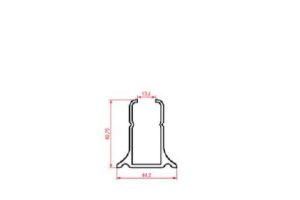
Special profiles in Partition system ,Partition systems are essential for managing resources and workloads on a physical server. However, standard profiles may not always provide the flexibility or granularity needed for specific use cases. This is where special profiles come in.
What are Special Profiles?
Special profiles are a type of partition profile that goes beyond the basic configuration options offered by standard profiles. They provide deeper customization and control over various aspects of the logical partition, including:
- Resource allocation: Special profiles allow for fine-grained control over resource allocation, such as processor units, memory, I/O adapters, and virtual processors. This can be crucial for ensuring optimal performance for specific workloads.
- Priority settings: Setting priorities for different logical partitions can be beneficial for workload management. Special profiles enable customizing priorities for processor, I/O, and memory access, ensuring critical tasks receive the necessary resources.
- Advanced configurations: These profiles can be used to enable advanced features like shared processors, uncapped weight for virtual processors, and dynamic memory expansion. These options can further enhance resource utilization and workload adaptability.
Benefits of Using Special Profiles
Utilizing special profiles offers several advantages:
- Enhanced performance: By finely tuning resource allocation and priorities, special profiles can optimize system performance for specific workloads, leading to faster processing and improved responsiveness.
- Improved resource utilization: By maximizing resource utilization, special profiles can help reduce waste and increase the overall efficiency of the partition system.
- Increased flexibility: Special profiles provide the flexibility to adapt the partition system to changing requirements and specific use cases.
- Enhanced workload management: Priority settings allow for more effective workload management, ensuring critical tasks receive the resources they need to perform optimally.
When to Use Special Profiles
Special profiles are ideal for situations where:
- Standard profiles lack the necessary customization options for specific workloads.
- Fine-grained control over resource allocation is crucial for optimal performance.
- Advanced features like shared processors or dynamic memory expansion are required.
- Managing the priority of different workloads is important.
Examples of Special Profiles
Some common types of special profiles include:
- High-performance profiles: These profiles are designed to prioritize processor and memory resources for demanding workloads, ensuring maximum performance.
- High-availability profiles: These profiles prioritize I/O resources and configure the system for redundancy, ensuring continuous operation in case of failures.
- Development and test profiles: These profiles provide limited resource allocation and isolation, making them suitable for development and testing environments.
Special Profiles in Partition Systems: Implementation and Considerations
Implementing Special Profiles:
The process of implementing special profiles varies depending on the specific partition system you are using. However, some general steps are involved:
- Identify the need for a special profile: Evaluate your workload requirements and determine if standard profiles offer sufficient control.
- Define the resource allocation: Specify the desired minimum, desired, and maximum values for processor units, memory, I/O adapters, and virtual processors.
- Set priority levels: Configure priorities for processor, memory, and I/O access to ensure critical tasks get the necessary resources.
- Enable advanced features: Choose any additional features like shared processors, uncapped weight, or dynamic memory expansion.
- Create the special profile: Use the provided tools within your partition system to create and configure the special profile.
- Assign the profile to a logical partition: Select the appropriate logical partition and apply the created special profile.
- Monitor and adjust: Keep an eye on system performance and resource utilization, and adjust the special profile settings as needed.
Considerations for Using Special Profiles:
While special profiles offer significant benefits, there are some key considerations to keep in mind:
- Increased complexity: Implementing and managing special profiles can be more complex than using standard profiles.
- Additional expertise required: Configuring and optimizing special profiles often require deeper technical knowledge and expertise.
- Potential for resource conflicts: Overly aggressive configurations with special profiles can lead to resource conflicts and system instability.
- Limited compatibility: Special profiles might not be compatible with all hardware and software configurations.
Best Practices for Utilizing Special Profiles in Partition Systems
To get the most out of special profiles, here are some best practices:
Planning and Design:
- Clearly define your requirements: Before creating special profiles, meticulously define your workload needs and desired performance outcomes. This will guide your configuration choices.
- Benchmark and analyze: Utilize benchmarking tools to understand resource usage patterns and identify bottlenecks in your current system. This data will inform resource allocation decisions in special profiles.
- Start simple and iterate: Begin with basic configurations for special profiles and gradually refine them based on performance monitoring and workload demands.
- Document your configurations: Document all settings and configurations applied to special profiles. This documentation will facilitate future maintenance and troubleshooting.
Resource Allocation:
- Avoid over-allocation: Allocate resources realistically based on actual workload requirements to avoid resource contention and performance degradation.
- Set buffer levels: Consider setting buffer levels for memory and I/O resources to accommodate unexpected spikes in demand.
- Monitor resource utilization: Regularly monitor resource utilization of active logical partitions using special profiles to identify potential bottlenecks and optimize configurations.
Priority Settings:
- Prioritize critical tasks: Assign high priorities to processor, memory, and I/O access for tasks deemed critical for overall system performance.
- Balance priorities: Ensure fair distribution of resources by assigning appropriate priorities to various workloads running on the system.
- Review and adjust priorities: Regularly review and adjust priority settings as workload demands and system conditions evolve.
Advanced Features:
- Use shared processors judiciously: While shared processors offer flexibility, use them cautiously to avoid over-subscription and performance issues.
- Uncapped weight with caution: Uncapped weight for virtual processors can maximize performance, but use it with caution as it can lead to resource starvation for other workloads.
- Dynamic memory expansion: Leverage dynamic memory expansion to optimize memory utilization for workloads with fluctuating memory demands.
Management and Monitoring:
- Automate tasks: If possible, automate routine tasks such as profile creation, activation, and configuration updates.
- Centralized management tools: Utilize centralized management tools provided by your partition system to manage and monitor special profiles across different servers.
- Regular backups and testing: Regularly back up your special profile configurations and conduct periodic testing to verify their functionality and ensure system resilience.
By adopting these best practices, you can leverage the power of special profiles to optimize your partition system for peak performance, resource efficiency, and workload adaptability. Remember, careful planning, precise configuration, and continuous monitoring are key to unlocking the full potential of special profiles and ensuring a stable and efficient server environment.
In summary, special profiles offer a significant advantage for optimized partition management, allowing you to:
- Fine-tune resource allocation: Tailor resource allocation to specific workload requirements, ensuring optimal performance.
- Prioritize critical tasks: Guarantee critical tasks receive the resources they need for smooth operation.
- Utilize advanced features: Leverage powerful features like shared processors, uncapped weight, and dynamic memory expansion.
- Increase flexibility: Adapt your partition system to meet the evolving demands of your workloads.
By leveraging special profiles strategically, you can unlock the full potential of your partition system and create a stable, efficient, and performance-optimized infrastructure for your workloads.
Special Profiles: The Future of Partition Management
The evolution of partition systems and the increasing demands of modern workloads necessitate flexible and adaptable management solutions. Special profiles, with their advanced capabilities, are poised to play a pivotal role in the future of partition management.
Here are some key trends shaping the future of special profiles:
Increased automation: Automation tools will simplify the creation, deployment, and management of special profiles, making them more accessible to a wider range of users.
Integration with AI and machine learning: AI and machine learning algorithms can analyze resource usage patterns and workload requirements, suggesting optimal configurations for special profiles.
Cloud-based management: Cloud-based platforms will enable centralized management and monitoring of special profiles across multiple servers and locations.
Enhanced security features: Special profiles will offer advanced security features, such as isolation and resource fencing, to protect sensitive workloads and prevent unauthorized access.
Integration with containerization technologies: Special profiles will be closely integrated with containerization technologies like Docker and Kubernetes, allowing for efficient resource allocation and management of containerized workloads.
Standardization and interoperability: Efforts are underway to standardize special profiles across different partition systems, enabling greater interoperability and portability of configurations.
These future advancements will further enhance the capabilities and usability of special profiles, solidifying their position as a key tool in modern partition management. By embracing these innovations, administrators can ensure their systems are equipped to handle the ever-growing demands of dynamic and diverse workloads, paving the way for a future of optimized performance, resource efficiency, and seamless management.
Special Profiles: A Look at the Future and Beyond
While special profiles offer a significant leap forward in partition management, the future holds even more exciting possibilities. Here’s a glimpse into what lies ahead:
Hyper-personalized profiles: As AI and machine learning capabilities advance, special profiles may become even more granular, dynamically adjusting to the specific needs of each individual workload in real-time. This hyper-personalized approach can potentially optimize performance and resource utilization to an unprecedented level.
Predictive resource allocation: Leveraging advanced data analytics and machine learning algorithms, future special profiles may be able to predict future workload demands and pre-allocate resources accordingly. This proactive approach can help prevent bottlenecks and ensure smooth operation even when workload demands fluctuate significantly.
Self-healing partitions: Special profiles could be integrated with self-healing mechanisms, automatically detecting and resolving resource conflicts or performance issues. This intelligent automation can further enhance system reliability and reduce the need for manual intervention.
Integration with edge computing: As edge computing becomes increasingly prevalent, special profiles may be adapted to manage and optimize resources on edge devices. This could enable efficient deployment and execution of critical workloads closer to the source of data, enhancing responsiveness and reducing latency.
Open-source development and collaboration: The open-sourcing of special profiles could foster collaboration and innovation within the community. This could lead to the development of new features, improved compatibility, and wider adoption of advanced partition management techniques.
Looking beyond these immediate advancements, the future of special profiles may involve:
Integration with quantum computing: As quantum computing technologies mature, special profiles can be tailored to manage and optimize resources for quantum workloads, opening up vast possibilities for scientific discovery and technological breakthroughs.
Bio-inspired resource allocation: Inspired by the intricate resource management systems found in nature, future special profiles may implement bio-mimicry algorithms for self-organization and adaptation, leading to even more efficient and resilient partition systems.
Human-machine collaboration: The future may see a shift towards collaborative partition management, where humans and intelligent systems work together. Special profiles could be equipped with advanced communication and explanation capabilities, enabling seamless interaction and decision-making between administrators and AI assistants.
These are just a few glimpses into the potential future of special profiles. As technology continues to evolve at an exponential rate, the possibilities for advanced partition management are truly limitless. By embracing these innovations and fostering collaboration, we can pave the way for a future where partition systems are not only efficient and powerful but also adaptable, intelligent, and capable of supporting the most demanding workloads of tomorrow , Special profiles in Partition system .





Leave A Comment