
Hollow Beam
Hollow beams are a versatile and often-overlooked option in the world of construction and design. They offer a unique combination of strength, lightweight construction, and aesthetic appeal, making them suitable for various applications.
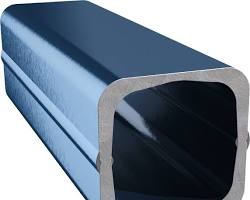
What are Hollow Beams?
A hollow beam is a structural element with a hollow interior. They are typically constructed from various materials, including:
- Steel: I-beams, H-beams, and box beams are common examples of steel hollow beams.
- Wood: Box beams and faux wood beams are popular wood hollow beam options.
- Concrete: Prestressed concrete hollow beams are used in bridge construction and other large-scale projects.
- Composite: Beams made from a combination of materials, such as steel and concrete, are also available.
The hollow interior of these beams allows them to be lighter than solid beams of the same size, while still possessing comparable strength. This lightweight construction makes them easier to handle and transport, reducing installation costs.
Advantages of Hollow Beams
Hollow beams offer several advantages over solid beams:
- Lightweight: As mentioned earlier, hollow beams are significantly lighter than solid beams of the same size. This makes them easier to install and reduces the load on the supporting structure.
- Cost-effective: The lighter weight of hollow beams also translates to lower material and transportation costs.
- Versatility: Hollow beams come in various shapes and sizes, making them suitable for a wide range of applications.
- Strength: Despite being hollow, these beams are designed to be strong enough to support significant loads.
- Flexibility: The hollow interior of these beams allows for easy integration of utilities and services, such as electrical wiring, plumbing, and ventilation ducts.
- Aesthetics: Hollow beams can add a modern and industrial aesthetic to a space.
Applications of Hollow Beams
Hollow beams are used in various applications, including:
- Building construction: For floor joists, roof trusses, and beams for large open spaces.
- Bridge construction: For lightweight and strong bridge decks.
- Commercial spaces: For exposed beams in retail stores, offices, and restaurants.
- Residential construction: For decorative beams in ceilings, fireplaces, and mantles.
- Industrial applications: For crane beams, conveyor systems, and other industrial machinery.
Choosing the Right Hollow Beam
The type of hollow beam you choose will depend on your specific needs and requirements. Some factors to consider include:
- Material: Steel is a good option for high-strength applications, while wood is a more affordable choice for decorative purposes.
- Shape and size: The shape and size of the beam will need to be compatible with your project requirements.
- Load-bearing capacity: Ensure the chosen beam can support the anticipated loads.
- Cost: Compare the cost of different materials and sizes to find the best option for your budget.
Design Considerations for Hollow Beams
The design of a hollow beam must consider several factors to ensure its functionality and performance. These factors include:
Material properties:
- Strength: The material should be strong enough to withstand the anticipated loads without excessive deflection or failure.
- Stiffness: The beam should be stiff enough to resist bending and maintain its shape under load.
- Ductility: The material should be ductile enough to deform without sudden fracture in case of overloading.
- Fatigue resistance: The beam should be able to withstand repeated loads without fatigue crack growth.
- Corrosion resistance: The material should be resistant to corrosion, especially in environments with high humidity or exposure to chemicals.
Cross-sectional geometry:
- Shape: The shape of the hollow section should be chosen to optimize its strength and stiffness for the intended load. Common shapes include rectangular, square, circular, and I-beam sections.
- Wall thickness: The wall thickness of the hollow section should be sufficient to provide the required strength and stiffness while minimizing material usage.
- Internal web configuration: For complex cross-sectional shapes, internal webs can be added to improve the torsional stiffness and buckling resistance.
Loadings:
- Dead loads: The weight of the beam itself and any permanent attachments.
- Live loads: The weight of occupants, furniture, equipment, and other variable loads.
- Wind loads: The forces exerted by wind on the structure.
- Seismic loads: The forces exerted by earthquakes on the structure.
Fabrication and construction:
The hollow beam fabrication process should ensure the structural integrity of the beam. This includes proper welding techniques, heat treatment, and quality control. Construction methods should be carefully planned to ensure the safe and accurate installation of the beams.
Software modeling and analysis:
Advanced software tools can be used to simulate the behavior of hollow beams under different loading conditions. This can help engineers design beams that are safe, efficient, and meet all necessary performance requirements.
Testing and validation:
Physical testing of hollow beams may be required to verify their strength, stiffness, and other properties. This is especially important for new materials or innovative designs.
Sustainability:
The use of hollow beams can contribute to sustainable construction practices by reducing material consumption and minimizing waste. Additionally, hollow beams can be made from recycled materials, further enhancing their environmental benefits.
Future of Hollow Beams
Hollow beams have a promising future in the construction industry due to their numerous advantages. Advancements in material technology, design software, and fabrication techniques are further expanding their potential applications.
Here are some key trends shaping the future of hollow beams:
1. Continued development of high-performance materials:
- New materials, including high-strength steel alloys, advanced polymers, and fiber-reinforced composites, are being developed with improved strength, stiffness, and weight-to-strength ratios. These materials offer the potential for lighter and more efficient hollow beams.
- The use of recycled materials in hollow beam production is also becoming increasingly common, promoting sustainability in the construction industry.
2. Increased adoption of advanced design and analysis tools:
- Finite element analysis (FEA) software is becoming increasingly sophisticated, allowing engineers to model the behavior of complex hollow beam structures with greater accuracy.
- This allows for optimization of designs and identification of potential issues before construction begins, resulting in more efficient and cost-effective projects.
3. Automation in fabrication and construction:
- Robotics and automation are being introduced in the fabrication of hollow beams, improving accuracy, consistency, and production speed.
- Advanced construction techniques, such as prefabrication and modularization, are also being employed to minimize on-site construction time and reduce costs.
4. Integration with smart technologies:
- Hollow beams can be integrated with sensors and other smart technologies to monitor their performance and provide real-time data on their structural health.
- This information can be used for predictive maintenance and early detection of potential problems, improving the safety and longevity of structures.
5. Wider range of applications:
- The development of new materials and design techniques is expanding the potential applications of hollow beams beyond traditional uses in buildings and bridges.
- They are now being explored for use in a wider range of structures, including offshore platforms, wind turbine towers, and even spacecraft.
6. Sustainability focus:
- The environmental benefits of hollow beams, such as reduced material consumption and lower carbon footprint, are increasingly being recognized.
- This is driving the development of new sustainable materials and construction methods for hollow beams, further promoting their adoption in eco-friendly projects.
Overall, the future of hollow beams is bright. With continued advancements in technology and a growing focus on sustainability, these versatile structural elements are poised to play an even greater role in shaping the built environment of tomorrow.
Conclusion: A Beam of Hope for the Future
Hollow beams offer a compelling combination of strength, lightweight construction, and versatility, making them a valuable tool for architects, engineers, and builders. As we look toward the future, hollow beams stand poised to play an increasingly prominent role in shaping our world.
Their potential extends beyond traditional applications in buildings and bridges. We can envision hollow beams soaring as wind turbine towers, reaching across vast distances in offshore platforms, and even venturing into the cosmos as part of spacecraft structures.
With advancements in material science and design software, hollow beams are becoming lighter, stronger, and more efficient than ever before. The integration of smart technologies further enhances their capabilities, allowing for real-time monitoring and predictive maintenance. Additionally, the focus on sustainability underscores the environmental benefits of hollow beams, making them a natural choice for eco-conscious projects.
The future of hollow beams is a testament to human ingenuity and innovation. These seemingly simple structures represent a world of possibilities, offering solutions to complex challenges and paving the way for a more sustainable and resilient future. So, the next time you encounter a hollow beam, remember, it’s not just a structural element; it’s a beam of hope for what’s to come.





Leave A Comment