
Skylight glass how much does it cost

When it comes to architectural innovations that bring natural light and an ethereal atmosphere into interior spaces, skylight glass stands out as a compelling choice. Skylights have been used for centuries, but modern advancements in glass technology have elevated their functionality and aesthetic appeal to new heights. In this article, we will explore the wonders of skylight glass, its benefits, and delve into the factors that influence its cost.
The Beauty of Skylight Glass:
Skylight glass refers to specially designed windows installed in the roof or ceiling of a building to allow natural light to pour into the interior. They come in various shapes and sizes, from fixed flat models to operable systems that can be opened to provide ventilation. Skylight glass is often made of high-quality materials with superior transparency and UV protection.
One of the primary advantages of skylights is their ability to brighten up indoor spaces with natural sunlight, creating a sense of openness and reducing the need for artificial lighting during the day. This not only enhances the aesthetic appeal of the room but also offers numerous health benefits. Exposure to natural light has been shown to improve mood, increase productivity, and regulate the body’s circadian rhythm.
Skylight glass also serves as an excellent tool for passive solar heating, helping to reduce heating costs in colder climates. Additionally, they can provide passive cooling during warmer months when positioned strategically to allow hot air to escape, reducing the need for air conditioning.
The Cost Considerations:
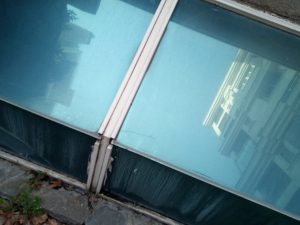
The cost of skylight glass installation can vary widely depending on several factors. Here are some key considerations that influence the overall cost:
- Material and Quality: The quality of the skylight glass directly affects its cost. Higher quality glass with advanced features like Low-E (low-emissivity) coatings, which improve energy efficiency, and UV protection will generally be more expensive. However, investing in premium glass can lead to long-term energy savings and improved durability.
- Size and Design: Larger skylights or those with intricate designs may require more materials and labor, leading to higher costs. Custom-designed skylights, which are tailored to fit unique architectural requirements, will also be more expensive than standard sizes.
- Installation Complexity: The complexity of the installation process plays a significant role in the overall cost. If structural modifications are necessary to accommodate the skylight, such as reinforcing the roof or ceiling, costs may increase.
- Type of Skylight: There are various types of skylights available, including fixed, vented, tubular, and domed models. Each type has its specific cost factors. For instance, vented skylights with motorized opening features will be more expensive than fixed ones.
- Additional Features: Skylights can come with extra features like blinds or shades for light control, rain sensors for automatic closing during inclement weather, and remote-controlled operations. These additional features will add to the overall cost.
- Installation Labor: The complexity of the installation and the region’s labor costs will impact the final price. Hiring experienced professionals for installation ensures proper sealing and prevents potential leaks.
Average Cost Range:
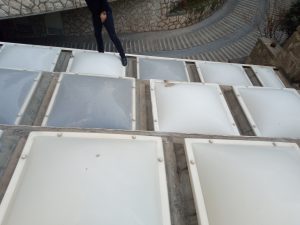
It is challenging to provide an exact cost figure for skylight glass, as prices can vary significantly depending on the factors mentioned above and the location of the project. As a rough estimate, basic fixed skylights can start around $500 to $1,500, while larger or more complex models with additional features can range from $2,000 to $5,000 or more.
Skylight Glass: Enhancing Spaces with Natural Radiance
Tips for Making the Right Choice:
When considering the installation of skylight glass, here are some important tips to help you make the right choice:
- Evaluate Your Needs: Determine the purpose of installing skylights. Is it to brighten up a dim room, improve ventilation, or add aesthetic appeal? Understanding your objectives will help you select the appropriate type and design of skylight glass.
- Consider Energy Efficiency: Opt for skylight glass with Low-E coatings, which can significantly reduce heat transfer and improve insulation. This energy-efficient feature will contribute to lower utility bills and a more comfortable indoor environment.
- Assess Roof Structure: Before installing a skylight, have a professional assess the condition of your roof and evaluate whether any structural modifications are needed to support the skylight’s weight.
- Ventilation Options: If you’re considering a vented skylight for additional ventilation, ensure that it can be easily opened and closed, either manually or with a motorized system.
- Location and Orientation: Determine the best location and orientation for your skylight to maximize natural light while avoiding excessive heat gain. North-facing skylights provide more even lighting throughout the day, while south-facing skylights offer more light during winter months.
- Weather Considerations: Consider your climate and local weather conditions. If you live in an area prone to heavy rain or snow, invest in skylight glass with excellent weatherproofing features.
- Safety Measures: To prevent potential accidents, especially in areas with high foot traffic, consider using laminated or tempered glass for added safety.
Professional Installation Matters:
While skylight glass installation might seem like a tempting DIY project, it is essential to hire experienced professionals for the job. Improper installation can lead to water leaks, inadequate insulation, or even structural damage. A skilled contractor will ensure that your skylight is installed correctly, adhering to building codes and safety standards.
Conclusion:
Skylight glass brings the allure of natural light into the heart of architectural design. Its ability to brighten up spaces, reduce reliance on artificial lighting, and improve the overall ambiance makes it a valuable addition to any home or commercial building. Additionally, the energy efficiency and passive climate control benefits of skylights further contribute to their appeal.
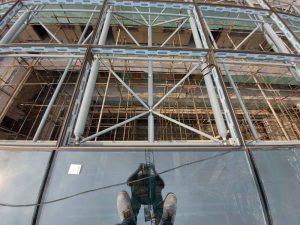
While the cost of skylight glass can vary depending on factors like size, design, and material quality, the long-term advantages it offers make it a worthwhile investment. Remember to carefully consider your specific needs, choose energy-efficient options, and engage professional installers to ensure a seamless and successful project.
With skylight glass, you can transform your living or working spaces into well-lit and inviting areas that embrace the beauty of the sun and the sky, bringing a sense of harmony between the indoors and the outdoors. Whether it’s to enjoy the starry nights or bask in the warmth of the morning sun, skylight glass is an architectural wonder that brightens lives in more ways than one.

Leave A Comment