
Aluminium profile price for glass facade
Introduction
Glass facades have become increasingly popular in modern architecture, offering a sleek and contemporary aesthetic to buildings while maximizing natural light and energy efficiency. One of the crucial components of glass facades is aluminium profiles, which provide structural support and enhance the overall appearance. As a key material in facade construction, the price of aluminium profiles plays a significant role in determining the cost of a glass facade project. In this article, we will explore the factors influencing aluminium profile prices for glass facades and examine current trends in the market.
-
Raw Material Costs
One of the primary factors influencing the price of aluminium profiles is the cost of raw materials. Aluminium is derived from bauxite ore, and its price is subject to fluctuations based on supply and demand dynamics, geopolitical factors, and production costs. Any volatility in the cost of raw materials directly impacts the final price of aluminium profiles.
-
Alloy Composition and Quality
Aluminium profiles for glass facades are available in various alloy compositions and grades, each offering different levels of strength, corrosion resistance, and performance characteristics. Higher-grade alloys with superior features tend to be more expensive than standard ones. Architects and project managers often choose specific alloy compositions based on the project’s requirements and budget constraints.
-
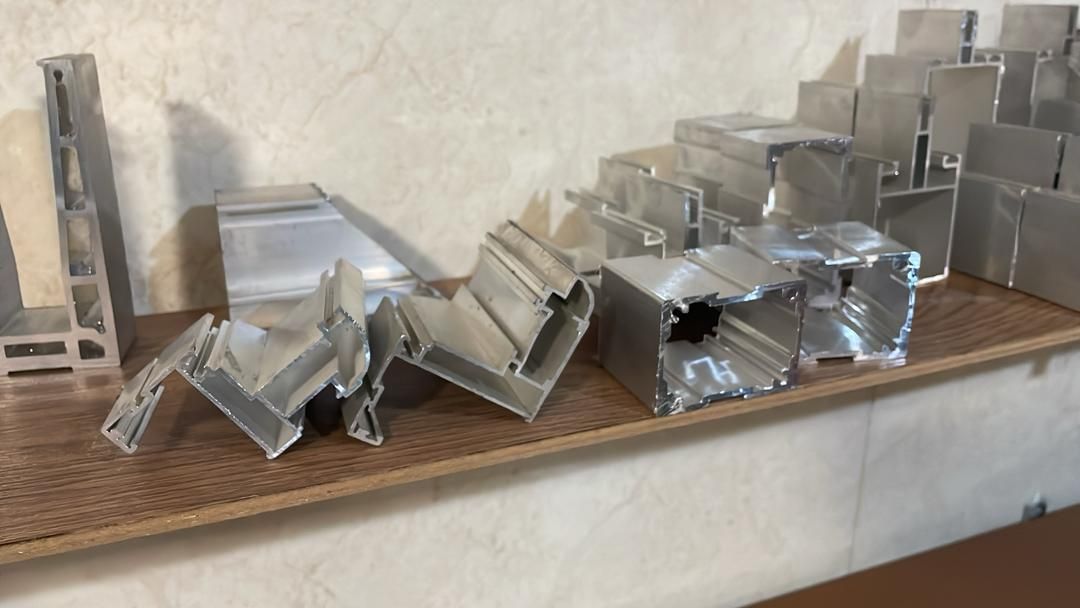
Profile Design and Complexity
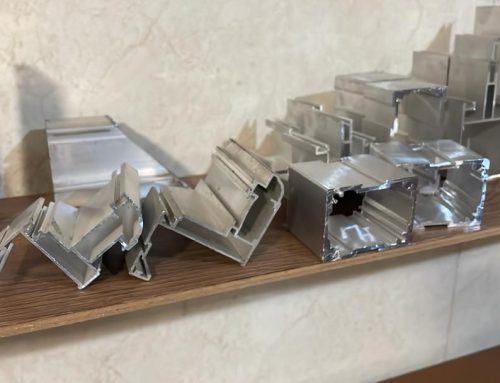
The design and complexity of the aluminium profiles also influence their price. Custom-designed profiles or those with intricate shapes may require specialized manufacturing processes, which can add to the overall cost. Additionally, specific design requirements may call for additional treatments like powder coating or anodizing, further impacting the price.
-
Extrusion Technology
The method used to produce aluminium profiles is a crucial cost determinant. Extrusion, the most common technique for manufacturing these profiles, involves forcing heated aluminium through a die to achieve the desired shape. More advanced extrusion technologies, such as precision extrusion or hydroforming, may result in higher-quality profiles but at an increased cost.
-
Market Demand and Supply
Like any commodity, the demand and supply dynamics in the aluminium market can significantly affect prices. High demand for glass facades in the construction industry, coupled with limited supply, may lead to price surges. Conversely, a slowdown in construction activity or an oversupply of aluminium can cause prices to stabilize or even decrease.
-
Geographic Location
Geographic location also plays a role in aluminium profile prices. Transportation costs, import and export duties, and local market conditions can vary depending on the region, leading to differences in prices between different locations.
-
Economic Factors
The overall economic health of a country or region can influence aluminium profile prices. During periods of economic growth, construction activities tend to increase, leading to higher demand for materials like aluminium profiles. Conversely, economic downturns may result in reduced demand and, consequently, lower prices.
-
Environmental Regulations and Sustainability
In recent years, there has been a growing emphasis on sustainability and environmental consciousness in the construction industry. Governments and regulatory bodies worldwide have introduced stricter environmental regulations to reduce the carbon footprint of buildings. Aluminium is considered an eco-friendly material as it is fully recyclable and requires less energy to recycle than to produce from raw materials.
However, adhering to these sustainability standards and obtaining eco-certifications for aluminium profiles may involve additional costs for manufacturers. As a result, aluminium profile prices for glass facades might reflect these sustainability efforts, making eco-friendly profiles more expensive than conventional alternatives.
-
Technological Advancements
Advancements in manufacturing technologies and processes can influence aluminium profile prices. Innovations that improve production efficiency, reduce waste, or enhance the performance of profiles may initially come at a higher cost but could eventually lead to more competitive pricing as they become widely adopted.
-
Market Competition
The level of competition among aluminium profile manufacturers and suppliers can impact prices. In a competitive market, companies might offer competitive pricing to attract more customers and gain a larger market share. Conversely, in less competitive markets, prices may remain relatively stable or even rise due to a lack of pressure to offer lower prices.
-
Currency Fluctuations
For international buyers and sellers of aluminium profiles, fluctuations in exchange rates can influence prices. A strong domestic currency relative to the exporting country’s currency can result in lower import costs, while a weaker domestic currency may lead to higher prices for imported aluminium profiles.
Conclusion
The price of aluminium profiles for glass facades is subject to a wide range of factors, both internal and external to the construction industry. From raw material costs and alloy compositions to design complexity and sustainability efforts, each factor contributes to the overall pricing of aluminium profiles.
As the architectural landscape continues to evolve, glass facades are likely to remain a popular choice for modern buildings, driving the demand for high-quality aluminium profiles. Architects, project managers, and developers must carefully consider the various factors influencing aluminium profile prices to make informed decisions about material selection and budgeting for their construction projects.
To stay updated on the latest trends and prices in the aluminium profile market, it is crucial to conduct regular market research, engage with reputable suppliers and manufacturers, and keep a close eye on industry publications and reports.
In conclusion, while the price of aluminium profiles is an important consideration, it is equally vital to balance cost with quality and performance to achieve aesthetically pleasing, durable, and sustainable glass facades that stand the test of time.

Leave A Comment