
Single glazed
Introduction:
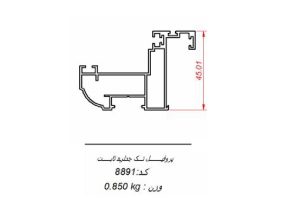
In the realm of modern architecture and interior design, the frameless system has become synonymous with sleek, minimalist aesthetics. One of the key elements contributing to the seamless and sophisticated look of frameless designs is the glazed profile. This article delves into the world of glazed profiles in frameless systems, exploring their significance, advantages, and the impact they have on the overall design.
Understanding Glazed Profiles:
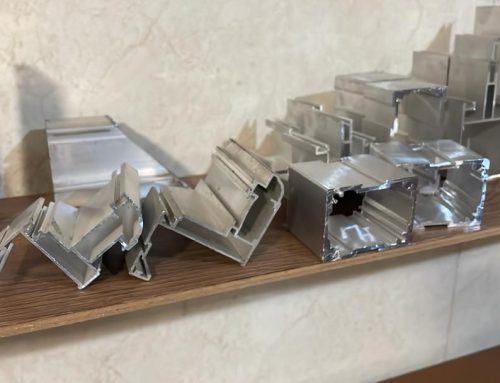
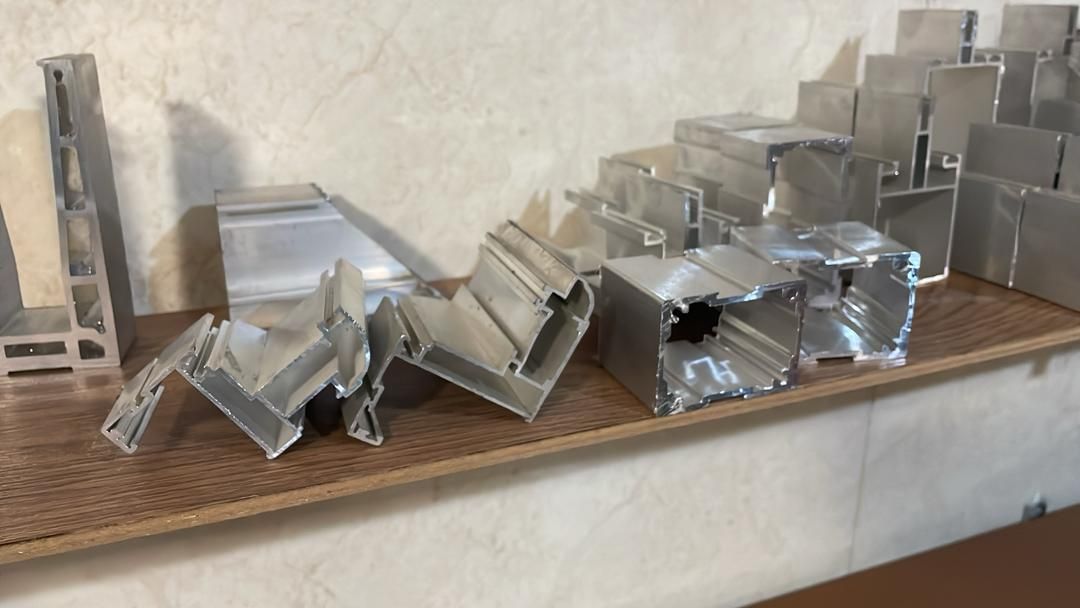
A glazed profile refers to a structural element, typically made of metal or other durable materials, that holds and supports glass panels within a frameless system. Unlike traditional framed structures, frameless systems prioritize the use of expansive glass surfaces, eliminating the need for bulky frames that obstruct views.
Advantages of Glazed Profiles in Frameless Systems:
- Maximized Natural Light: Glazed profiles play a pivotal role in maximizing the entry of natural light into a space. By minimizing the presence of structural elements, these profiles allow for larger glass surfaces, creating an open and airy atmosphere. This not only enhances the visual appeal of the space but also contributes to energy efficiency by reducing the need for artificial lighting during the day.
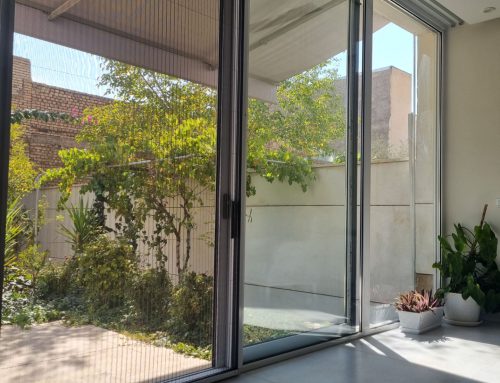
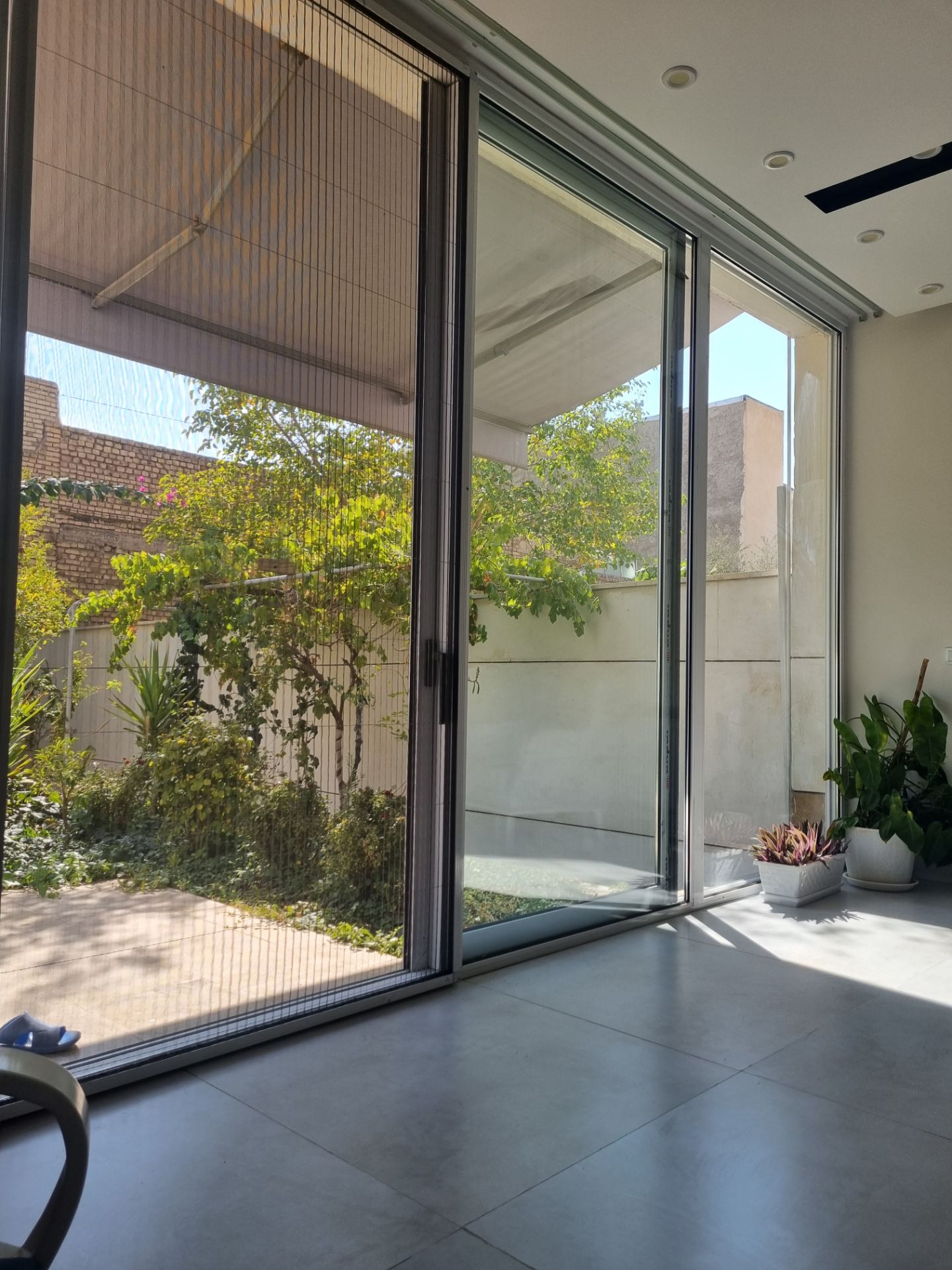
- Seamless Integration: The frameless system, facilitated by glazed profiles, seamlessly integrates interior and exterior spaces. This continuity fosters a sense of openness and blurs the boundaries between the inside and outside, providing occupants with a more immersive and connected experience with their surroundings.
- Architectural Versatility: Glazed profiles offer architects and designers unparalleled flexibility in their creative endeavors. The absence of visible frames allows for clean lines and a contemporary aesthetic, making frameless systems particularly suitable for modern and minimalist designs. Additionally, these profiles can be customized to fit a variety of architectural styles, providing a timeless and versatile solution.
- Unobstructed Views: Perhaps one of the most significant advantages of glazed profiles in frameless systems is the creation of unobstructed views. The absence of traditional window frames allows inhabitants to enjoy panoramic views of the outdoors without visual barriers, fostering a sense of connection with the natural environment.
- Enhanced Spatial Perception: Frameless systems with glazed profiles contribute to an enhanced perception of space. The transparency of the glass, coupled with minimalistic profiles, gives the illusion of a larger and more open area. This is particularly beneficial in smaller spaces, where the frameless design can make a room feel more expansive and inviting.
Challenges and Considerations:
While the advantages of glazed profiles in frameless systems are numerous, it’s essential to acknowledge the challenges and considerations associated with their implementation. The primary concern often revolves around the structural integrity of the system. As frames provide additional support, removing them entirely requires careful engineering to ensure that the glass panels remain secure and resilient, especially in the face of external forces such as wind loads.
Moreover, the choice of materials for both the glazed profiles and the glass panels is critical. Opting for high-quality, durable materials is imperative to guarantee the longevity and safety of the frameless system. Regular maintenance and inspections are also essential to identify and address any issues promptly.
Innovation in Glazed Profiles:
As technology advances, so does the innovation within the realm of glazed profiles. Architects and manufacturers are continually exploring new materials and construction techniques to push the boundaries of what is possible with frameless systems. This includes the development of profiles with enhanced thermal performance, acoustic insulation, and structural strength.
In addition to material advancements, smart glass technology is making its way into frameless systems. Smart glass can be electronically controlled to change its transparency, allowing occupants to modulate privacy levels and control the amount of sunlight entering a space.
Environmental Considerations:
The emphasis on natural light in frameless systems aligns with a growing focus on sustainability in architecture. By optimizing daylighting, these systems reduce the reliance on artificial lighting, contributing to energy efficiency. Additionally, advancements in glass technology, such as low-emissivity coatings, help regulate indoor temperatures, further enhancing the environmental performance of frameless designs.
Implementation and Design Considerations:
When incorporating glazed profiles into frameless systems, careful consideration must be given to the overall design and functionality of the space. The placement of glass panels and the arrangement of glazed profiles can greatly impact the visual appeal and practicality of the design. Architects often collaborate with structural engineers to ensure that the system meets safety standards without compromising the aesthetic goals.
The selection of the right type of glass is also crucial. Depending on the specific requirements of the project, architects may opt for different glass types, such as tempered or laminated glass, each offering unique benefits in terms of safety and durability.
Furthermore, the frameless design trend is not limited to residential spaces. Commercial buildings, offices, and public structures are increasingly adopting frameless systems with glazed profiles. This architectural choice not only creates visually stunning environments but also fosters a sense of transparency and openness in professional settings.
Case Studies:
Examining successful case studies can provide valuable insights into the diverse applications and benefits of glazed profiles in frameless systems. Examples include iconic structures like Apple’s flagship stores, where frameless glass facades create a seamless connection between the interior and the bustling urban environment. In residential architecture, frameless systems are often employed to frame breathtaking natural landscapes, transforming homes into immersive spaces that embrace the outdoors.
Additionally, hotels and resorts leverage frameless designs with glazed profiles to offer guests unparalleled views and a sense of luxury. The success of these projects lies not only in the aesthetic appeal but also in the thoughtful integration of the frameless systems into the overall architectural vision.
Future Trends:
As technology and design trends evolve, the future of glazed profiles in frameless systems holds exciting possibilities. Advancements in sustainable materials, coupled with a growing emphasis on eco-friendly design, may lead to the development of frameless systems that prioritize energy efficiency and environmental responsibility.
Moreover, the integration of smart technologies, such as embedded sensors and automated shading systems, could enhance the functionality of glazed profiles. This would allow for dynamic adjustments based on factors like weather conditions, time of day, and occupant preferences, further optimizing the user experience.
Conclusion:
In the ever-evolving landscape of architecture and design, glazed profiles in frameless systems stand out as a testament to the pursuit of innovation and aesthetics. The ability to seamlessly blend indoor and outdoor spaces while maximizing natural light creates environments that are not only visually striking but also contribute to the well-being of occupants.
As architects continue to explore the possibilities offered by glazed profiles, we can expect to see new heights of creativity and functionality in frameless designs. From residential homes to commercial skyscrapers, the influence of glazed profiles in frameless systems will likely shape the future of architecture, offering a glimpse into a world where the boundaries between the built environment and nature are beautifully blurred.

Leave A Comment