
Frameless system
Introduction:
Frameless system , In the ever-evolving world of design and architecture, the concept of minimalism has gained significant traction. This trend towards simplicity and functionality has extended to various aspects of our lives, including the construction of buildings and the design of interior spaces. One noteworthy development in this regard is the adoption of frameless systems, which have become a hallmark of contemporary design.
Defining Frameless Systems:
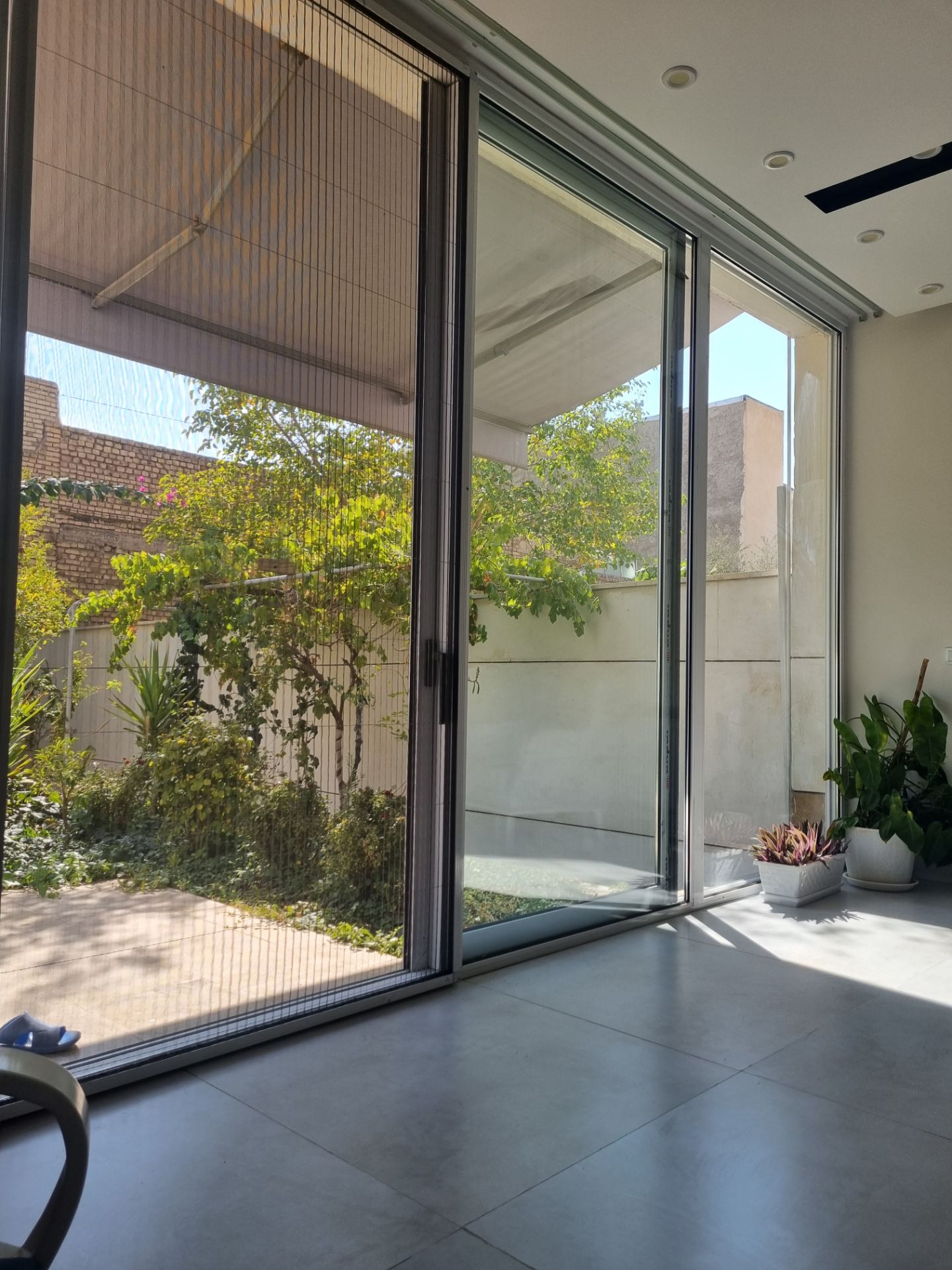
A frameless system refers to a design approach that eliminates traditional framing elements, such as visible borders, supporting structures, or casings. This design philosophy aims to create a seamless and unobtrusive look, emphasizing openness, light, and a sense of continuity within a space.
Advantages of Frameless Systems:
- Aesthetics and Elegance: One of the primary reasons for the growing popularity of frameless systems is their ability to contribute to a clean and sophisticated aesthetic. Without the visual interruption of frames or borders, spaces appear more open and interconnected. Frameless designs often lend an air of elegance and simplicity, allowing other design elements to take center stage.
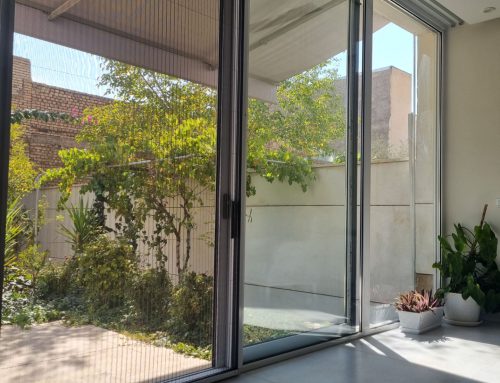
- Maximized Natural Light: Frameless systems, particularly in windows and doors, maximize the inflow of natural light into a space. With minimal obstruction, the boundary between indoor and outdoor spaces blurs, creating a seamless transition. This not only enhances the visual appeal of the interior but also contributes to a more positive and uplifting atmosphere.
- Spatial Flexibility: The absence of visible frames provides a sense of continuity, making spaces appear larger and more flexible. Frameless systems are particularly advantageous in smaller spaces, where traditional frames might create a sense of confinement. This flexibility allows for more creative and adaptive interior designs.
- Enhanced Views: Frameless windows and glass doors provide unobstructed views of the surrounding environment. This is especially beneficial in settings with picturesque landscapes or urban skylines. By eliminating the visual barriers, frameless systems capitalize on the beauty of the surroundings, creating a more immersive experience for occupants.
- Easy Maintenance: Frameless systems often come with simplified structures that are easier to clean and maintain. The absence of intricate frames reduces the number of surfaces that collect dust or grime, making it more convenient for homeowners or building managers to keep spaces looking pristine.
- Modern Technological Integration: Frameless systems often incorporate modern technologies, such as smart glass that can transition between transparent and opaque states or integrate with home automation systems. This not only adds a futuristic touch but also enhances the functionality of the space.
- Versatility in Design: Frameless systems offer a high degree of versatility in design, allowing for creative and customized solutions. Whether used in shower enclosures, room dividers, or storefronts, the adaptability of frameless systems makes them suitable for a wide range of applications. Designers and architects appreciate the freedom these systems provide in crafting unique and personalized spaces.
- Energy Efficiency: Frameless windows and glass doors can contribute to improved energy efficiency. Modern technologies in glass manufacturing, such as double or triple glazing, can enhance insulation and reduce heat transfer. This not only promotes a more comfortable indoor environment but also supports sustainability efforts by minimizing the need for excessive heating or cooling.
- Acoustic Benefits: While transparency is a hallmark of frameless systems, advancements in materials and design have enabled them to offer effective acoustic insulation. This is particularly relevant in urban environments where noise pollution is a concern. Frameless windows and partitions can provide a quiet and peaceful interior without sacrificing the benefits of an open and airy design.
- Increased Property Value: The contemporary and high-end appeal of frameless systems can significantly increase the perceived value of a property. Potential buyers or tenants are often drawn to the modern and sophisticated aesthetic, making it a valuable investment for homeowners and real estate developers alike.
- Customization and Personalization: Frameless systems allow for a high level of customization to meet specific design preferences and functional requirements. Whether it’s the choice of glass type, hardware finishes, or additional features like integrated blinds, users can tailor frameless systems to suit their individual tastes and needs.
- Safety Considerations: Frameless glass used in systems is typically tempered or laminated, ensuring increased safety in case of breakage. This is especially crucial in applications like shower enclosures or glass doors, where the risk of accidental impact is higher. The emphasis on safety enhances the overall user experience and promotes peace of mind.
- Environmental Sustainability: The materials and design principles behind frameless systems often align with sustainable practices. Many manufacturers prioritize eco-friendly materials and production processes, contributing to the overall environmental friendliness of these systems. Additionally, the emphasis on natural light reduces the reliance on artificial lighting, promoting energy conservation.
- Human Well-being: Frameless systems can positively impact the well-being of occupants. The increased exposure to natural light has been linked to improved mood, increased productivity, and better overall health. By facilitating a connection to the outdoors and promoting a sense of openness, these systems contribute to creating environments that support the physical and mental well-being of individuals.
- Adapting to Future Trends: The design landscape is constantly evolving, and frameless systems are well-positioned to adapt to future trends. As sustainable and minimalist design principles gain even more prominence, frameless systems may become a staple in the toolkit of architects and designers seeking to create spaces that align with the values of the contemporary world.
- Challenges and Considerations: While frameless systems offer numerous advantages, it’s essential to acknowledge some challenges associated with their implementation. Installation costs may be higher initially, and maintenance requirements should be considered. Additionally, the need for precise engineering and installation expertise is crucial to ensure the structural integrity and safety of frameless systems.
- Case Studies and Inspirations: Exploring successful case studies where frameless systems have been seamlessly integrated can provide inspiration for architects, designers, and homeowners. Real-world examples showcase the versatility and transformative potential of frameless designs across residential, commercial, and public spaces.
- The Future of Frameless Design: Looking ahead, the future of frameless design seems promising. Advancements in materials, technology, and sustainable practices will likely contribute to further innovation in frameless systems. The integration of smart technologies, improved energy efficiency, and an ongoing commitment to minimalist principles will shape the evolution of frameless design in the years to come.
- Embracing Simplicity: At its core, the rise of frameless systems signifies a collective embrace of simplicity in design. The removal of unnecessary elements allows for a focus on the essential aspects of a space—light, openness, and functionality. It reflects a departure from the ornate and a commitment to a more refined, minimalist aesthetic.
- The Enduring Allure: As the architectural and design landscape continues to evolve, the allure of frameless systems endures. The timeless appeal of unobstructed views, natural light, and sleek simplicity ensures that frameless design remains relevant across diverse settings and design preferences.
- User Experience as a Priority: In the pursuit of creating spaces that resonate with the human experience, frameless systems prioritize the well-being and comfort of occupants. The transparency, adaptability, and environmental considerations embedded in frameless design contribute to spaces that go beyond mere functionality—they become environments that enhance the quality of life.
- Collaboration of Form and Function: Frameless systems epitomize the harmonious collaboration of form and function. The aesthetic appeal seamlessly integrates with practical benefits, creating spaces that are not only visually pleasing but also highly efficient and adaptable. This collaboration is a testament to the sophistication achievable when design meets functionality.
- Continued Innovation: As technology advances and sustainability takes center stage, the trajectory of frameless systems will undoubtedly continue to evolve. From improved energy efficiency to the integration of cutting-edge materials, the innovation in frameless design promises an exciting future where form, function, and sustainability converge seamlessly.
In Closing
The journey through the world of frameless systems reveals a paradigm shift in our approach to design and architecture. It’s a journey that celebrates openness, embraces simplicity, and places the user experience at the forefront. Frameless design is not merely a visual choice; it’s a philosophy that invites us to reconsider how we interact with our living and working spaces.
In the grand tapestry of design trends, frameless systems have woven themselves into a timeless thread—a thread that connects the past, present, and future of architecture. As we continue to explore new frontiers in design, one thing remains clear: the frameless approach is not just a fleeting trend but an enduring legacy that will continue to shape the way we perceive and inhabit our built environments.



Leave A Comment