
Selling louver profiles and tools

Selling louver profiles and tools Louver profiles and tools play a crucial role in the construction and architectural industries. Whether used for ventilation, sun protection, or aesthetic enhancement, these products are in high demand across various sectors. Selling louver profiles and tools requires a strategic approach that includes understanding market needs, sourcing high-quality materials, and implementing effective marketing techniques. This article explores key aspects of selling louver profiles and tools successfully.
Understanding Louver Profiles and Tools
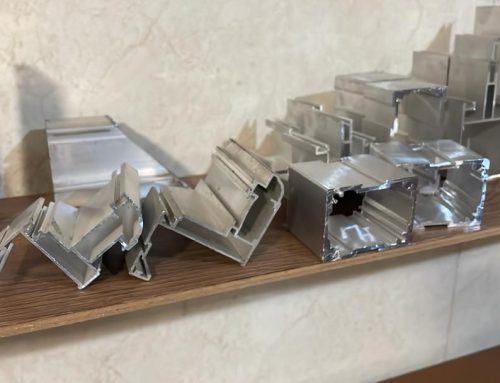
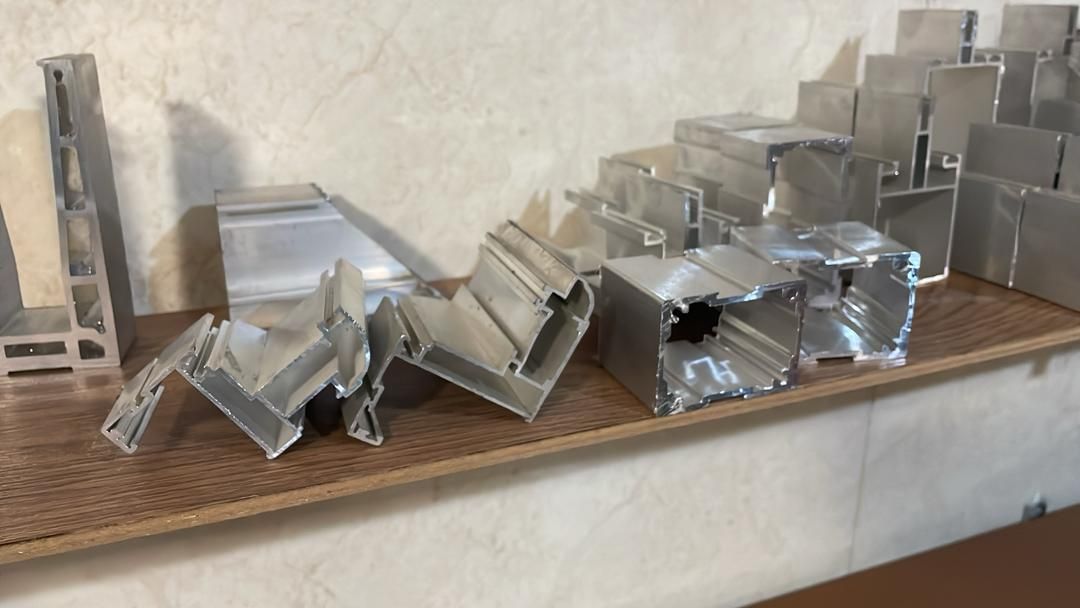
Louver profiles are slatted structures designed to allow air and light passage while blocking rain, direct sunlight, or unwanted views. They are commonly used in building facades, industrial facilities, and HVAC systems. The tools required for installing and fabricating louvers include cutting tools, fastening devices, and measurement instruments.
Types of Louver Profiles
- Aluminum Louvers – Lightweight, durable, and corrosion-resistant, ideal for exterior applications.
- Steel Louvers – Strong and robust, suitable for industrial environments.
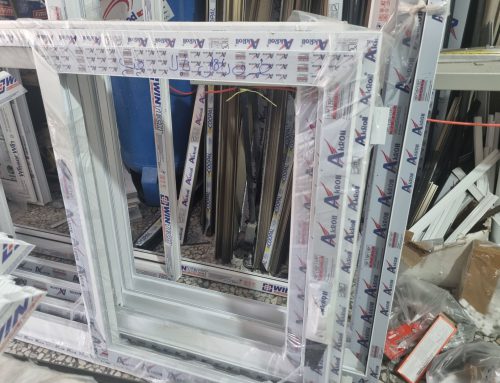
- Plastic and PVC Louvers – Cost-effective options for residential and light commercial use.
- Wood Louvers – Provide a natural and aesthetic appeal, often used in decorative applications.
- Glass Louvers – Used in modern architecture for a sleek, contemporary look while allowing maximum light penetration.
Essential Tools for Louver Installation
- Sawing and Cutting Tools – Circular saws, jigsaws, and band saws.
- Drills and Fasteners – Electric drills, screwdrivers, and rivets.
- Measurement Tools – Tape measures, laser levels, and angle finders.
- Finishing Tools – Sanding machines and polishing kits.
- Welding and Joining Tools – Essential for assembling metal louvers securely.
Market Demand and Target Audience
The demand for louver profiles spans various industries, including:
- Construction Companies – Use louvers for residential, commercial, and industrial buildings.
- Architects and Designers – Incorporate louvers into aesthetic and functional building designs.
- HVAC Contractors – Utilize louvers for air ventilation and conditioning systems.
- Retail and Wholesalers – Supply louvers and tools to end-users and contractors.
- Government and Infrastructure Projects – Public buildings, transport stations, and environmental projects increasingly use louvers for energy efficiency and durability.
Strategies for Selling Louver Profiles and Tools
1. Quality and Certification
Ensure that your louver profiles meet industry standards, such as ISO certifications and local building codes. High-quality products attract repeat customers and enhance brand reputation. Investing in high-grade materials and quality control processes ensures longevity and reliability.
2. Competitive Pricing and Bulk Discounts
Offering competitive pricing and bulk discounts can attract contractors and wholesalers who purchase in large volumes. Implementing a tiered pricing strategy based on order quantity can increase sales volume. Additionally, consider offering financing options or flexible payment plans for large orders.
3. Digital Marketing and Online Presence
Establishing an online presence is essential for reaching a broader audience. Consider the following digital marketing strategies:
- Website and E-commerce – Set up an online store where customers can browse and purchase products.
- SEO Optimization – Optimize product listings and content to rank higher on search engines.
- Social Media Marketing – Use platforms like LinkedIn, Facebook, and Instagram to showcase your products.
- Email Campaigns – Send promotional offers and product updates to existing customers.
- Video Content and Tutorials – Share installation guides, product demonstrations, and customer testimonials to engage potential buyers.
4. Partnering with Construction and HVAC Companies
Collaborating with builders, contractors, and HVAC professionals can help boost sales. Establish long-term relationships with industry players to secure ongoing orders. Offering volume-based discounts, loyalty programs, and referral incentives can strengthen these partnerships.
5. Offering Customization Services
Providing customized louver profiles tailored to specific project needs can differentiate your business from competitors. Offer various sizes, finishes, and materials to meet client preferences. Providing bespoke solutions for architectural projects can significantly increase sales and establish a premium market presence.
6. Excellent Customer Support and After-Sales Service
Ensuring a seamless customer experience is key to retaining clients. Offer:
- Technical support for installation guidance.
- Warranty and return policies to build trust.
- Quick response times for inquiries and orders.
- Regular maintenance packages for long-term clients who require ongoing support.
7. Expanding Distribution Channels
Consider multiple distribution channels, such as:
- Direct Sales – Selling to large contractors and project managers.
- Retail Stores – Stocking products in home improvement and construction supply stores.
- Online Marketplaces – Listing on platforms like Amazon, eBay, and Alibaba.
- Export Opportunities – Expanding sales to international markets with growing construction industries.
8. Sustainable and Eco-Friendly Options
With increasing awareness of environmental sustainability, offering eco-friendly louver profiles made from recycled materials or energy-efficient designs can attract environmentally conscious buyers. Highlighting these features in marketing materials can create a competitive edge.
Challenges and How to Overcome Them
1. Market Competition
The louver profile industry is highly competitive. Differentiating through product innovation, superior customer service, and effective branding can help stand out.
2. Fluctuating Raw Material Prices
Aluminum, steel, and other materials can have fluctuating prices. Establishing strong supplier relationships and bulk purchasing agreements can help mitigate cost variations.
3. Customer Education
Many potential buyers may not fully understand the benefits of different louver profiles. Providing detailed guides, consultation services, and training programs can enhance customer knowledge and drive sales.
4. Logistical and Shipping Challenges
Delivering large louver profiles requires careful handling and logistics. Partnering with reliable freight companies and offering local warehousing can improve delivery efficiency.
Future Trends in Louver Profile Sales
- Smart Louvers – Integration with IoT and automation for better energy efficiency and climate control.
- 3D Printed Louvers – Advanced manufacturing techniques allowing for complex, lightweight designs.
- Hybrid Materials – Combining different materials for improved performance and aesthetics.
Conclusion
Selling louver profiles and tools requires a blend of quality assurance, strategic marketing, and excellent customer service. By understanding market trends, leveraging digital marketing, and building strong industry relationships, businesses can successfully expand their reach and increase sales. Investing in superior products and innovative selling strategies will ensure long-term success in the competitive louver profile market. Emphasizing sustainability, technological advancements, and customized solutions can further enhance business growth and customer satisfaction.

Leave A Comment