
Implementation of curtain wall facade and production of aluminum sections
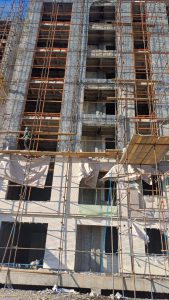
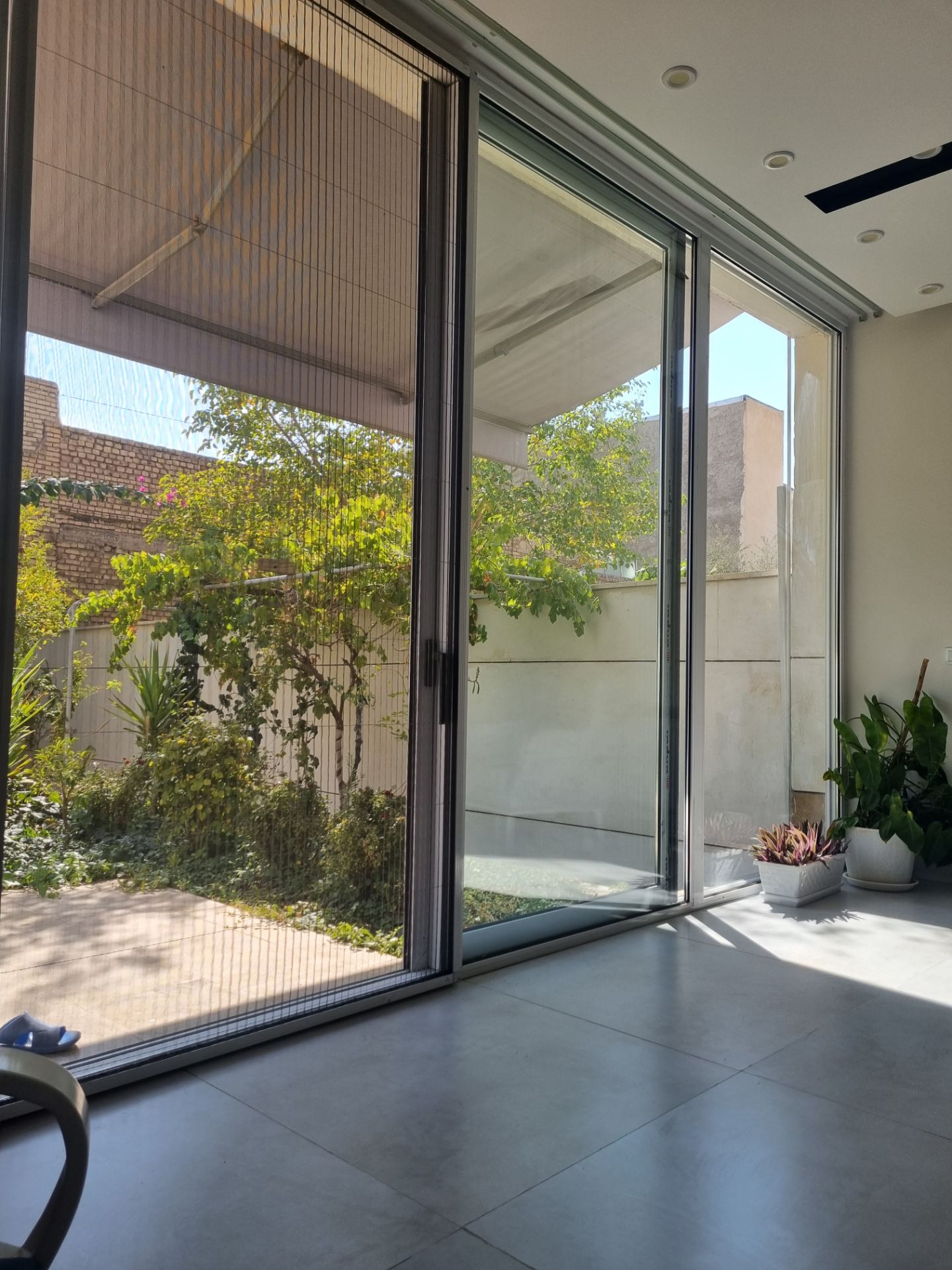
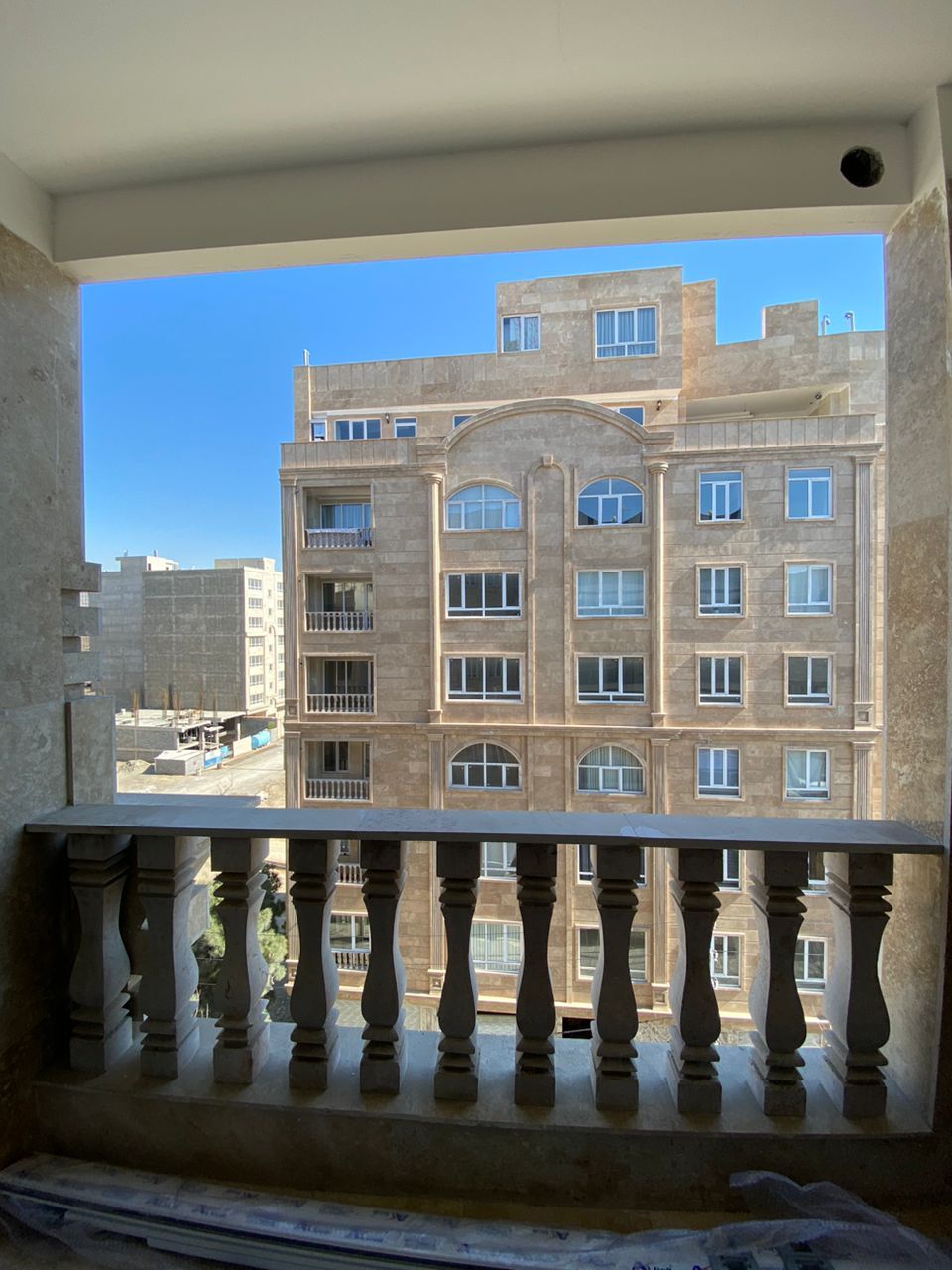
Implementation of curtain wall facade and production of aluminum sections Curtain wall facades have become an essential feature in modern architecture, offering aesthetic appeal, energy efficiency, and structural benefits. Made primarily of aluminum and glass, these facades provide lightweight yet durable solutions for high-rise buildings. The implementation of curtain wall facades involves careful planning, engineering precision, and advanced manufacturing techniques, particularly in the production of aluminum sections. This article delves into the installation of curtain wall systems and the manufacturing process of aluminum profiles.
Implementation of Curtain Wall Facade
The implementation of a curtain wall facade involves several critical steps:
1. Design and Engineering
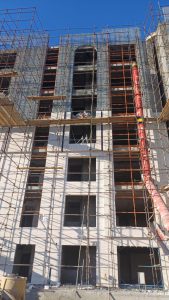
Before installation begins, architects and engineers collaborate to design a system that meets aesthetic, structural, and environmental requirements. Factors such as wind loads, thermal performance, and building movement are carefully considered. Structural calculations are made to ensure the system can withstand external pressures while remaining visually appealing.
2. Material Selection
Aluminum is the preferred material for curtain walls due to its lightweight properties, corrosion resistance, and ease of fabrication. Glass panels are chosen based on insulation, tinting, and UV protection requirements. In some cases, composite materials and steel reinforcements are used to enhance structural performance.
3. Fabrication of Components
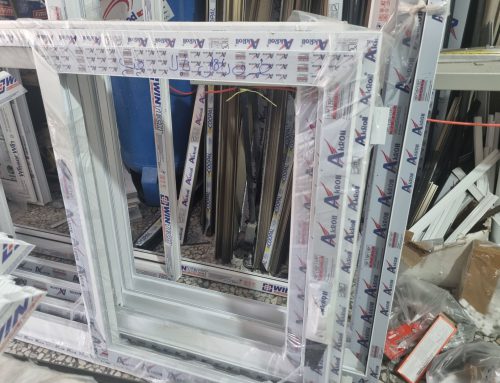
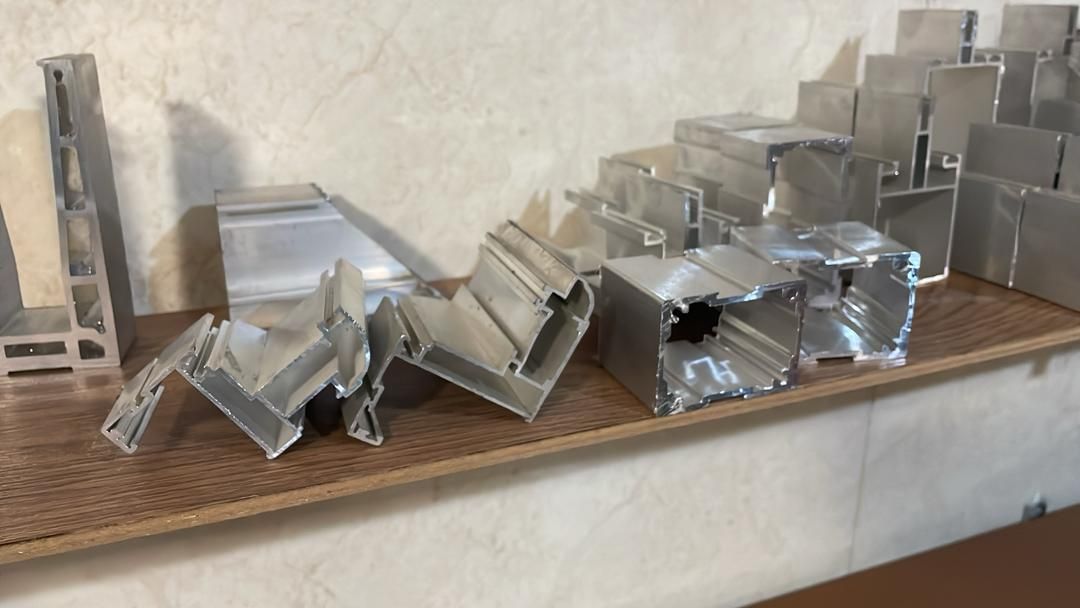
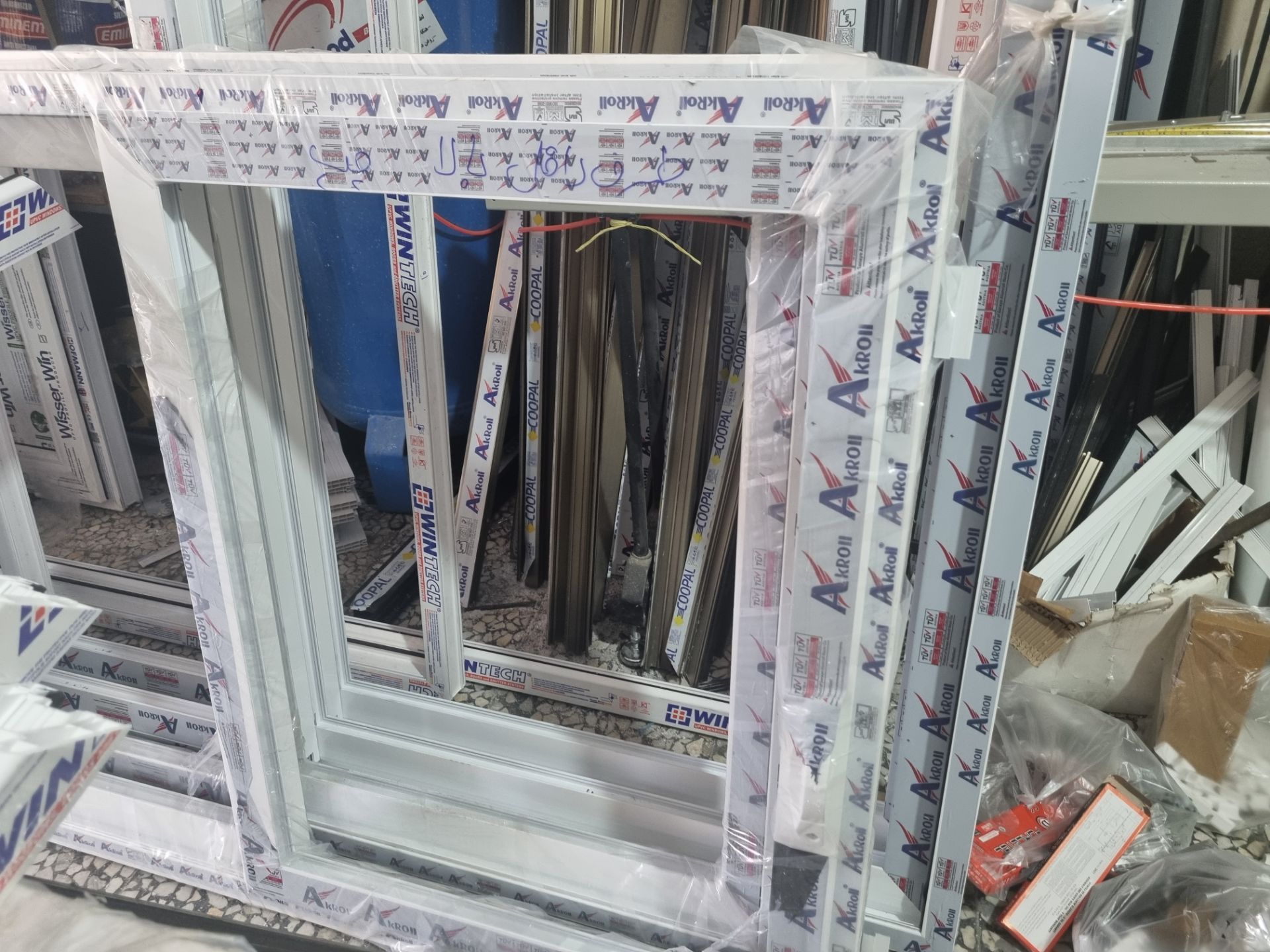
Aluminum sections are fabricated into specific profiles to accommodate glass panels and other structural elements. Precision in cutting, machining, and finishing ensures the proper fit and durability of the components. CNC machining and laser cutting are commonly used to achieve high precision in profile dimensions.
4. Installation Process
There are two primary methods for installing curtain walls:
- Stick System: Involves assembling aluminum frames and glass panels on-site. It provides flexibility but requires more labor and time. This method is preferred for smaller projects or where transportation of large prefabricated units is not feasible.
- Unitized System: Prefabricated panels are manufactured off-site and then installed as complete units, reducing installation time and improving quality control. This system enhances efficiency and is commonly used for large-scale projects.
5. Sealing and Weatherproofing
Sealants, gaskets, and insulation materials are applied to ensure airtightness and prevent water infiltration. Proper drainage systems are also integrated to manage condensation and rainfall. Advanced sealing techniques, including silicone structural glazing and EPDM rubber gaskets, enhance long-term performance and durability.
6. Thermal and Acoustic Performance
Modern curtain wall systems are designed to enhance energy efficiency and reduce noise pollution. Low-emissivity (Low-E) glass coatings, thermal breaks in aluminum profiles, and argon-filled double-glazed units significantly improve insulation properties. Acoustic insulation measures, such as laminated glass and special framing techniques, help minimize external noise.
7. Fire Resistance and Safety Standards
Fire safety is a critical aspect of curtain wall design. Many systems incorporate fire-resistant glass, intumescent coatings, and compartmentalization to prevent the spread of fire. Compliance with international fire safety regulations, such as ASTM E119 and EN 1364, ensures that curtain walls offer enhanced protection in emergency situations.
8. Quality Control and Maintenance
Once installed, curtain walls undergo rigorous testing for air leakage, water penetration, and structural integrity. Regular maintenance ensures the longevity and performance of the system. Inspections include sealant replacements, glass cleaning, and frame integrity assessments.
Production of Aluminum Sections
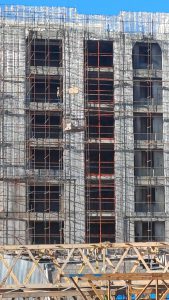
The production of aluminum sections involves several industrial processes to achieve the required strength, precision, and finish. The key steps in manufacturing aluminum profiles for curtain wall systems include:
1. Raw Material Preparation
Aluminum billets, primarily derived from recycled aluminum and bauxite ore, are melted and cast into cylindrical shapes for further processing. The quality of raw materials directly influences the strength and durability of the final product.
2. Extrusion Process
Extrusion is the primary method for shaping aluminum sections. In this process:
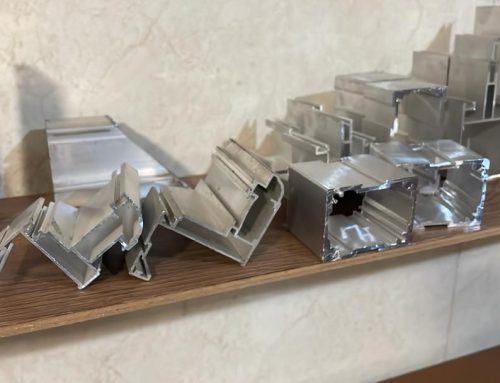
- Heated aluminum billets are forced through a die to create specific profile shapes.
- Profiles are cooled, straightened, and cut to the required lengths.
- Advanced extrusion techniques allow for the production of complex cross-sectional designs, enhancing the performance of curtain wall systems.
3. Surface Treatment
To enhance durability and aesthetic appeal, aluminum profiles undergo surface treatments such as:
- Anodizing: Provides a corrosion-resistant finish and enhances adhesion for further coatings.
- Powder Coating: Adds color and an extra protective layer.
- PVDF Coating: Used for superior weather resistance and longevity.
- Wood Grain and Decorative Finishes: Aesthetic treatments that mimic natural textures for unique architectural designs.
4. Precision Machining and Assembly
After surface treatment, profiles are machined with holes, slots, and fittings for easy assembly. Precision in this stage ensures seamless integration into curtain wall systems. CNC milling, drilling, and robotic welding are commonly used for high accuracy.
5. Testing and Quality Assurance
Before shipment, aluminum sections undergo rigorous quality checks, including:
- Dimensional Accuracy Testing: Ensures profiles meet design specifications.
- Mechanical Strength Evaluation: Verifies load-bearing capacity.
- Corrosion and Environmental Resistance Assessments: Simulates exposure to various environmental conditions to guarantee longevity.
- Adhesion and Coating Thickness Tests: Ensures durability of surface treatments.
- Impact and Wind Load Resistance Testing: Determines the ability of profiles to withstand extreme conditions.
6. Sustainability Considerations
Aluminum is a highly sustainable material, and manufacturers are focusing on environmentally friendly production methods. Recycling aluminum requires only 5% of the energy needed for primary production, significantly reducing the carbon footprint. Innovations in energy-efficient extrusion and coating technologies further enhance sustainability efforts. Additionally, advancements in low-carbon aluminum production and water-based coatings contribute to greener manufacturing processes.
Future Trends in Curtain Wall Facades
The curtain wall industry is continuously evolving, with new technologies and materials enhancing performance and design possibilities. Key trends include:
- Smart Facades: Integration of IoT-enabled sensors to monitor environmental conditions and adjust ventilation, shading, and lighting automatically.
- Photovoltaic Glass: Incorporation of solar panels within glass units to generate renewable energy.
- Adaptive and Dynamic Facades: Development of facades that respond to climate conditions, such as self-tinting glass and automated louvers.
- 3D Printing in Aluminum Manufacturing: Emerging technology for creating complex aluminum sections with minimal waste.
- High-Performance Thermal Insulation: Innovations in aerogel insulation and vacuum-insulated glass for enhanced energy efficiency.
- Hybrid Facade Systems: Combination of different materials and technologies to maximize energy efficiency and aesthetic appeal.
- AI-Driven Design Optimization: The use of artificial intelligence to optimize structural performance, sustainability, and cost-effectiveness.
Conclusion
The implementation of curtain wall facades and the production of aluminum sections are highly technical processes that require expertise, advanced machinery, and quality control measures. As modern architecture continues to evolve, the demand for efficient, sustainable, and aesthetically pleasing curtain wall systems will only increase. By leveraging advancements in aluminum extrusion and fabrication, manufacturers can contribute to safer, more energy-efficient, and visually striking building designs. The future of curtain walls lies in sustainable materials, energy-efficient designs, and smart integration, ensuring long-term benefits for both buildings and the environment.

Leave A Comment