
Roof design standards system construction zipline
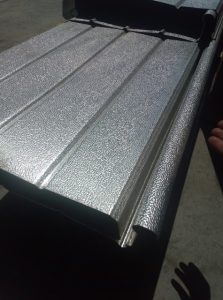
Introduction:
When it comes to constructing buildings, safety and efficiency are paramount considerations. Among the many aspects of a structure, the roof plays a critical role in protecting occupants from external elements. To ensure optimal performance, roof design standards and construction zipline systems have emerged as crucial components in the construction industry. This article explores the significance of adhering to roof design standards and implementing construction zipline systems, highlighting their benefits in enhancing safety, efficiency, and overall project success.
The Importance of Roof Design Standards:
Roof design standards encompass a set of guidelines and regulations established by industry authorities to promote safe and effective construction practices. These standards cover a wide range of aspects, including load-bearing capacity, structural integrity, insulation, waterproofing, ventilation, and more. Adhering to these standards is essential for several reasons:
- Safety: Compliance with roof design standards ensures that roofs are built to withstand external forces, such as wind, snow, and seismic activities. By following these guidelines, architects and engineers can create structurally sound roofs that minimize the risk of collapses or failures, safeguarding the lives of occupants and workers.
- Longevity and Durability: Design standards outline best practices for materials, installation methods, and maintenance procedures. By following these guidelines, construction professionals can ensure that roofs are built to last, reducing the need for frequent repairs and replacements.
- Energy Efficiency: Roof design standards often incorporate energy-efficient practices, such as insulation requirements and solar reflectance criteria. By adhering to these guidelines, buildings can achieve better thermal performance, leading to reduced energy consumption and lower heating or cooling costs.
Construction Zipline Systems:
In recent years, construction zipline systems have gained recognition as innovative tools that improve safety and efficiency during roof installation, maintenance, and repair work. These systems involve the use of cables, pulleys, harnesses, and safety equipment to enable workers to move horizontally or vertically along the roof surface. The advantages of construction zipline systems include:
- Safety and Fall Protection: Zipline systems provide a secure and reliable means for workers to access rooftops, reducing the risk of falls and accidents. The use of safety harnesses and lanyards ensures that workers are protected at all times, instilling confidence and peace of mind while working at heights.
- Enhanced Efficiency: Construction ziplines streamline roofing operations by eliminating the need for traditional methods, such as scaffolding or ladders. Workers can easily traverse the roof, accessing different areas with minimal effort and time, thereby accelerating project timelines and improving productivity.
- Accessibility to Challenging Areas: Roofs often have complex configurations, such as steep slopes, irregular shapes, or restricted spaces. Construction zipline systems allow workers to access these challenging areas safely, facilitating inspections, repairs, and installations that would otherwise be difficult or hazardous.
- Cost-Effectiveness: Implementing zipline systems can lead to cost savings by reducing the labor hours required for accessing and moving around the roof. The increased efficiency and reduced project duration translate into lower overall construction costs and improved project profitability.
Future Trends and Advancements:
As technology continues to advance, we can expect to see further developments in roof design standards and construction zipline systems. Here are a few potential future trends:
- Integration of Smart Technology: The integration of smart technology into roof design and construction processes holds immense potential. Sensors embedded in roofs could provide real-time data on structural integrity, moisture levels, and temperature variations, allowing for proactive maintenance and early detection of potential issues.
- Automated Construction Zipline Systems: The automation of construction zipline systems could revolutionize the roofing industry. Robotic platforms and drones could be employed to carry out inspections, perform routine maintenance tasks, and even assist with roofing installations. These advancements would not only improve worker safety but also enhance efficiency and accuracy in roof-related operations.
- Sustainable Roof Design Standards: With the increasing emphasis on sustainable building practices, future roof design standards are likely to incorporate more eco-friendly elements. This could include requirements for green roofing systems, such as vegetative roofs or solar panel installations, to promote energy efficiency and reduce environmental impact.
- Virtual Reality (VR) and Augmented Reality (AR): VR and AR technologies have the potential to revolutionize roof design and construction processes. Architects and engineers can utilize these tools to visualize and simulate roof structures in virtual environments, enabling better planning, coordination, and identification of potential design flaws before construction begins.
- Enhanced Safety Features: Advancements in construction zipline systems will likely focus on enhancing safety features. This may include the development of advanced harnesses, self-rescue mechanisms, and intelligent fall detection systems that can quickly respond in emergency situations.
Conclusion:
Roof design standards and construction zipline systems are vital components of the modern construction industry, ensuring safety, efficiency, and overall project success. Adhering to design standards ensures that roofs are structurally sound, durable, and energy-efficient. Meanwhile, construction zipline systems provide a secure means for workers to access rooftops, enhancing safety and productivity.
As the construction industry continues to evolve, we can anticipate future advancements that leverage technology, sustainability, and safety enhancements. From the integration of smart technology and automation to the use of virtual and augmented reality tools, these advancements will further enhance the effectiveness and efficiency of roof design and construction processes.
By embracing these future trends and continually improving roof design standards and construction zipline systems, the construction industry can ensure safer working conditions, more sustainable buildings, and improved project outcomes. Ultimately, prioritizing these advancements will contribute to the growth and advancement of the industry as a whole.



Leave A Comment