
Curtain wall Face cap |
Curtain wall Face cap
Curtainwall systems are exterior cladding systems used in modern high-rise buildings. These systems are designed to protect the building from environmental factors such as wind, rain, and extreme temperatures, while also providing an aesthetically pleasing exterior façade. Curtain walls consist of various components, including glass, metal framing, and gaskets, which work together to form a water-resistant barrier.
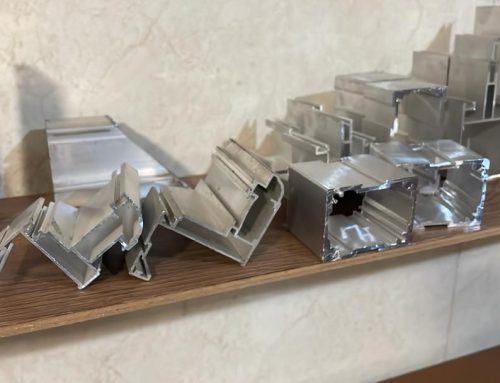
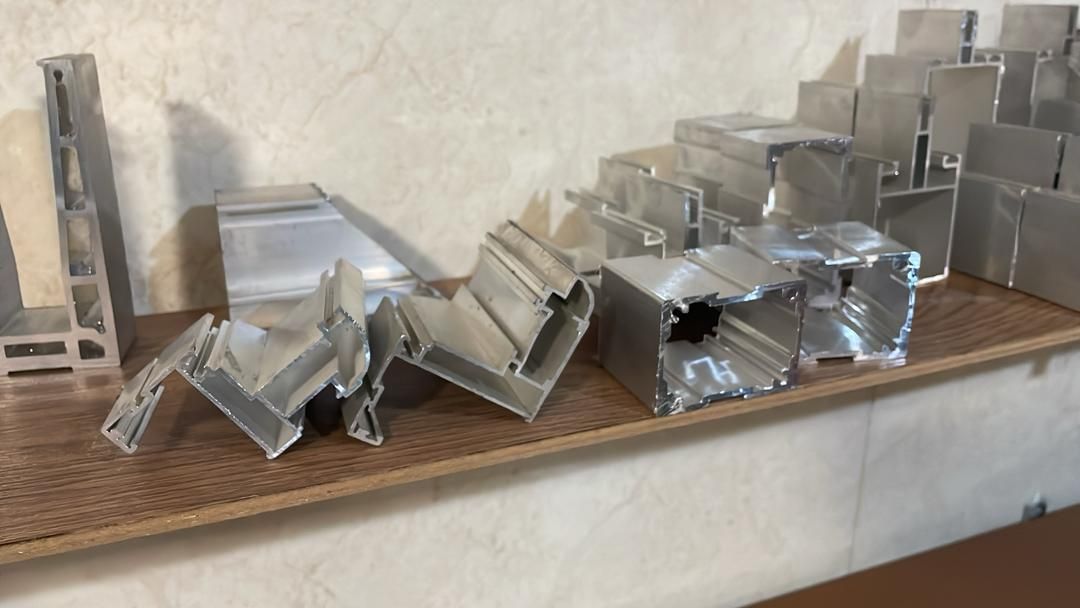
One crucial element of a curtain wall system is the face cap. The face cap is an extruded aluminum profile that covers the exposed face of the curtain wall. It is designed to protect the glass from the elements, provide a clean finish to the system, and improve its overall appearance.
In this article, we will discuss the importance of the face cap in curtain wall systems, its various types, and the factors that should be considered when selecting a face cap.
Importance of Face Cap in Curtain Wall Systems
The is an essential component of a curtain wall system. It is located at the front of the system and is the first line of defense against environmental factors. The face cap covers the exposed face of the curtain wall and protects the glass and other components from moisture, wind, and debris.
The primary function of a face cap is to prevent water from entering the curtain wall system. Water infiltration is one of the most significant concerns in building design, as it can lead to mold growth, deterioration of building materials, and other issues. The face cap, along with other components of the curtain wall, forms a water-resistant barrier that prevents water from penetrating the system.
In addition to protecting the system from water, the face cap also contributes to the aesthetic appeal of the building. It covers the metal framing and other components of the curtain wall and provides a clean finish to the system. The face cap can be customized to match the building’s architecture, making it an integral part of the building’s design.
Types of Face Caps
There are several types of face caps used in curtain wall systems. The selection of the face cap type depends on various factors, such as the building’s location, design, and performance requirements. The following are some of the most common types of face caps:
Pressure-equalized face cap: This type of face cap is designed to equalize the air pressure on both sides of the curtain wall system. It prevents water infiltration by forcing any water that enters the system out through the weep holes.
Beveled face cap: Beveled face caps are commonly used in sloped glazing systems. They have a beveled edge that helps to shed water and prevent it from pooling on the glass surface.
Bullnose face cap: Bullnose face caps have a rounded edge that gives the curtain wall system a more streamlined appearance. They are often used in buildings with a curved or irregular façade.
Flat face cap: Flat face caps are the most common type of used in curtain wall systems. They have a flat surface and are available in various sizes and colors. They provide a clean finish to the system and are suitable for most building designs.
Factors to Consider When Selecting a Face Cap
When selecting a face-cap for a curtain-wall system, several factors should be consider. These factors include the building’s location, design, and performance requirements. The following are some of the essential factors to consider:
Weather conditions: The face cap’s ability to resist weather conditions is a critical factor to consider. In areas with extreme weather conditions, such as high winds and heavy rain, a face cap with a pressure-equalize design is recommended.
Building design: The face cap’s design should match the building’s architecture and complement its overall appearance. The color and finish of the face cap should also be considerer to ensure it blends seamlessly with the building façade
Durability: The face cap should be durable and able to withstand the rigors of the environment. It should be make of high-quality materials that can resist corrosion and weathering.
Compatibility: The face cup should be compatible with other components of the curtain wall system. It should fit securely and be easy to install.
Energy efficiency: The face cap can contribute to the building’s energy efficiency by reducing the amount of heat gain or loss through the curtain wall system. A face cap with a thermal break can help to prevent energy loss and improve the building’s overall performance.
Maintenance: The face cap should be easy to maintain and clean. It should not require frequent cleaning or repairs.
Conclusion
In summary, the face cap is an essential component of a curtain wal system. It provides a clean finish to the system, protects the glass and other components from environmental factors, and contributes to the building’s overall appearance. When selecting a face cap, it is important to consider various factors such as the building’s location, design, and performance requirements. The face cap should be durable, weather-resistant, compatible with other components of the curtan wall system, and easy to maintain. With the right selection of a fece cap, a building’s curtain wall system can perform optimally and maintain its aesthetic appeal for years to come.
You can contact us to buy and sell these products:
Types and examples of curtain wall construction and execution
Building Facade|facade engineering|facade materials
Ceramics Facades|Handrails|Terracotta Facade|Thermowood
WPC Wood Plastic|facades glass|dryfacade (Aluminum Louvers)
Detailed technical and executive information for those interested
aluminum company producer
factory in Manufacture aluminum profile windows & door aluminum
Details of the Valid Aluminium Company of factory products
Also, Here are some of the capabilities of this company:
Valid Aluminium Company site
Curtain Wall|Frameless glass facade|Aluminum louver
Skylight glass|Dry ceramic|Dry stone|aluminum profile

Leave A Comment