
Precision Wave Cutting in Aluminum Profiles
Introduction:

In the world of manufacturing, precision and efficiency are paramount. One of the innovative techniques that has emerged to meet these demands is precision wave cutting in aluminum profiles. This cutting-edge technology is transforming the way aluminum components are manufactured, offering improved accuracy, speed, and versatility in various industries.
Precision Wave Cutting Explained:
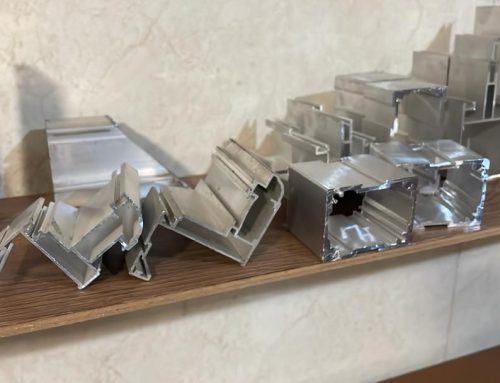
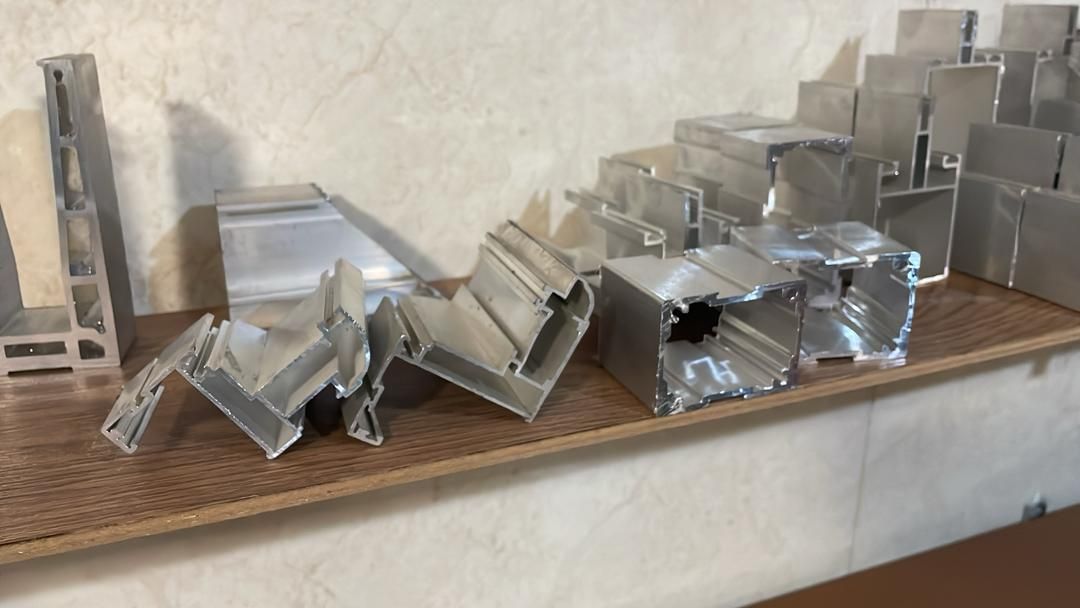
Precision wave cutting is a cutting technique that utilizes advanced machinery and software to create intricate patterns and shapes with utmost accuracy. When applied to aluminum profiles, this technique involves the use of high-powered lasers or water jets guided by computer-controlled systems. The result is a precise, clean cut that meets the tightest tolerances, making it ideal for applications where accuracy is crucial.
Advantages of Precision Wave Cutting in Aluminum Profiles:
- High Precision and Accuracy: Precision wave cutting excels in achieving intricate designs and precise measurements. The computer-guided systems ensure that each cut is made with exacting precision, reducing the margin of error significantly. This level of accuracy is essential in industries such as aerospace, automotive, and electronics, where tight tolerances are non-negotiable.
- Versatility in Design: The use of computer-aided design (CAD) software allows manufacturers to create a wide range of intricate patterns and shapes. This versatility is particularly beneficial in industries where customized aluminum profiles are required to meet specific project requirements. From complex geometries to intricate patterns, precision wave cutting offers unparalleled flexibility.
- Cost Efficiency: While the initial investment in precision wave cutting equipment may be significant, the long-term cost benefits are substantial. The high precision reduces material wastage, and the speed of the cutting process contributes to overall efficiency. This results in cost savings in both materials and labor, making precision wave cutting a financially prudent choice for many manufacturers.
- Reduced Material Distortion: Traditional cutting methods, such as sawing or milling, can generate heat and mechanical stresses that may distort the material. Precision wave cutting, especially when using lasers or water jets, produces minimal heat-affected zones. This characteristic ensures that the structural integrity of the aluminum profiles remains intact, even after the cutting process.
- Increased Production Speed: Precision wave cutting is significantly faster than many traditional cutting methods. The computer-controlled systems can execute cuts with high speed and efficiency, leading to increased production rates. This is particularly advantageous in industries with high-volume manufacturing demands.
Applications:
The applications of precision wave cutting in aluminum profiles are vast and varied. Some notable examples include:
- Aerospace Industry: Precision wave cutting is crucial in the aerospace industry, where lightweight yet strong components are required. The ability to create intricate designs and maintain tight tolerances makes it an ideal choice for manufacturing aircraft components and structural elements.
- Automotive Sector: The automotive industry benefits from precision wave cutting for producing components like chassis parts, engine components, and body panels. The versatility of the cutting technique allows for the creation of complex designs that enhance both aesthetics and functionality.
- Electronics Manufacturing: In the electronics industry, precision is paramount. Precision wave cutting is used to create aluminum profiles for electronic enclosures, heat sinks, and other components where tight tolerances are critical.
Challenges and Considerations:
While precision wave cutting in aluminum profiles offers numerous advantages, it’s essential to acknowledge some challenges and considerations associated with this advanced technique. These include the initial setup costs, the need for skilled operators to program and oversee the cutting process, and the maintenance of high-tech equipment. Additionally, the choice between laser and water jet cutting methods depends on factors such as material thickness, required precision, and the specific application, adding another layer of consideration for manufacturers.
Emerging Technologies:
The landscape of manufacturing is dynamic, with continuous advancements in technology. As precision wave cutting evolves, manufacturers can anticipate the integration of even more sophisticated features, such as real-time monitoring and adaptive control systems. These innovations aim to further enhance the precision, speed, and efficiency of the cutting process, pushing the boundaries of what is currently achievable.
Environmental Impact:
Precision wave cutting, particularly when utilizing lasers, may raise concerns about environmental impact. However, advancements in technology are leading to more energy-efficient systems and the implementation of sustainable practices. Manufacturers are increasingly adopting eco-friendly approaches, including the recycling of materials and the use of renewable energy sources, to mitigate the environmental footprint associated with precision wave cutting.
Regulatory Compliance:
As precision wave cutting gains prominence, it is crucial for manufacturers to stay abreast of regulatory standards and compliance requirements. Different industries and regions may have specific guidelines pertaining to the materials used, waste management, and overall manufacturing processes. Adhering to these regulations is not only a legal obligation but also ensures the production of safe and high-quality aluminum components.
Collaboration and Integration:
The successful implementation of precision wave cutting often involves collaboration between manufacturers, engineers, and designers. Integrating this cutting-edge technology seamlessly into existing production workflows requires a multidisciplinary approach. Open communication channels and collaborative efforts facilitate the exchange of knowledge and ideas, driving innovation in the field of aluminum profile manufacturing.
Case Studies:
Several real-world applications showcase the transformative impact of precision wave cutting in aluminum profiles. In the aerospace sector, companies have utilized this technology to produce intricate components for aircraft frames, reducing weight without compromising structural integrity. Automotive manufacturers have adopted precision wave cutting for crafting complex designs in lightweight aluminum body panels, contributing to improved fuel efficiency and overall vehicle performance.
Training and Skill Development:
The successful implementation of precision wave cutting relies on skilled operators who can program and monitor the cutting process effectively. Investing in training programs and skill development for manufacturing professionals is crucial to maximize the benefits of this technology. Industry partnerships with educational institutions can help foster the next generation of experts who will drive innovation in precision wave cutting and related fields.
Global Adoption:
The adoption of precision wave cutting is not limited to developed nations; emerging economies are also recognizing its potential benefits. As the technology becomes more accessible and affordable, manufacturers worldwide can integrate precision wave cutting into their operations, contributing to global advancements in manufacturing capabilities and competitiveness.
Quality Assurance and Continuous Improvement:
Quality assurance is paramount in precision manufacturing. Implementing robust quality control measures, including regular inspections and testing, ensures that the cut aluminum profiles meet the required specifications. Additionally, a commitment to continuous improvement allows manufacturers to refine their processes, address challenges, and stay at the forefront of technological advancements.
Industry Collaboration and Knowledge Exchange:
The future of precision wave cutting in aluminum profiles also hinges on increased collaboration between industry stakeholders and the exchange of knowledge. Forums, conferences, and collaborative projects can facilitate the sharing of best practices, insights, and the latest technological developments. This collaborative spirit not only accelerates the adoption of precision wave cutting but also fosters an environment of continuous improvement and innovation.
Integration with Industry 4.0:
As manufacturing enters the era of Industry 4.0, the integration of precision wave cutting with smart manufacturing technologies becomes a pivotal consideration. The implementation of data analytics, IoT (Internet of Things), and artificial intelligence can optimize production processes, enhance predictive maintenance capabilities, and provide real-time insights into manufacturing operations. This integration not only improves efficiency but also opens avenues for more sustainable and resource-efficient manufacturing practices.
Sustainability and Eco-Friendly Practices:
In response to the growing emphasis on sustainability, manufacturers are exploring ways to make precision wave cutting in aluminum profiles more environmentally friendly. This includes the adoption of eco-friendly materials, recycling initiatives, and the use of energy-efficient cutting technologies. By prioritizing sustainability, manufacturers can align with global initiatives aimed at reducing the environmental impact of industrial processes.
Rapid Prototyping and Customization:
The versatility of precision wave cutting allows for rapid prototyping and the quick production of customized aluminum profiles. This is particularly beneficial in industries where time-to-market is critical, such as consumer electronics and prototyping for innovative product designs. Manufacturers can leverage this capability to respond swiftly to market demands and stay ahead of the competition.
Global Supply Chain Resilience:
The COVID-19 pandemic highlighted the importance of resilient and adaptable supply chains. Precision wave cutting, with its efficiency and precision, contributes to supply chain resilience by enabling manufacturers to respond swiftly to disruptions. The ability to produce complex aluminum components with minimal lead time enhances a company’s agility in navigating challenges and ensures a more robust and resilient supply chain.
Closing Thoughts:
Precision wave cutting in aluminum profiles is more than a technological advancement; it is a catalyst for innovation, efficiency, and sustainability in manufacturing. As industries across the globe continue to embrace this cutting-edge technology, we can anticipate a future where precision manufacturing becomes the standard rather than the exception.
The ongoing evolution of precision wave cutting will be shaped by advancements in materials, software, and collaborative efforts within the manufacturing ecosystem. From aerospace engineering to electronics manufacturing, the applications are vast, and the benefits are far-reaching. As precision wave cutting becomes more accessible and integrated into manufacturing workflows, it will undoubtedly redefine what is possible in terms of product design, customization, and overall manufacturing efficiency.
In conclusion, the journey of precision wave cutting in aluminum profiles is an exciting trajectory toward a future where precision meets versatility, and innovation meets sustainability. As manufacturers, researchers, and policymakers continue to collaborate and push the boundaries of what is achievable, we are witnessing the dawn of a new era in manufacturing, one where precision is not just a goal but a fundamental expectation.





Leave A Comment