
Aluminum plates, without foil

Introduction:
When we think of aluminum, the first image that often comes to mind is the familiar kitchen foil used to wrap leftovers or line baking sheets. However, aluminum’s utility extends far beyond the realm of the kitchen, with aluminum plates playing a crucial role in various industries and applications. In this article, we will explore the versatility and strength of aluminum plates, shedding light on their diverse uses beyond the household foil.
Properties of Aluminum Plates:
Aluminum plates are crafted from high-strength aluminum alloys, making them durable, lightweight, and corrosion-resistant. These plates come in various thicknesses and sizes, catering to a wide range of applications across different industries. Unlike aluminum foil, which is thin and flexible, aluminum plates are rigid and sturdy, offering enhanced structural integrity.
Industrial Applications:
- Aerospace Industry: Aluminum plates are extensively used in the aerospace industry due to their excellent strength-to-weight ratio. They play a pivotal role in manufacturing aircraft components, ranging from fuselage panels to wing structures. The lightweight nature of aluminum plates contributes to fuel efficiency and overall performance in the aviation sector.
- Automotive Sector: In the automotive industry, aluminum plates find applications in the production of vehicle body panels, chassis components, and heat exchangers. Their corrosion resistance and malleability make them an ideal choice for car manufacturers aiming to reduce weight while maintaining structural integrity.
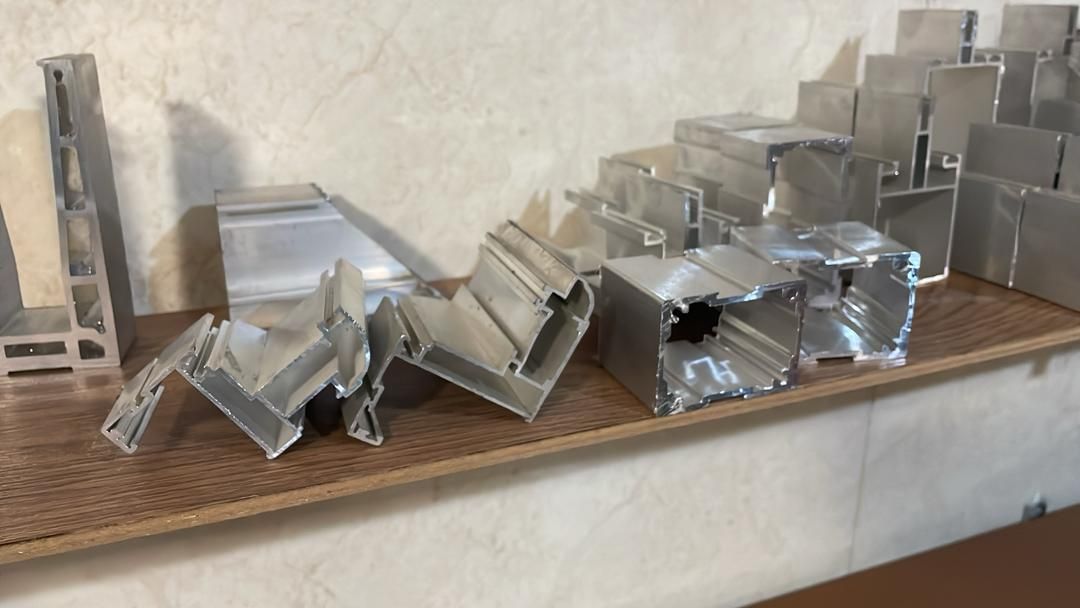
- Construction and Architecture: Aluminum plates are widely employed in the construction and architectural sectors for roofing, cladding, and structural components. Their resistance to corrosion and ability to withstand harsh weather conditions make them a preferred material for outdoor applications.
- Marine Industry: The marine industry relies on aluminum plates for building ship structures, hulls, and various marine components. The corrosion-resistant properties of aluminum make it well-suited for prolonged exposure to saltwater and other harsh marine environments.
- Electronics and Electrical Engineering: Aluminum plates are used in the electronics industry for manufacturing heat sinks, electronic enclosures, and other components requiring efficient heat dissipation. Their thermal conductivity and lightweight nature contribute to the overall performance and longevity of electronic devices.
Environmental Considerations:
In addition to their mechanical properties, aluminum plates also offer environmental advantages. Aluminum is highly recyclable, and the recycling process requires significantly less energy compared to the extraction of raw aluminum. This recyclability contributes to sustainable practices and reduces the overall environmental impact associated with material production.
In recent years, the push towards eco-friendly and sustainable solutions has led industries to embrace aluminum as a key material. The ability to recycle and repurpose aluminum plates aligns with global efforts to reduce waste and promote circular economies.
Technological Advancements:
As technology continues to advance, so does the demand for materials that can meet evolving requirements. Aluminum plates have adapted to these challenges through ongoing research and development efforts. New alloys and manufacturing techniques are constantly being explored to enhance the performance and capabilities of aluminum plates in various applications.
Future Prospects:
The future prospects for aluminum plates look promising, driven by a combination of their inherent properties and the increasing demand for lightweight, durable materials. Industries such as aerospace, automotive, and construction are likely to continue incorporating aluminum plates into their designs to achieve improved efficiency, fuel economy, and structural integrity.
Moreover, ongoing innovations in alloy compositions and fabrication methods may lead to even stronger, more resilient aluminum plates, expanding their applications further. As a result, aluminum is poised to maintain its status as a material of choice for a wide range of industrial and technological advancements.
The Diverse World of Aluminum Plates:
Beyond their structural applications, aluminum plates also find uses in diverse sectors that may not immediately come to mind. Let’s delve into some specialized applications that showcase the adaptability of aluminum plates:
- Medical Equipment: Aluminum plates are employed in the healthcare industry for manufacturing various medical devices and equipment. From lightweight yet sturdy frames for portable diagnostic machines to components used in surgical instruments, aluminum’s properties make it an ideal choice for these applications.
- Transportation Infrastructure: Aluminum plates contribute to the construction of transportation infrastructure, including bridges, railings, and traffic signs. Their corrosion resistance ensures longevity, while their lightweight nature simplifies transportation and installation, reducing the overall environmental impact of these projects.
- Sporting Goods: The sporting goods industry benefits from the versatility of aluminum plates, using them in the production of bicycle frames, sports equipment, and outdoor gear. The combination of strength and lightness makes aluminum a favored material for manufacturing components that require durability without compromising performance.
- Energy Sector: Aluminum plates play a role in the energy sector, particularly in the production of solar panels and heat exchangers. Their ability to withstand extreme temperatures and resist corrosion makes them valuable in renewable energy applications, contributing to the development of sustainable energy solutions.
- Art and Design: The malleability of aluminum plates makes them a popular choice for artists and designers. Sculptors appreciate the material’s ability to hold intricate shapes, while architects use it for creating aesthetically pleasing facades and decorative elements.
Challenges and Innovations:
While aluminum plates boast numerous benefits, challenges persist, such as the energy-intensive process of aluminum extraction. Innovations in recycling technologies and sustainable sourcing practices are addressing these concerns, paving the way for a more environmentally conscious use of aluminum.
Additionally, ongoing research is focused on developing advanced alloys with enhanced properties, such as increased strength, improved heat resistance, and greater formability. These innovations aim to broaden the scope of aluminum applications, making it an even more attractive choice across industries.
Addressing Environmental Concerns:
Despite the many advantages of aluminum plates, it’s essential to acknowledge and address environmental concerns associated with aluminum production. The extraction of raw aluminum involves significant energy consumption, contributing to greenhouse gas emissions. However, the industry is actively working on mitigating these environmental impacts.
One key strategy is the emphasis on recycling. Aluminum is highly recyclable, and recycled aluminum requires only a fraction of the energy needed for primary production. As recycling technologies advance and collection systems improve, the aluminum industry is making strides toward a more sustainable and circular approach.
Furthermore, research is ongoing to develop more environmentally friendly extraction methods and alternative alloys with reduced environmental footprints. These initiatives underscore the commitment of the aluminum industry to balance the material’s essential role in various applications with environmental stewardship.
Global Impact and Economic Significance:
The global demand for aluminum plates has a significant impact on economies around the world. Aluminum production and its downstream applications generate employment opportunities, foster technological innovation, and contribute to economic growth. As developing countries increase their infrastructure investments and industrialization, the demand for aluminum is expected to rise, further shaping the global economic landscape.
Trade dynamics also play a crucial role, with aluminum being a widely traded commodity. This fosters international collaboration and economic interdependence as countries exchange raw materials, semi-finished products, and finished goods made from aluminum.
Embracing Sustainability:
The aluminum industry’s journey toward sustainability is a critical aspect of its future trajectory. Increased awareness of environmental impacts has led manufacturers to adopt sustainable practices throughout the production cycle. From responsible sourcing of raw materials to energy-efficient manufacturing processes, the industry is aligning itself with global sustainability goals. This shift not only addresses environmental concerns but also responds to consumer preferences for products and materials with lower ecological footprints.
Educating and Engaging:
An essential component of the future of aluminum plates lies in educating stakeholders and fostering engagement. As consumers become more conscious of the materials used in the products they purchase, transparency in the supply chain becomes crucial. Manufacturers and industry associations have a role in communicating the sustainability efforts undertaken, ensuring that consumers are well-informed and empowered to make environmentally responsible choices.
Regulatory Landscape:
The regulatory landscape also plays a pivotal role in shaping the future of aluminum. Governments around the world are increasingly focusing on environmental regulations and standards. This includes emissions reduction targets, waste management policies, and circular economy initiatives. The aluminum industry must adapt to and even lead these changes, demonstrating a commitment to compliance and environmental stewardship.
Technological Advancements:
Continued technological advancements will be a driving force in the evolution of aluminum plates. Researchers are exploring nanotechnology and advanced manufacturing techniques to further enhance the properties of aluminum. This includes developing alloys with superior strength, corrosion resistance, and other tailored characteristics to meet specific industry requirements. The integration of smart technologies for monitoring and optimizing the manufacturing process is another area of exploration.
Collaboration and Innovation:
The future success of aluminum plates also hinges on collaboration and innovation within and beyond the industry. Cross-sector partnerships, research collaborations, and knowledge sharing can accelerate progress. Innovations in one industry, such as aerospace or automotive, can have ripple effects, influencing advancements in other sectors.
Global Trends and Market Dynamics:
Understanding global trends and market dynamics is crucial for anticipating the demand for aluminum plates. As urbanization, infrastructure development, and technological advancements continue, the demand for lightweight, durable materials is likely to grow. Monitoring these trends allows manufacturers to adapt their strategies and offerings to meet evolving market needs.
Adapting to Circular Economy Principles:
Looking ahead, the aluminum industry is poised to play a vital role in the global transition toward a circular economy. Circular economy principles prioritize reducing waste, promoting recycling, and extending the lifespan of products. Aluminum’s inherent recyclability aligns perfectly with these principles, making it a key player in sustainable material cycles. Increased focus on closed-loop systems and improved recycling infrastructure will further enhance the environmental credentials of aluminum plates.
Resilience in the Face of Challenges:
The aluminum industry, like any other, will face challenges on its journey forward. Fluctuating raw material prices, geopolitical uncertainties, and shifts in consumer behavior are all potential challenges that necessitate a resilient and adaptive approach. Diversification of supply chains, investment in research and development, and strategic partnerships will be crucial elements in navigating these challenges and ensuring the continued growth and stability of the aluminum plate industry.
Social Responsibility and Ethical Practices:
Beyond environmental considerations, the future of aluminum plates also involves a commitment to social responsibility and ethical practices. This includes ensuring fair labor practices throughout the supply chain, prioritizing worker safety, and contributing to the well-being of local communities. Manufacturers that embrace these values are likely to gain a competitive edge as consumers increasingly factor in ethical considerations when making purchasing decisions.
Customization and Tailored Solutions:
As industries become more specialized, the demand for customized and tailored solutions will rise. Aluminum plates, with their versatility and adaptability, are well-positioned to meet this demand. Manufacturers that can provide bespoke solutions, whether in terms of alloy composition, size, or surface treatments, will be at the forefront of meeting the unique requirements of diverse applications.
The Role of Education and Training:
In ensuring the sustainable and efficient use of aluminum plates, education and training will be paramount. This includes training for professionals in industries that heavily rely on aluminum, as well as educational programs that inform the next generation of engineers, designers, and manufacturers about the benefits and potential of aluminum. A well-informed workforce will be better equipped to harness the full capabilities of aluminum plates and drive further innovation.
Global Collaboration for Sustainable Development:
The future of aluminum plates is inherently interconnected with broader global challenges and opportunities. International collaboration among governments, industries, and organizations will be essential for addressing common issues, sharing best practices, and fostering a collective commitment to sustainable development. Initiatives that promote knowledge exchange, technology transfer, and collaborative research will contribute to a more sustainable and resilient future.
Conclusion and Future Perspectives:
In conclusion, the world of aluminum plates extends far beyond the kitchen, encompassing a wide array of industries and applications. From the skies to our daily commute, from healthcare to renewable energy, aluminum plates play a pivotal role in shaping the modern world. As industries continue to innovate and address environmental concerns, the future of aluminum plates looks promising.
In the coming years, we can expect advancements in recycling technologies, the development of more sustainable extraction processes, and the exploration of novel applications. The ongoing commitment to research and development ensures that aluminum will remain a key player in material science, contributing to a more sustainable, efficient, and resilient future across diverse sectors worldwide.





Leave A Comment