
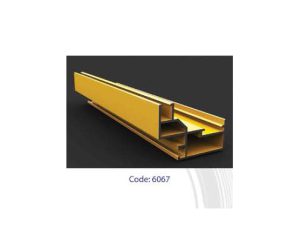
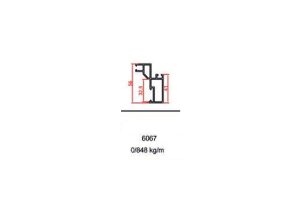
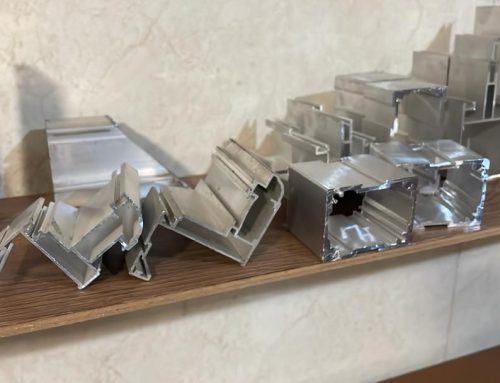
opening vent profile
Introduction:
Curtain wall systems have become an integral part of modern architecture, providing aesthetic appeal and functional benefits to buildings. One crucial element that contributes significantly to the performance and versatility of curtain wall systems is the incorporation of opening vent profiles. These innovative features not only enhance natural ventilation but also contribute to energy efficiency, occupant comfort, and overall building sustainability.
Understanding Curtain Wall Systems:
Curtain wall systems are non-structural exteriors used to cover buildings and are designed to protect occupants from weather conditions while allowing natural light to penetrate the interior. These systems typically consist of aluminum or steel frames with glass or other cladding materials. While curtain walls are renowned for their transparency and sleek design, the inclusion of opening vent profiles takes their functionality to a new level.
The Role of Opening Vent Profiles:
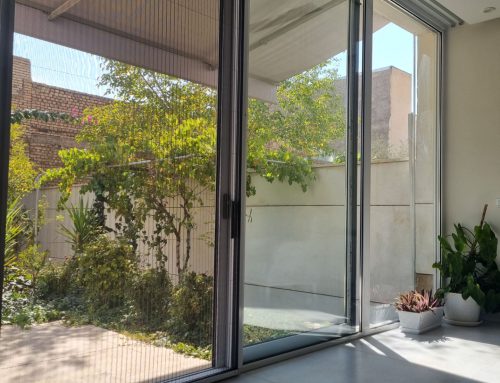
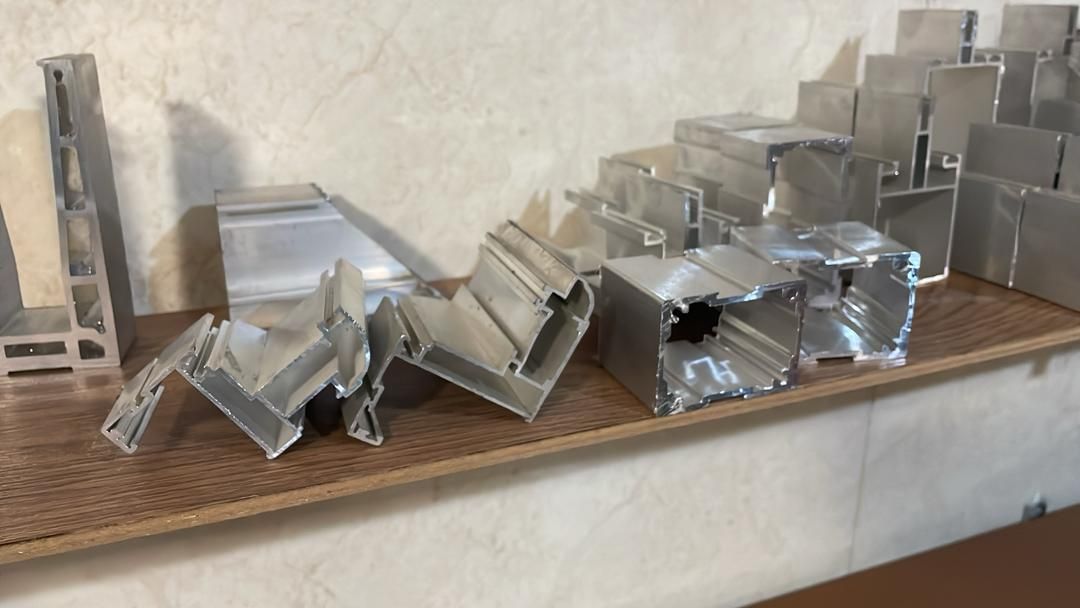
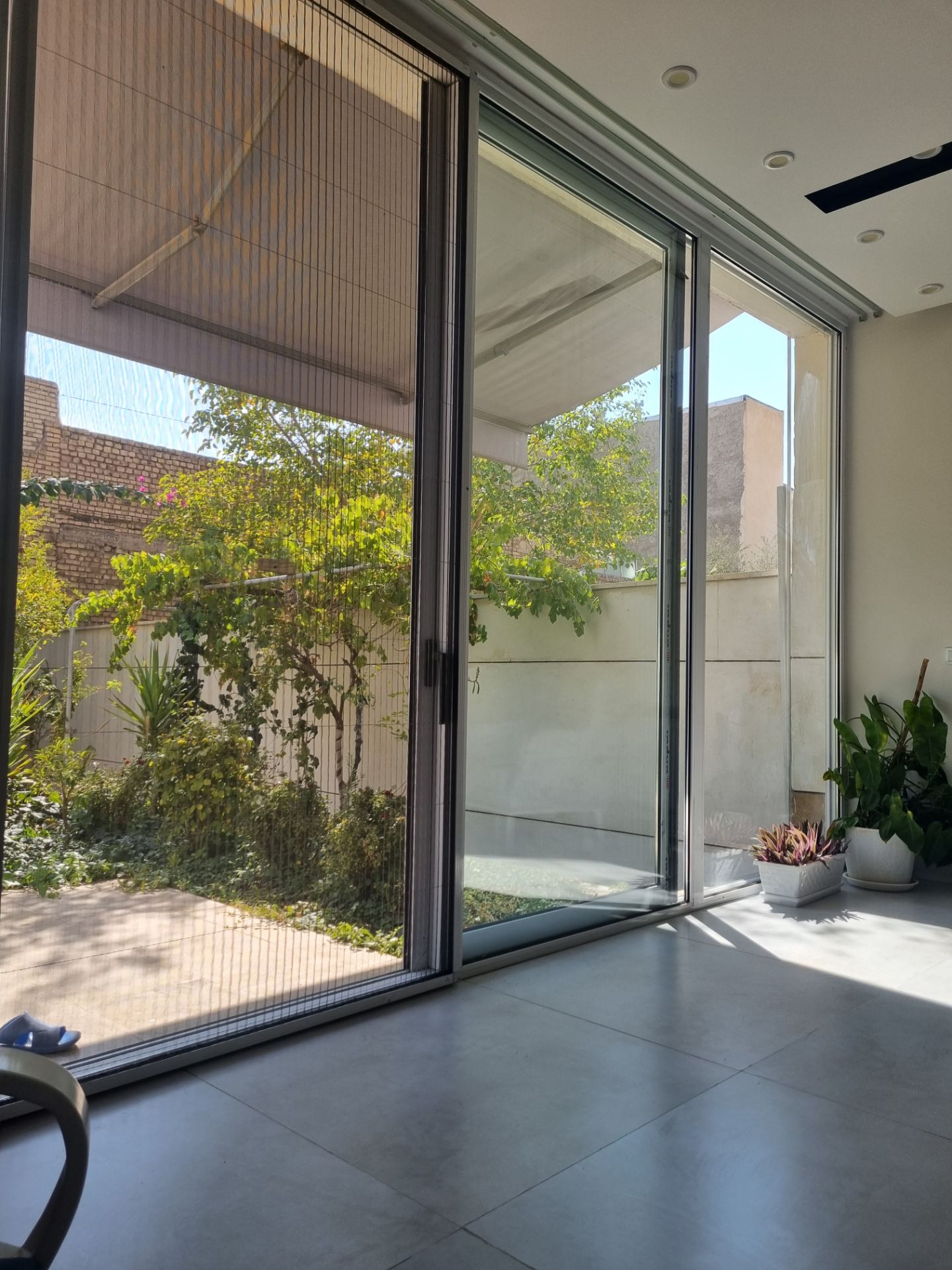
Opening vent profiles are specially designed sections within the curtain wall system that allow for the controlled movement of panels or sections to create openings. These openings facilitate the exchange of indoor and outdoor air, promoting natural ventilation. This feature is particularly important in enhancing indoor air quality, reducing reliance on mechanical ventilation, and optimizing energy consumption.
Key Advantages:
- Improved Indoor Air Quality: Opening vent profiles enable a controlled influx of fresh outdoor air, reducing the reliance on mechanical ventilation systems. This not only improves indoor air quality but also contributes to a healthier and more comfortable indoor environment for occupants.
- Energy Efficiency: By incorporating opening vent profiles, buildings can take advantage of natural ventilation, reducing the need for mechanical heating, ventilation, and air conditioning (HVAC) systems. This results in lower energy consumption and operational costs, contributing to the overall sustainability of the building.
- Occupant Comfort: The ability to control the opening and closing of vent profiles allows occupants to tailor the indoor environment to their preferences. This flexibility enhances occupant comfort, creating a more pleasant and adaptable living or working space.
- Daylighting and Views: Opening vent profiles can be strategically placed to optimize natural daylighting and provide occupants with views of the surrounding environment. This not only enhances the aesthetic appeal of the building but also contributes to the well-being and productivity of its occupants.
- Emergency Ventilation: In the event of an emergency, such as a fire, opening vent profiles can serve as emergency ventilation routes, allowing smoke and heat to escape and facilitating safe evacuation procedures.
Challenges and Considerations:
While opening vent profiles offer numerous benefits, their integration requires careful consideration and thoughtful design. Some key factors to keep in mind include:
- Weather Resistance: Opening vent profiles must be designed to withstand various weather conditions, including wind, rain, and extreme temperatures. Proper seals and weather-stripping are crucial to prevent water infiltration and maintain the integrity of the building envelope.
- Security: Security concerns, such as unauthorized access, need to be addressed. Designing opening vent profiles with robust locking mechanisms and security features is essential to ensure the safety of occupants and protect the building against potential threats.
- Maintenance: Regular maintenance is vital to ensure the continued functionality of opening vent profiles. Components should be easily accessible for cleaning, lubrication, and any necessary repairs. Proper maintenance practices will extend the lifespan of the curtain wall system and its vent profiles.
- Acoustic Performance: Depending on the building’s location and function, acoustic considerations are crucial. Opening vent profiles should be designed to minimize noise infiltration while still allowing for adequate ventilation.
Innovations in Opening Vent Profiles:
Recent advancements in building technology have led to the development of smart and automated opening vent profiles. These systems can be integrated with building management systems (BMS) to optimize ventilation based on indoor air quality, occupancy levels, and external weather conditions. Automated vent profiles enhance the overall efficiency of the building’s environmental control systems and contribute to a more responsive and sustainable built environment.
Case Studies:
Several buildings around the world showcase the successful integration of opening vent profiles in curtain wall systems. For instance, the Edge in Amsterdam features a state-of-the-art ventilation system that utilizes automated vent profiles to regulate indoor air quality and temperature. The success of such projects underscores the importance of thoughtful design and integration of opening vent profiles in creating high-performance, environmentally conscious buildings.
Future Trends and Sustainable Outlook:
Looking ahead, the integration of opening vent profiles in curtain wall systems is likely to evolve in response to emerging technologies and sustainability goals. Future trends may include the use of advanced materials with enhanced thermal properties, the incorporation of renewable energy sources for powering automated systems, and the development of even more sophisticated building management systems.
Sustainable design practices are gaining prominence in the construction industry, and opening vent profiles align seamlessly with these principles. Architects and developers are increasingly seeking ways to reduce the carbon footprint of buildings, and the integration of natural ventilation through opening vent profiles contributes significantly to this goal. As governments and organizations worldwide continue to emphasize sustainability in building codes and standards, the demand for environmentally friendly design solutions is expected to rise, further promoting the adoption of opening vent profiles.
Global Impact on Urban Living:
The impact of opening vent profiles extends beyond individual buildings; it plays a role in shaping the overall urban environment. In densely populated urban areas, where air quality and congestion are significant concerns, the use of curtain wall systems with effective opening vent profiles can contribute to creating healthier and more livable cities. The ability to harness natural ventilation helps mitigate the urban heat island effect and promotes a more sustainable and resilient urban infrastructure.
Regulatory Landscape and Certification:
With an increasing emphasis on sustainable construction practices, regulatory bodies are likely to introduce or enhance standards related to natural ventilation and curtain wall systems. Certification programs that recognize buildings for their sustainable features, including the effective use of opening vent profiles, may become more prevalent. Compliance with these standards not only ensures the environmental performance of buildings but also adds value to properties by demonstrating a commitment to energy efficiency and occupant well-being.
Continued Progress: Research and Development:
The field of architectural innovation is ever-evolving, and ongoing research and development efforts are likely to further enhance the capabilities of opening vent profiles. Collaborations between architects, engineers, and material scientists may lead to the discovery of new materials that offer improved thermal performance, durability, and sustainability. Additionally, the integration of artificial intelligence (AI) and data analytics into building systems could result in more sophisticated and adaptive opening vent profiles, optimizing ventilation strategies based on real-time data.
User Education and Awareness:
The successful implementation of opening vent profiles also depends on user awareness and education. Building occupants should be familiar with the benefits of natural ventilation and understand how to use the features effectively. As part of sustainable building practices, educational campaigns and user manuals can contribute to maximizing the positive impact of opening vent profiles, ensuring that occupants are actively engaged in creating a healthier and more efficient indoor environment.
Cost Considerations and Return on Investment:
While the benefits of opening vent profiles are substantial, there may be initial cost considerations associated with their installation. Architects, developers, and building owners need to evaluate the long-term return on investment, considering factors such as energy savings, increased property value, and occupant satisfaction. As sustainable building practices become more mainstream, the upfront costs of integrating opening vent profiles may decrease, making them a more financially viable option for a broader range of projects.
Global Adaptation and Cultural Influences:
The adoption of opening vent profiles is likely to vary across different regions based on climate, cultural preferences, and local building practices. In regions with temperate climates, the emphasis may be on optimizing natural ventilation, while in extreme climates, additional considerations such as insulation and weatherproofing become crucial. Cultural preferences for open spaces, indoor-outdoor living, and architectural aesthetics will also influence the widespread adoption of opening vent profiles globally.
Closing Thoughts:
In conclusion, the integration of opening vent profiles in curtain wall systems is a testament to the evolving nature of architectural design and the industry’s commitment to sustainability. These profiles offer a holistic approach to building performance, addressing not only the structural and aesthetic aspects but also the environmental and human-centric considerations.
As architects and developers continue to push the boundaries of innovation, opening vent profiles will likely remain a focal point in the quest for creating buildings that are not just structures but dynamic, responsive living spaces. Their impact extends far beyond the immediate benefits of improved ventilation, influencing the overall trajectory of sustainable construction practices and urban planning.
In the years to come, the evolution of opening vent profiles will be intertwined with broader advancements in construction technology, materials science, and environmental awareness. This journey towards more sustainable, energy-efficient, and occupant-friendly buildings is a collective effort, and opening vent profiles are a tangible embodiment of the industry’s commitment to a better and more resilient built environment.



Leave A Comment