
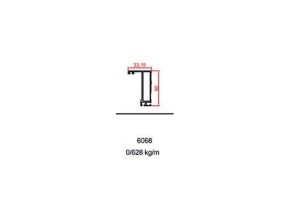
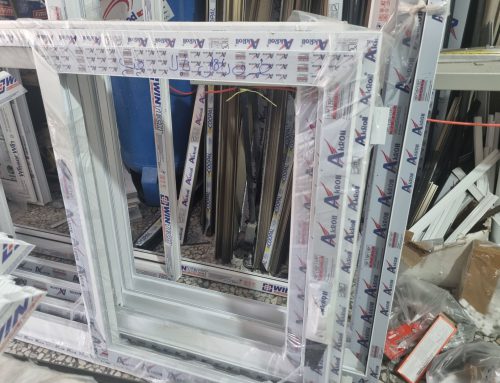
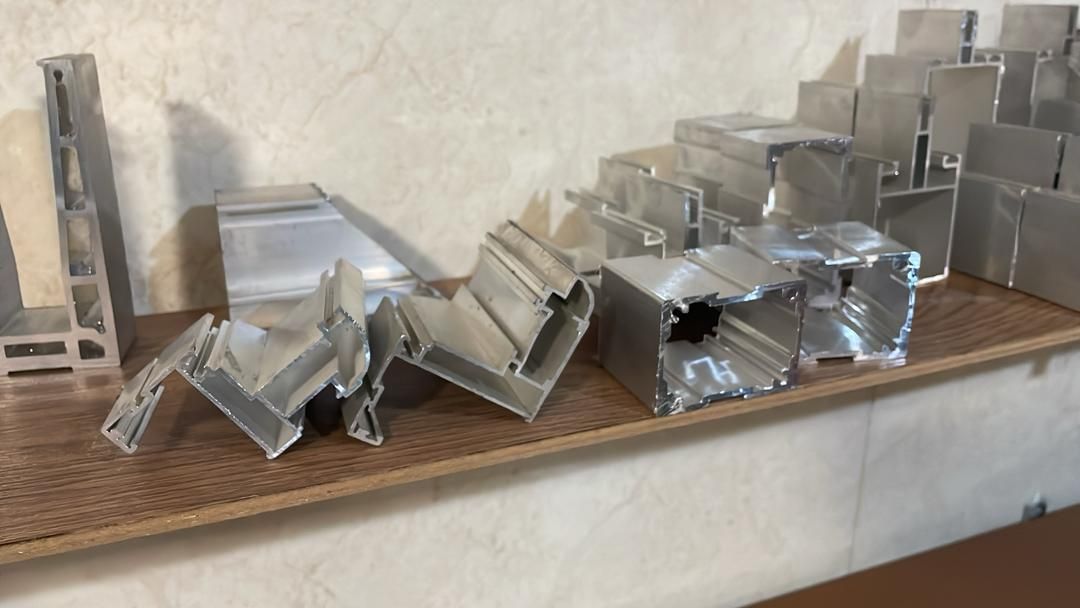
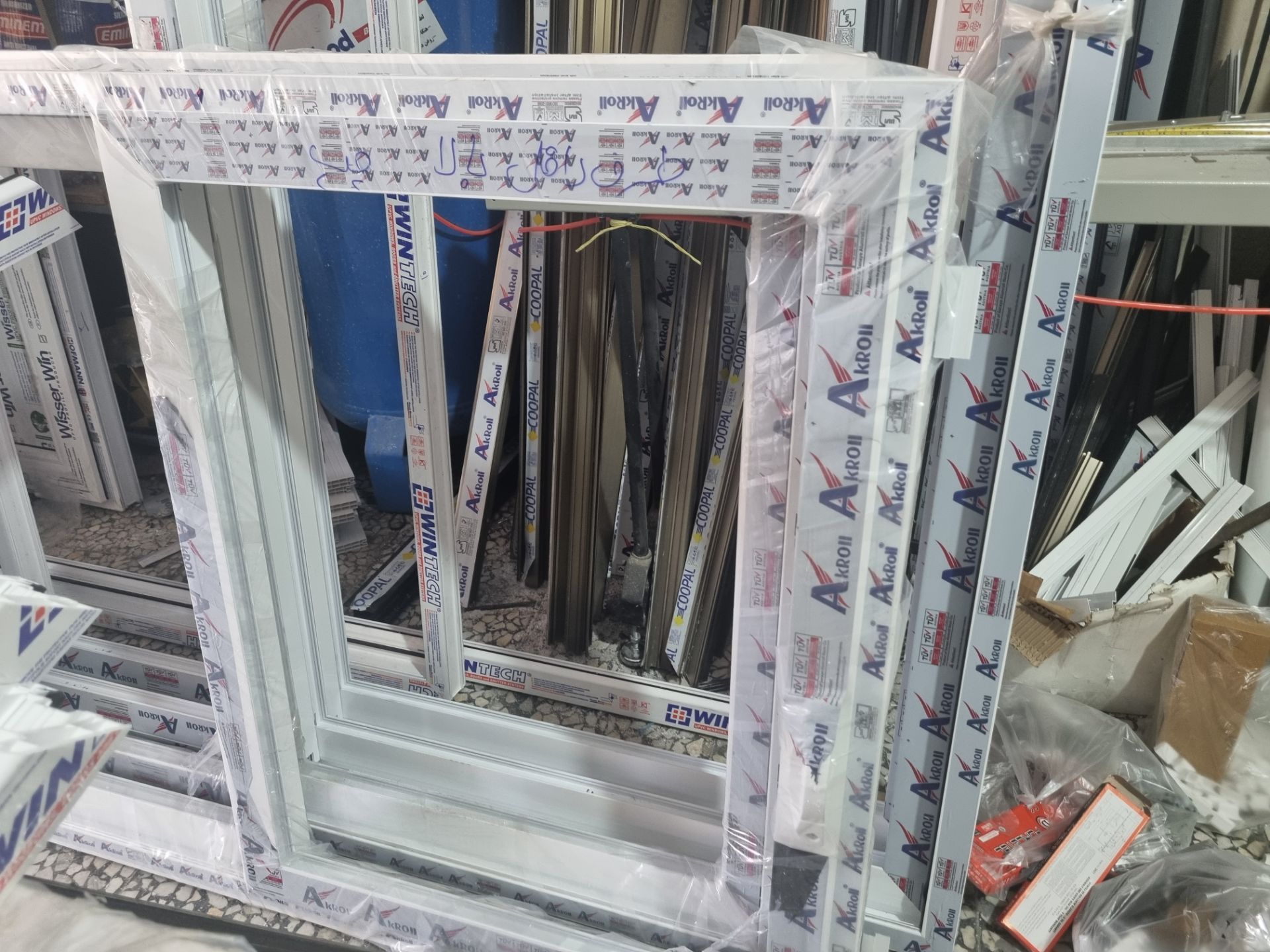
opening vent frame profile
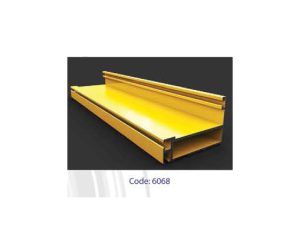
Introduction:
In the realm of architectural design and construction, the subtleties of elements like ventilation often play a crucial role in creating comfortable and sustainable living spaces. One integral component of effective ventilation is the vent frame profile, a feature that not only serves functional purposes but also contributes to the aesthetic appeal of a structure. In this article, we delve into the intricacies of opening vent frame profiles, exploring their significance and the impact they have on the overall design of a building.
Functionality:
The primary purpose of an opening vent frame profile is to facilitate proper ventilation within a building. This involves allowing the controlled flow of air, enabling the exchange of indoor and outdoor air. A well-designed vent frame profile ensures that fresh air enters the building while simultaneously allowing stale air to exit, creating a healthier and more comfortable environment for occupants.
Design Considerations:
The design of opening vent frame profiles involves careful consideration of various factors, including the type of building, prevailing climatic conditions, and the desired aesthetic. Different architectural styles and building types may require specific vent frame profiles to meet both functional and design objectives.
Materials:
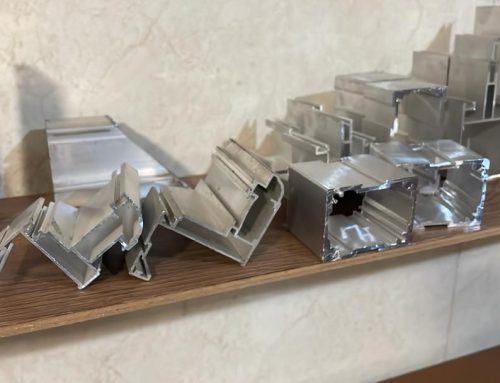
Vent frame profiles are constructed from a variety of materials, each with its own set of advantages. Common materials include aluminum, PVC, and wood. Aluminum profiles are popular for their durability, low maintenance, and resistance to corrosion, making them suitable for a range of environments. PVC profiles are known for their insulation properties and resistance to moisture, while wooden profiles add a touch of natural warmth to a space.
Operability:
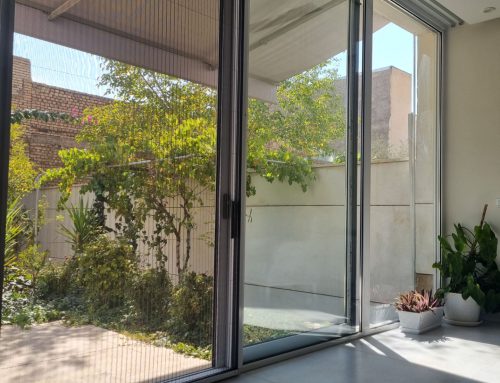
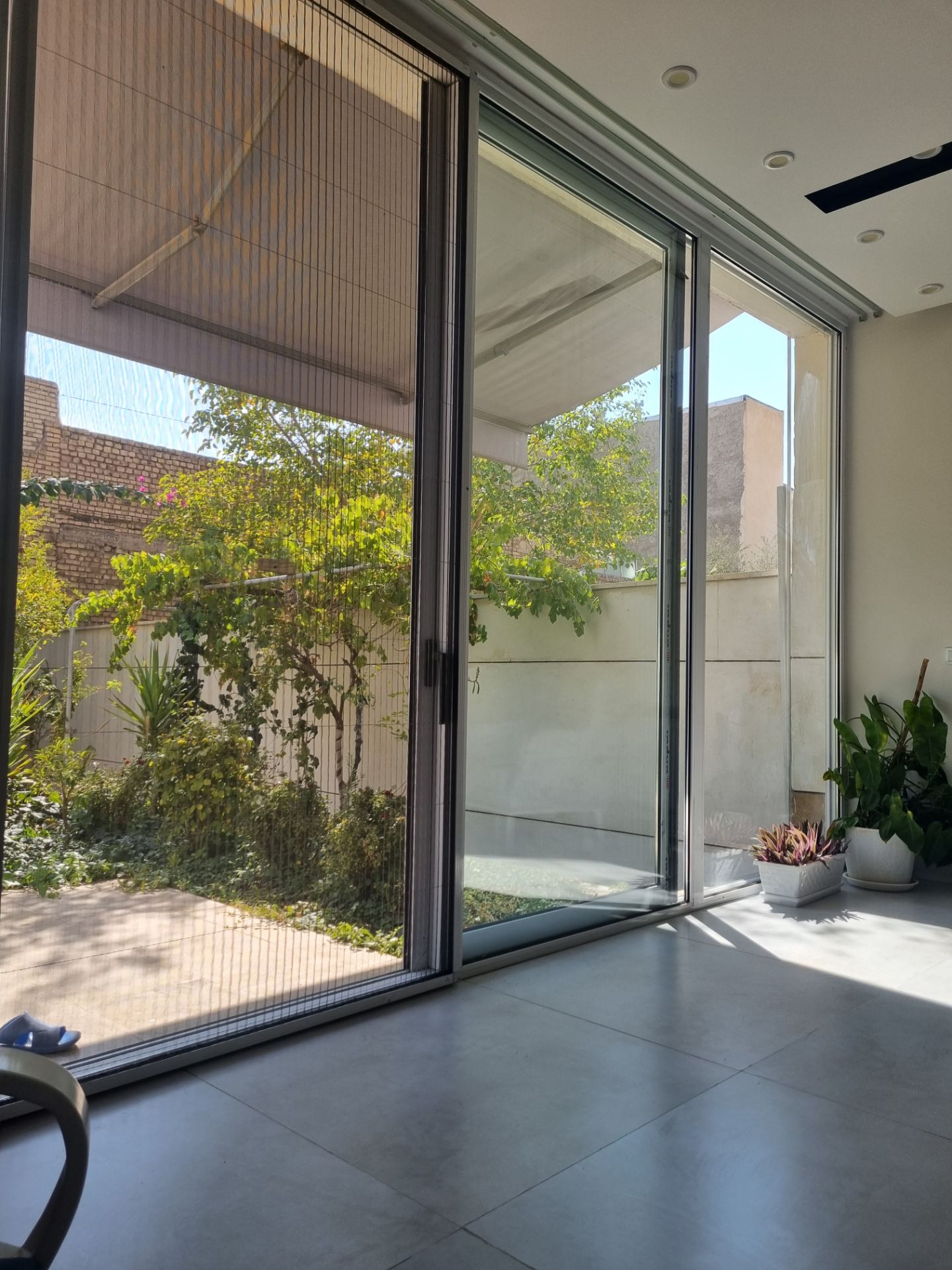
The operability of vent frame profiles is a critical aspect that directly affects the ease of use and control over ventilation. Different opening mechanisms, such as casement, awning, or sliding, offer varying degrees of control and can be chosen based on the specific requirements of a space. For example, casement profiles swing outward like a door, providing a wide opening for maximum airflow, while sliding profiles are ideal for spaces with limited exterior clearance.
Energy Efficiency:
In modern architecture, the emphasis on energy efficiency has led to the development of vent frame profiles with enhanced thermal performance. Profiles with thermal breaks, multiple chambers, and low emissivity glazing contribute to improved insulation, reducing heat transfer between the interior and exterior. This not only enhances the comfort of occupants but also aids in the overall energy efficiency of the building.
Aesthetics:
Beyond functionality, opening vent frame profiles contribute significantly to the visual appeal of a building. Architects often integrate these profiles seamlessly into the overall design, considering factors such as sightlines, proportions, and finishes. The careful selection of materials, colors, and finishes ensures that vent frame profiles complement the architectural style and enhance the overall aesthetic of the structure.
Installation and Maintenance:
While the design and material selection are crucial aspects of opening vent frame profiles, their installation and subsequent maintenance are equally important. Proper installation ensures the profiles function as intended, providing optimal ventilation and energy efficiency. Regular maintenance, including cleaning, lubrication of moving parts, and inspection for wear and tear, prolongs the lifespan of the profiles and ensures their continued performance over the years.
Smart Ventilation:
In the era of smart buildings and home automation, opening vent frame profiles are not exempt from technological advancements. Integrating sensors and automation systems allows for intelligent control of ventilation based on factors such as temperature, humidity, and air quality. This not only enhances the comfort of occupants but also contributes to energy savings by optimizing the use of natural ventilation.
Regulatory Compliance:
Building codes and regulations often dictate the specifications and performance standards for vent frame profiles to ensure the safety, health, and well-being of building occupants. Architects and builders must be aware of and adhere to these regulations, which may include requirements for fire safety, wind resistance, and accessibility.
Customization and Trends:
As architectural styles and design trends evolve, so do the possibilities for customization in opening vent frame profiles. From unique shapes and sizes to custom finishes and integrated design elements, the potential for personalization allows architects and designers to create distinctive and memorable spaces. Keeping abreast of emerging trends in ventilation design ensures that professionals can offer innovative solutions that align with the preferences of contemporary clients.
Environmental Considerations:
In the context of sustainable and environmentally conscious design, vent frame profiles play a role in achieving green building certifications. Sustainable materials, energy-efficient designs, and the use of recycled or recyclable components contribute to reducing the environmental impact of buildings. By prioritizing environmentally friendly options, architects can create spaces that not only prioritize the well-being of occupants but also contribute to a more sustainable future.
Conclusion:
Opening vent frame profiles may appear as subtle components in the grand tapestry of architectural design, but their impact on the functionality, aesthetics, and sustainability of a building is undeniable. As architects, builders, and manufacturers continue to innovate in response to evolving design preferences and technological advancements, the humble vent frame profile will likely remain a key player in creating spaces that are not only visually striking but also conducive to the well-being of those who inhabit them. The art of ventilation, embodied in these profiles, continues to shape the way we experience and interact with the built environment.
In summary, the evolution of opening vent frame profiles reflects the broader evolution of architectural philosophy. From the early considerations of functionality and basic utility, architects and designers now approach these profiles as integral elements that contribute to the overall character of a structure. The careful balance between form and function, energy efficiency, and aesthetic appeal defines the modern approach to ventilation design.
Looking ahead, the trajectory of opening vent frame profiles seems to be intertwined with the larger narrative of sustainable and smart architecture. As our understanding of environmental impact deepens and technological capabilities expand, these profiles are likely to become even more sophisticated. We can anticipate innovations in materials, increased integration with smart building systems, and a continued emphasis on eco-friendly design practices.
Architects and designers will need to stay attuned to these advancements, continuously adapting their approach to incorporate the latest technologies and sustainable practices. In doing so, they can not only meet the functional requirements of ventilation but also contribute to the broader goals of creating healthier, more energy-efficient, and environmentally responsible built environments.
Ultimately, the opening vent frame profile serves as a testament to the enduring importance of seemingly small details in the world of architecture. It is a reminder that even the most utilitarian elements can be elevated to artistry through thoughtful design and consideration. As the architectural landscape continues to evolve, these profiles will remain an essential canvas upon which the principles of form, function, and sustainability are elegantly expressed.

Leave A Comment