
Louver wall design cladding
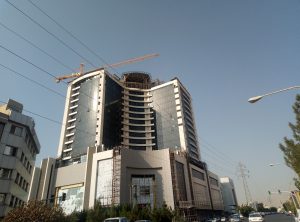
Louver wall design cladding is a popular exterior cladding system that is used in both commercial and residential buildings. The system consists of a series of horizontal or vertical slats, or louvers, that are attached to a frame or substrate and spaced apart to allow ventilation and natural light to enter the building. In this article, we will explore the benefits of louver wall design cladding, the different types of louvers and frames available, and some design considerations for architects and builders.
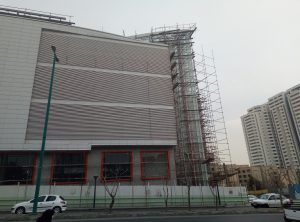
Benefits of Louver Wall Design Cladding
One of the main benefits of louver wall desgn cladding is its ability to regulate the amount of light and heat that enters a building. Louvers can be adjusted to control the angle of the sun’s rays, reducing heat gain and glare. This allows for greater energy efficiency and lower cooling costs. The ability to regulate natural light can also improve the quality of indoor lighting and reduce the need for artificial lighting during the day.
Louver wall design cladding also provides excellent ventilation, allowing air to circulate and preventing the buildup of moisture and mold. This is especially important in humid or coastal environments, where moisture can cause damage to building materials and affect indoor air quality. The airflow provided by louvers can also improve thermal comfort, reducing the need for air conditioning and improving occupant satisfaction.
Another benefit of louver wall design cldding is its aesthetic appeal. Louvers can be customized to fit the design aesthetic of the building and can be made from a variety of materials, including wood, metal, and composite materials. The texture and color of the louvers can also add depth and interest to the building façade, creating a unique and eye-catching design.
Types of Louvers and Frames
There are several types of louvers and frames available for louver wall design cladding. The choice of louvers and frames will depend on the specific design requirements and performance goals of the building.
One of the most common types of louvers is the fixed louver. Fixed louvers are stationary and cannot be adjusted, but they provide a consistent and uniform appearance to the building façade. Fixed louvers are often used in areas where sun control and ventilation are not critical, such as decorative screens or privacy walls.
Another type of louver is the operable louver. Operable louvers can be adjusted to control the amount of light and ventilation entering the building. This type of louver is often used in areas where sun control and ventilation are critical, such as in sunshades or shading devices.
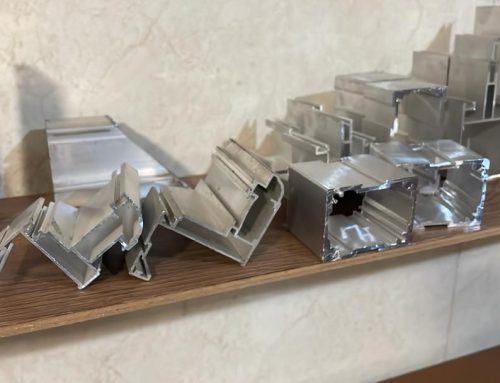
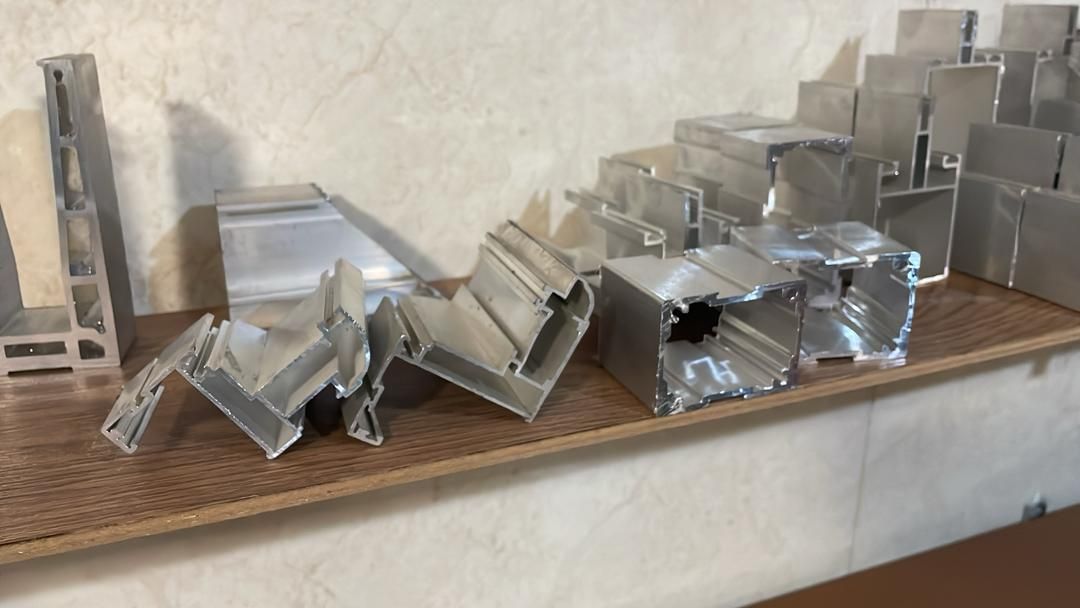
The frame of the louver wall dsign cladding is also an important consideration. The frame provides support for the louvers and can be made from a variety of materials, including aluminum, wood, and steel. The frame can also be customized to fit the design aesthetic of the building and can be designed to be either visible or hidden.
Design Considerations for Architects and Builders
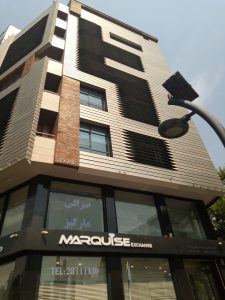
When designing a building with louver wall design clading, there are several important considerations for architects and builders to keep in mind.
The first consideration is the orientation of the building. The placement of the louvers should be designed to maximize sun control and ventilation based on the building’s orientation and location. For example, a building in a hot, sunny climate will require more sun control than a building in a cooler, northern climate.
The second consideration is the spacing of the louvers. The spacing of the louvers will depend on the specific design requirements of the building, including the desired amount of light and ventilation, as well as the size and shape of the building façade.
The third consideration is the material of the louvers and frames. The choice of material will depend on the specific design requirements of the building, including performance goals, aesthetic preferences, and maintenance requirements.
Conclusion
Louver wall design cladding is a versatile and practical exterior cladding system that offers numerous benefits to both commercial and residential buildings. Its ability to regulate natural light, heat, and ventilation can result in significant energy savings and improved indoor comfort. In addition, its aesthetic appeal and customizable design options make it a popular choice for architects and builders looking to create a unique and visually appealing building façade.
When selecting a louver wall design cladding system, it’s essential to consider factors such as the orientation of the building, the spacing and material of the louvers and frames, and the overall design goals and performance requirements of the building. With careful consideration and planning, a louver wall design cladding system can provide an efficient, attractive, and durable exterior cladding solution for any building project.
It’s also worth noting that louver wall design cladding can have additional benefits beyond its primary functions of sun control, ventilation, and aesthetics. For example, it can be used as a privacy screen, noise barrier, or even as a security feature. The customization options available with louver wall design cladding make it a versatile solution for many different building projects and design goals.
In conclusion, louver wall design cladding is a practical and attractive exterior cladding system that offers numerous benefits to both commercial and residential buildings. Its ability to regulate natural light, heat, and ventilation can improve indoor comfort and energy efficiency, while its customizable design options can create a unique and visually appealing building façade. Architects and builders looking for a practical, versatile, and aesthetically pleasing exterior cladding system should consider louver wall design cladding for their next project.

Leave A Comment