
Modern glass building facade
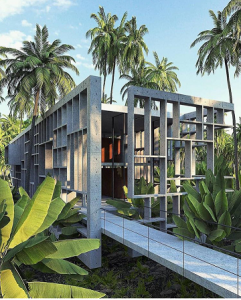
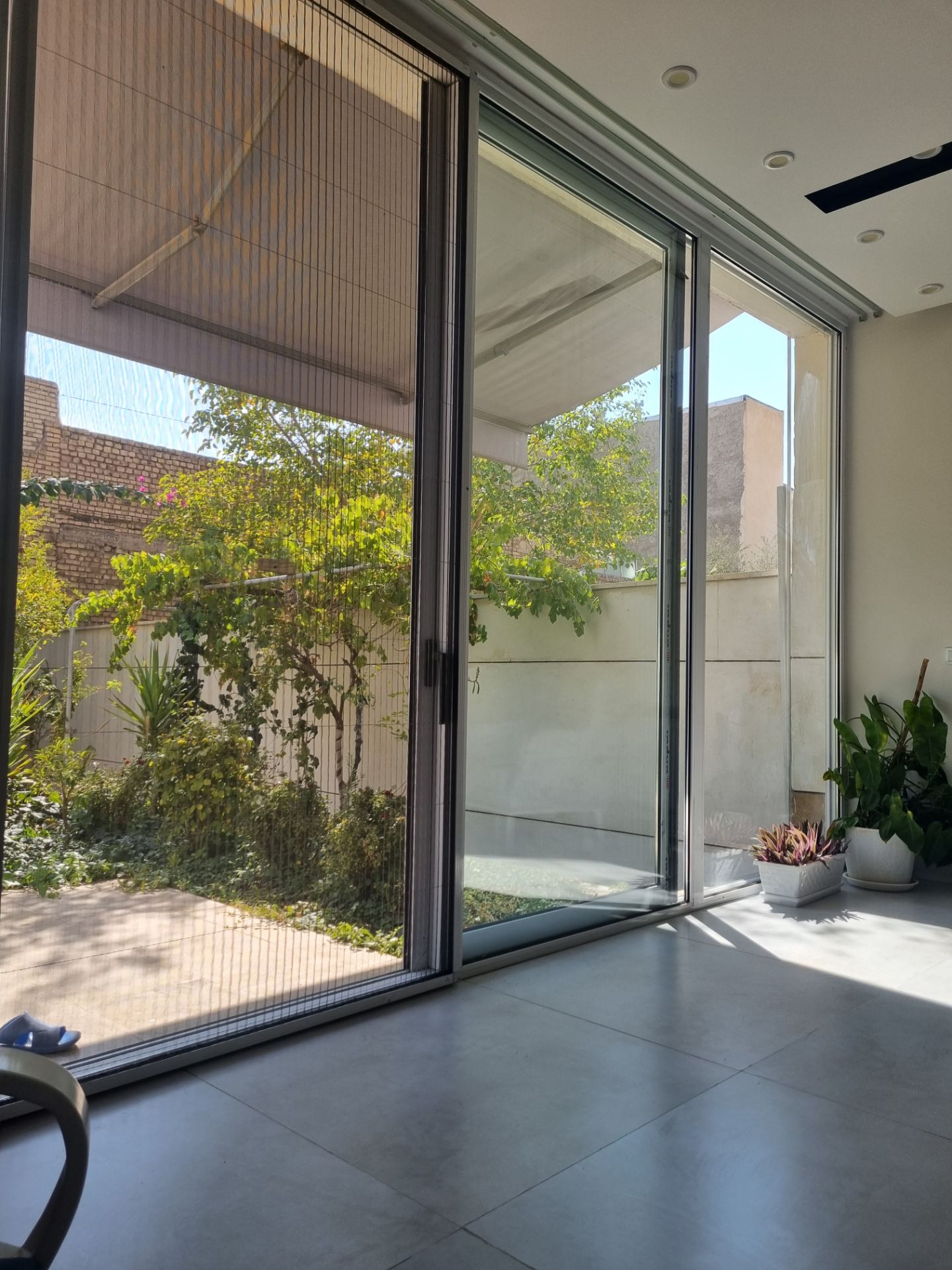
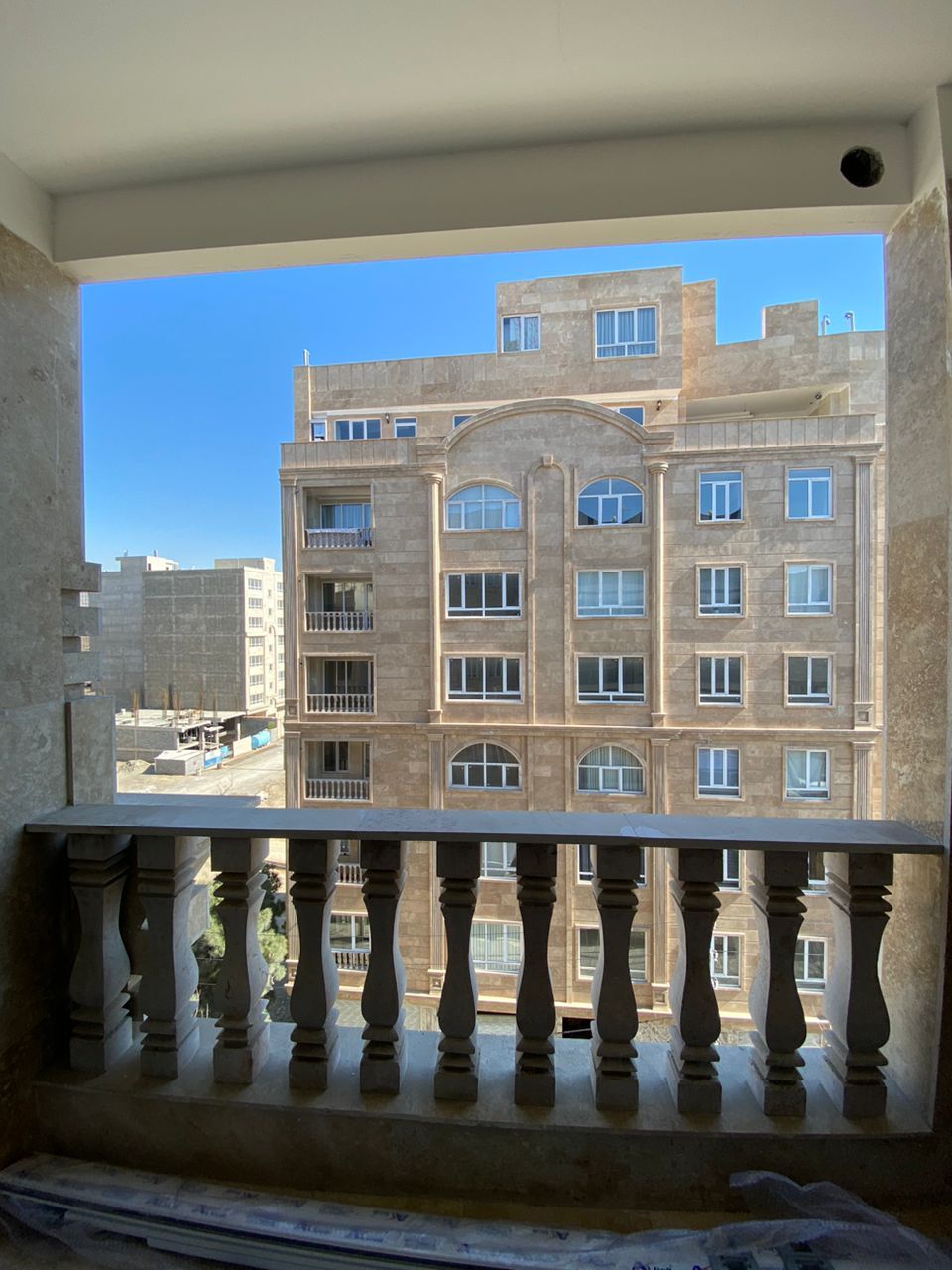
The use of glass in modern building facades has become increasingly popular over the years. From towering skyscrapers to sleek office buildings, glass facades are becoming a ubiquitous feature of modern architecture. The allure of glass facades lies in the way they transform the appearance of a building, while also providing numerous functional benefits. In this article, we will explore the various aspects of modern glass building facades, including their history, design, construction, and sustainability.
History of Glass Facades
The use of glass in architecture can be traced back to the ancient Romans, who used glass for windows and mosaics. However, it wasn’t until the 20th century that glass facades became a popular feature of modern architecture. One of the earliest examples of a glass facade was the Fagus Factory in Germany, designed by Walter Gropius in 1911. The building’s glass facade was designed to allow natural light into the factory, improving working conditions for the employees.
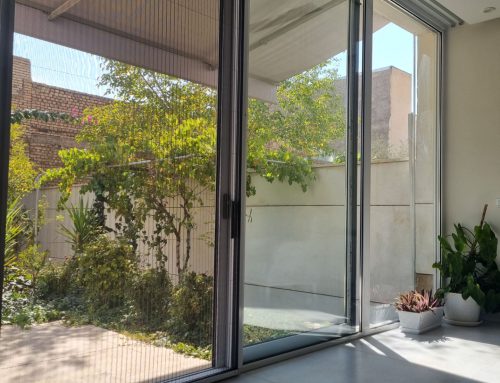
Another notable early example of a glass facade was the Barcelona Pavilion, designed by Ludwig Mies van der Rohe in 1929. The building’s glass walls created a seamless connection between the interior and exterior spaces, blurring the boundaries between the two. Mies van der Rohe continued to experiment with glass facades throughout his career, eventually creating the iconic Seagram Building in New York City in 1958.
Design of Modern Glass Facades
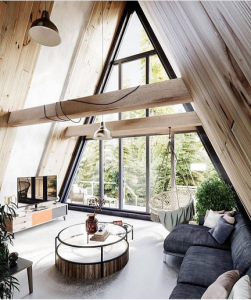
Modern glass facades come in a variety of styles and designs, ranging from minimalist and understated to bold and dramatic. The design of a glass facade is often driven by the building’s function and location. For example, a glass facade on a high-rise office building may be designed to reflect the surrounding skyline, while a glass facade on a museum may be designed to provide a clear view of the exhibits inside.
One of the key design considerations for a glass facade is the amount of natural light it allows into the building. Glass facades can help to reduce the need for artificial lighting, which can save energy and reduce costs. However, too much sunlight can also create glare and heat, which can make the building uncomfortable for occupants. To address this issue, modern glass facades often incorporate shading devices, such as louvers or fins, to control the amount of sunlight that enters the building.
Another important design consideration for glass facades is their impact on the environment. Glass is a highly reflective material, which can contribute to light pollution and heat island effects in urban areas. To minimize these impacts, modern glass facades may use low-emissivity coatings or other specialized glass products that help to reduce heat gain and glare.
Construction of Modern Glass Facades
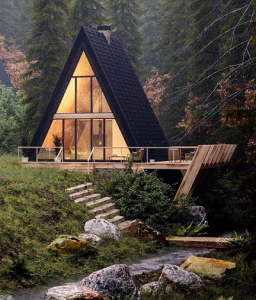
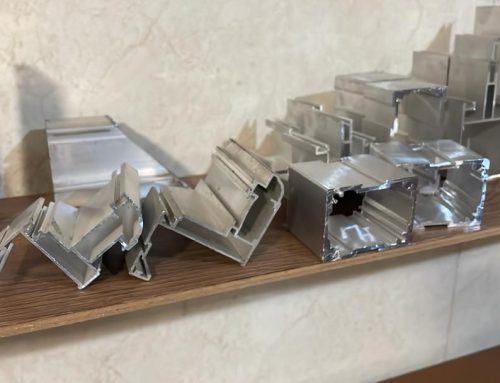
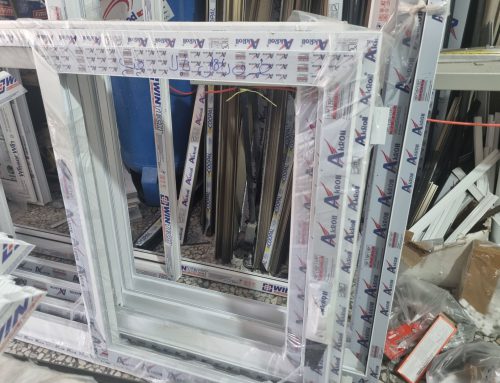
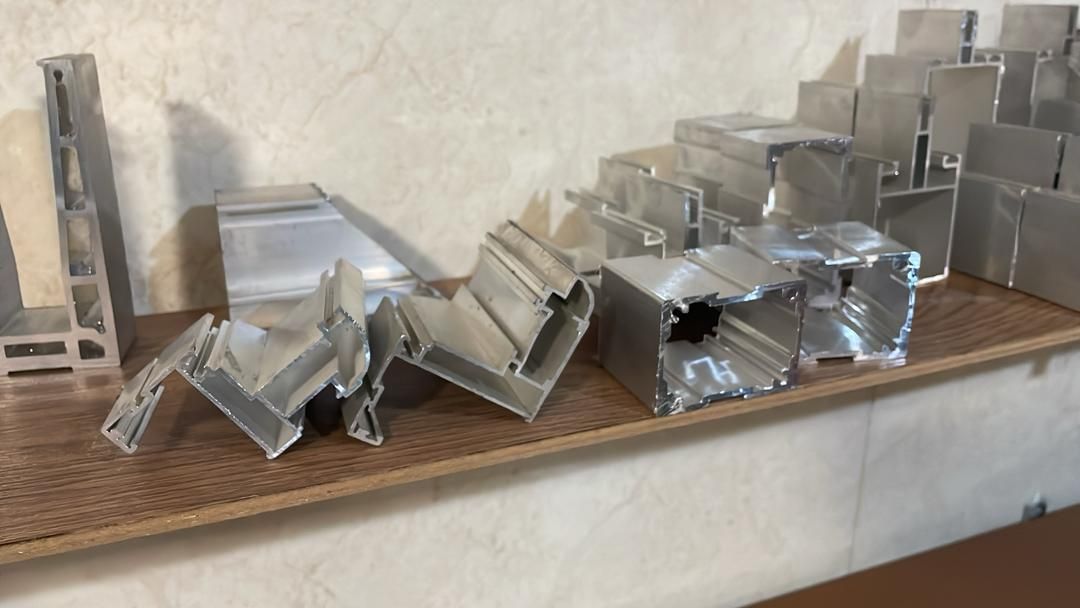
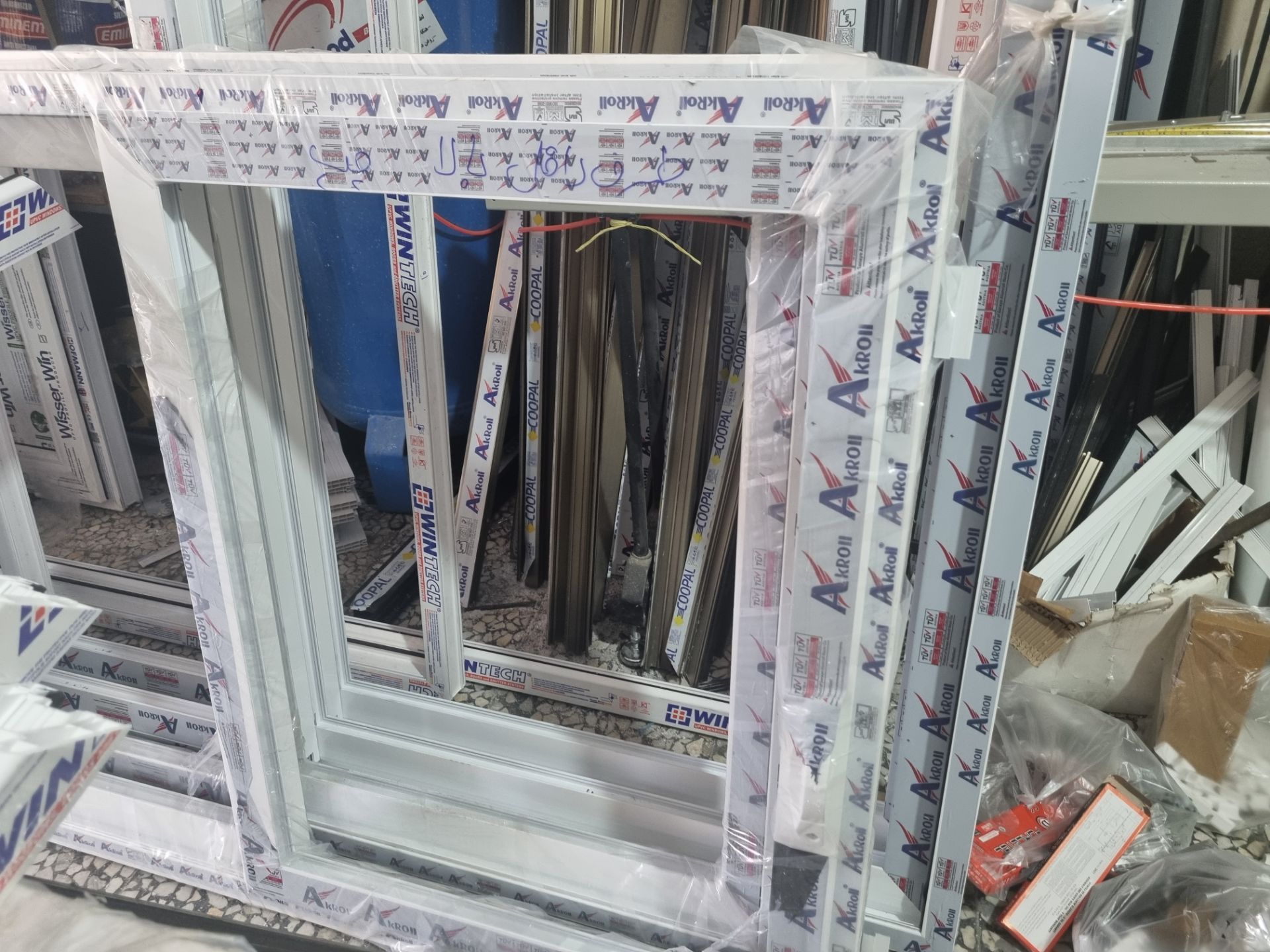
The construction of a modern glass facade requires careful planning and execution. One of the key challenges is ensuring the structural integrity of the building, given the relatively fragile nature of glass. To address this issue, modern glass facades are often constructed using specialized framing systems that provide additional support and stability.
Another challenge in the construction of glass facades is ensuring the quality of the glass itself. Glass panels must be carefully selected and tested to ensure they meet the required safety and performance standards. Additionally, the installation of glass panels must be done with precision to ensure they fit together seamlessly and form a continuous surface.
Sustainability of Modern Glass Facades
The sustainability of modern glass facades has become an increasingly important consideration in recent years. Glass facades can help to reduce the energy consumption of buildings by providing natural daylighting and reducing the need for artificial lighting. However, they can also contribute to energy loss and heat gain if not properly designed and installed.
To address these issues, modern glass facades often incorporate a variety of sustainable design features. For example, some glass facades may use triple-glazed windows or other specialized glass products that help to reduce heat gain and improve thermal performance. Additionally, shading devices such as louvers or fins can be used to control the amount of sunlight that enters the building, reducing the need for air conditioning and cooling systems.
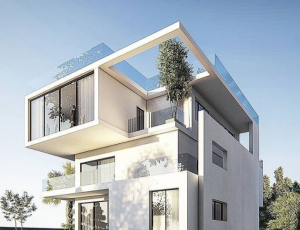
In terms of environmental impact, glass facades can contribute to light pollution and heat island effects in urban areas. To mitigate these impacts, modern glass facades may use specialized glass coatings or materials that help to reduce heat gain and glare. Additionally, the use of high-performance insulation and other energy-efficient materials can help to minimize the environmental impact of glass facades.
Another important consideration in the sustainability of glass facades is their lifecycle. Glass facades have a relatively long lifespan, but they require regular maintenance and upkeep to ensure their continued performance. Regular cleaning and inspection of the glass panels, as well as the sealing and framing systems, are essential to ensure the long-term durability and performance of a glass facade.
Conclusion
Modern glass building facades have become a popular feature of contemporary architecture, offering a range of functional and aesthetic benefits. From improving natural daylighting to creating a seamless connection between interior and exterior spaces, glass facades have transformed the way we think about building design. However, the design and construction of glass facades require careful planning and execution, as well as a commitment to sustainability and environmental responsibility. By incorporating sustainable design features and regular maintenance practices, glass facades can continue to provide benefits for years to come, while also reducing their impact on the environment.
In addition, the use of modern technology is changing the way we think about glass facades. For example, dynamic glass technology allows glass facades to adapt to changing weather conditions, providing additional shading or insulation as needed. This technology not only enhances the performance of glass facades but also provides a new level of flexibility and control for building occupants.
Overall, the use of glass facades in modern architecture has evolved significantly over the years. From the early experiments of modernist architects to the cutting-edge technology of today, glass facades continue to push the boundaries of building design and construction. While there are challenges and considerations to be addressed, the benefits of glass facades in terms of aesthetics, function, and sustainability are undeniable. As we continue to push towards more sustainable and efficient building design, glass facades will undoubtedly play a significant role in shaping the buildings of the future.

Leave A Comment