
Louver building facade aluminium
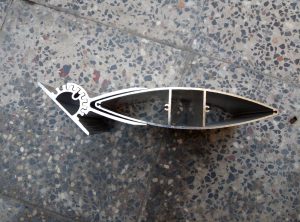
The Louvre Museum in Paris is undoubtedly one of the world’s most iconic buildings, attracting millions of visitors each year. The museum is not only famous for its remarkable art collection, but also for its stunning architectural design. The most notable feature of the building’s exterior is its façade, which is made entirely of aluminium.
Aluminium has become a popular choice for building facades in recent years due to its numerous benefits. In this article, we will explore why aluminium is an excellent choice for building facades and the specific advantages that make it particularly suitable for the Louvre Museum’s façade.
Benefits of Aluminium Facades
Durability
One of the most significant benefits of using aluminium for building facades is its durability. Aluminium is highly resistant to corrosion, which makes it ideal for use in structures that are exposed to the elements. Additionally, aluminium is lightweight, which reduces the load on the building’s structure.
Sustainability
Aluminium is also a sustainable material. It is 100% recyclable and can be reused without losing any of its properties. This makes it an excellent choice for environmentally conscious construction projects.
Versatility
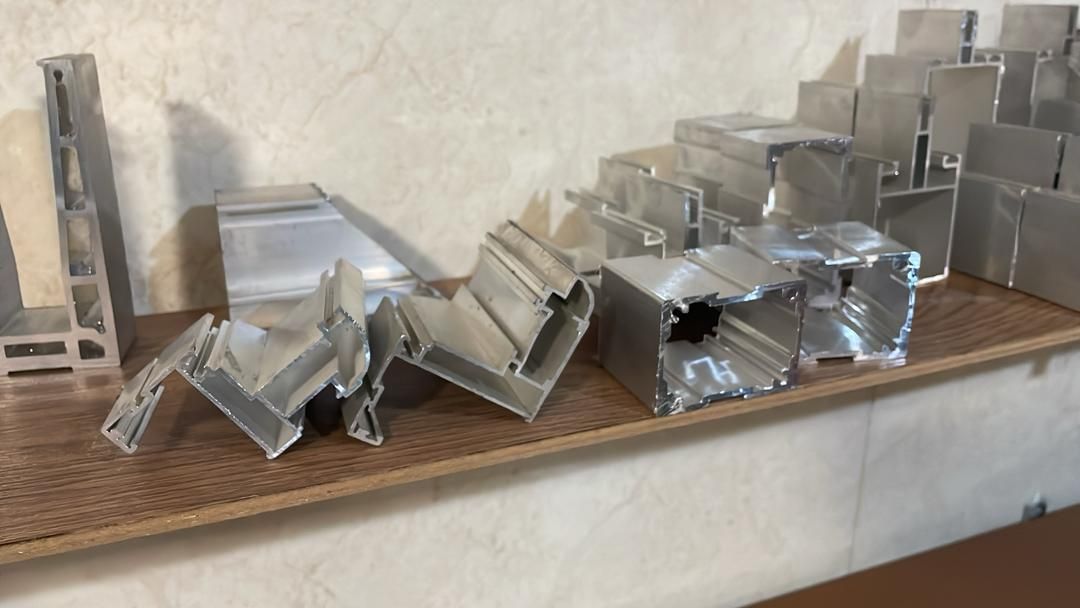
Aluminium is a versatile material that can be shaped into various profiles and designs, making it suitable for various architectural styles. It is also available in various finishes and colours, allowing architects and designers to achieve the desired aesthetic for a building.
Ease of Installation
Aluminium facades are easy to install and require minimal maintenance. The panels can be prefabricated off-site, reducing on-site construction time and minimising the impact on the surrounding environment.
Advantages of Louvre’s Aluminium Facade
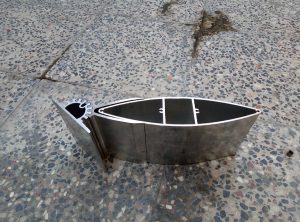
Now let’s look at the specific advantages of using aluminium for the Louvre Museum’s façade.
Reflectivity
The Louvre’s aluminium façade has a highly reflective surface that creates an ever-changing appearance throughout the day. The panels reflect the surrounding environment, giving the building a shimmering effect that changes with the angle of the sun. This effect is particularly striking at night when the building’s interior lighting reflects off the façade, creating an ethereal glow.
Durability
The Louvre Museum is situated on the banks of the Seine River, which means it is exposed to moisture and other environmental factors that could damage the building’s exterior. The aluminium façade is highly durable and can withstand the harsh elements without corroding or deteriorating over time.
Lightweight
The Louvre Museum’s aluminium façade is incredibly lightweight, reducing the load on the building’s structure. This feature is particularly important for a building as large and complex as the Louvre, which required a façade that would not add unnecessary weight to the structure.
Ease of Maintenance
The Louvre Museum is a world-renowned cultural institution that attracts millions of visitors each year. As such, it is essential to keep the building’s exterior looking its best at all times. The aluminium façade is easy to maintain and requires minimal cleaning and upkeep to keep it looking its best.
Sustainability
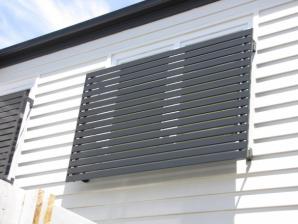
The Louvre Museum is committed to sustainability, and the aluminium façade aligns with this mission. Aluminium is 100% recyclable and can be reused without losing any of its properties. This means that the façade can be replaced or recycled at the end of its lifespan, reducing the impact on the environment.
Conclusion
The Louvre Museum’s aluminium façade is a testament to the versatility and durability of this remarkable material. Aluminium has numerous benefits that make it an ideal choice for building facades, including its durability, sustainability, versatility, and ease of installation and maintenance.
The Louvre’s aluminium façade has specific advantages, including its reflectivity, durability, lightweight, ease of maintenance, and sustainability. These features have helped create an iconic building that is not only beautiful but also functional and sustainable.
The Louvre Museum
Moreover, the aluminium façade of the Louvre Museum has inspired architects and designers worldwide. The building’s unique aesthetic has become an architectural icon, inspiring many other buildings to incorporate aluminium into their façades.
In addition to its aesthetic and functional benefits, the aluminium façade of the Louvre Museum has also helped to improve the building’s energy efficiency. The reflective surface of the panels reduces the amount of heat absorbed by the building, helping to regulate the temperature and reduce the energy required to cool the interior.
However, it is important to note that the aluminium industry has come under scrutiny in recent years for its environmental impact, particularly in terms of energy consumption and greenhouse gas emissions. It is essential to ensure that aluminium is produced and used in a sustainable and responsible manner to minimise its impact on the environment.
In conclusion, the Louvre Museum’s aluminium façade is a prime example of how this versatile material can be used to create a building that is both beautiful and functional. Aluminium has numerous benefits that make it an excellent choice for building facades, including its durability, sustainability, versatility, and ease of installation and maintenance. The Louvre’s aluminium façade has specific advantages, including its reflectivity, durability, lightweight, ease of maintenance, and sustainability. This iconic building has inspired architects and designers worldwide and will continue to be a symbol of innovation and sustainability in the field of architecture.

Leave A Comment