
louver aluminium shutters fixing
Introduction
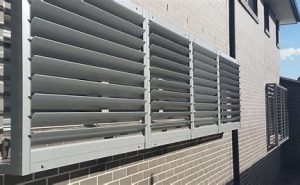
louver aluminium shutters fixing ,Louver aluminum shutters are a popular choice for both aesthetics and functionality. They provide privacy, light control, and ventilation while enhancing the exterior appearance of your home. However, like any other component, they may require maintenance or repair over time. In this article, we’ll guide you through the process of fixing louver aluminum shutters, ensuring they continue to serve their purpose effectively.
Pre-Installation Guidelines:
- Inspect the louver for damage before installing. Ensure it is free from twisting or racking.
- Do not compress or stretch the louver into the opening.
- Never lift the louver by the blades; handle it using the frame.
- Avoid installing screws or fasteners that could interfere with the unexposed blade linkage (for operable louvers).
- Protect the louver actuator (if applicable) from dirt and foreign materials.
- Consult the Engineer of record for anchor requirements to secure the louver in the opening.
- Always refer to job-specific submittal drawings if available.
Installation Instructions:
- Sill Flashing (if applicable):
- Locate all sill flashing (by others).
- Clean the sill of the opening and the underside of the sill flashing.
- Apply caulk to the sill and firmly set the sill flashing in place.
- Caulk multiple section sill flashing at overlapping joints.
- Handling Louver Sections:
- Handle louver sections by their frames or support members.
- Use multiple lift points to avoid distortion or damage to the frame.
- Never lift the louver section(s) by the blades.
- Take precautions to avoid damaging the louver finish.
- Operable Louver Considerations:
- Ensure proper isolation between louver components and steel building conditions to prevent corrosion.
- Follow manufacturer-specific guidelines for operable louvers.
- Louver Operation, Testing & Maintenance:
- Test the louver’s operation after installation.
- Regularly inspect and maintain the louvers to ensure proper functioning.
Repairing Exterior Shutters:
- Unscrew the damaged shutter from the house.
- Remove any loose louvers from the shutter.
- Use a wire brush to clean away dust and debris.
- Loosely set the louvers back into place.
- Apply polyurethane glue to the mortise-and-tenon joint of the shutter frame.
- Architectural Louvers:
- Ruskin and Greenheck are well-known manufacturers of architectural louvers. They offer a wide range of products, including aluminum louvers for various applications. Their louvers are designed for durability, weather resistance, and efficient airflow control.
- Operable Louvers:
- For operable louvers (those that can be adjusted to control ventilation), consider brands like Airolite, NCA, and Louverline. These manufacturers specialize in providing high-quality operable louvers with different blade designs and control options.
- Fixed Louvers:
- If you need fixed louvers (non-adjustable), Construction Specialties (CS) and Ruskin offer reliable options. Fixed louvers are commonly used for aesthetic purposes or to protect openings from rain and debris.
- Custom Louvers:
- Some projects may require custom-designed louvers. In such cases, consult with local fabricators or specialty manufacturers who can create louvers tailored to your specifications.
Louver Maintenance and Troubleshooting
1. Regular Cleaning:
- Dust and debris can accumulate on louvers over time. Regularly clean the blades using a soft brush or compressed air. Pay attention to the corners and edges.
- For exterior louvers, remove any dirt, leaves, or spider webs from the frame and blades. A gentle hose spray can help dislodge stubborn debris.
2. Inspect for Damage:
- Periodically inspect the louvers for any signs of damage, such as bent blades, loose screws, or chipped paint.
- If you notice any issues, address them promptly to prevent further damage.
3. Lubrication (Operable Louvers):
- If your louvers are operable (adjustable), lubricate the pivot points and hinges. Use a silicone-based lubricant to ensure smooth movement.
- Avoid using oil-based lubricants, as they can attract dust and dirt.
4. Blade Adjustment (Operable Louvers):
- If the louvers are not opening or closing properly, check the blade adjustment.
- Adjust the linkage rods or gears according to the manufacturer’s instructions.
- Ensure that the blades align correctly when fully closed and fully open.
5. Replacing Damaged Blades:
- If a blade is severely bent, cracked, or broken, replace it.
- Order replacement blades from the manufacturer or a reputable supplier.
- Follow the installation instructions carefully to ensure proper alignment.
6. Paint Touch-Up:
- Louvers with chipped or faded paint can be unsightly.
- Sand the affected area lightly, apply primer, and then touch up with matching paint.
- Properly cured touch-up paint will protect the aluminum from corrosion.
7. Sealing and Caulking:
- Inspect the frame and mounting points for gaps or leaks.
- Seal any gaps with appropriate caulking to prevent water infiltration.
- Ensure that the louvers are securely anchored to the building structure.
8. Weatherstripping (Optional):
- Consider adding weatherstripping around the louver frame to improve energy efficiency and reduce drafts.
- Choose weatherstripping materials suitable for outdoor use.
Conclusion
By following these steps, you can successfully repair your louver aluminum shutters. Regular maintenance and timely fixes will prolong their lifespan and keep your home looking its best. Remember to handle the louvers carefully and choose high-quality materials for any replacements, louver aluminium shutters fixing.



Leave A Comment