
Aluminium louver panel fixing details
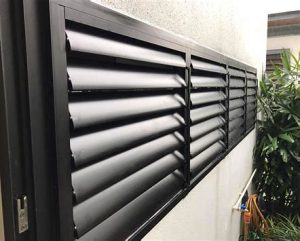
Aluminium louver panel fixing details ,Aluminum louver panels are a popular choice for both commercial and residential buildings due to their durability, versatility, and aesthetic appeal. These panels offer a sleek, modern look while providing excellent ventilation and sun control. However, proper installation is essential to ensure their longevity and functionality. In this article, we’ll delve into the details of fixing aluminum louver panels, covering everything from preparation to installation techniques.
Preparation:
Before installing aluminum louver panels, it’s crucial to properly prepare the installation site. Here are the key steps:
Measurements: Accurate measurements of the installation area are essential to ensure the panels fit correctly. Measure the dimensions of the opening or surface where the panels will be installed.
Surface Inspection: Inspect the surface for any defects, such as cracks, unevenness, or moisture damage. Address any issues to ensure a smooth and stable installation base.
Alignment: Determine the desired alignment and spacing of the louver panels. This will depend on factors such as ventilation requirements, sun exposure, and aesthetic preferences.
Material Selection: Choose the appropriate mounting hardware and fasteners based on the surface material and environmental conditions. Stainless steel or corrosion-resistant aluminum fasteners are recommended for outdoor installations to prevent rusting.
Installation Techniques:
Once the preparation is complete, follow these steps to fix aluminum louver panels securely:
Mounting Frame Installation:
– If using a mounting frame, install it securely onto the surface using appropriate fasteners. Ensure the frame is level and aligned according to the predetermined measurements.
– Use a level and measuring tape to check for accuracy and adjust as needed.
Panel Attachment:
– Place the aluminum louver panels into the mounting frame or directly onto the surface.
– Secure the panels in place using screws or bolts, ensuring they are evenly spaced and aligned.
– For added stability, apply a bead of adhesive sealant along the edges of the panels before fastening them to the frame.
Fastening Details:
– When fastening the panels, be mindful of the spacing and distribution of fasteners to prevent warping or distortion.
– Use washers or spacers to distribute the pressure evenly and prevent damage to the panels or mounting surface.
– Tighten the fasteners snugly but avoid over-tightening, which could deform the panels or compromise their structural integrity.
Sealing and Finishing:
– Once the panels are securely attached, inspect the installation for any gaps or openings.
– Seal any gaps between panels or between the panels and mounting frame using a weather-resistant sealant to prevent water infiltration and enhance the overall appearance.
– Apply a finishing coat of paint or protective coating to the panels to enhance their durability and resistance to environmental elements.
Maintenance Tips:
Proper maintenance is essential to prolong the lifespan of aluminum louver panels and ensure optimal performance. Here are some maintenance tips:
Regular Cleaning: Periodically clean the panels with a mild detergent and water to remove dirt, dust, and debris. Avoid abrasive cleaners or tools that could scratch the surface.
Inspection: Inspect the panels regularly for signs of damage, corrosion, or loose fasteners. Address any issues promptly to prevent further damage or deterioration.
Lubrication: Lubricate hinges, pivots, and other moving parts as needed to ensure smooth operation and prevent rust or corrosion.
Repairs: Repair any damaged or corroded panels promptly to prevent structural issues or water infiltration.
– UV Exposure: Prolonged exposure to UV radiation can cause fading, discoloration, and degradation of the panels’ finish. Consider applying a UV-resistant coating or paint to protect the panels from UV damage and maintain their appearance over time.
– Temperature Fluctuations: Aluminum louver panels can expand and contract with temperature fluctuations, which may affect their fit and performance. Allow for sufficient expansion gaps and choose fasteners and sealants that can accommodate thermal movement without compromising the installation’s integrity.
– Moisture Management: Proper moisture management is critical to prevent corrosion and water damage to the panels and mounting structure. Ensure adequate drainage and ventilation behind the panels to prevent water accumulation and the formation of moisture-related issues such as mold or mildew.
Compliance with Building Codes and Regulations:
Before installing aluminum louver panels, it’s essential to familiarize yourself with local building codes, regulations, and permit requirements. Compliance with these standards ensures the safety, structural integrity, and legal compliance of the installation.
– Permit Requirements: Some jurisdictions may require permits for the installation of exterior architectural features such as louver panels. Check with the local building authority to determine if a permit is needed and ensure compliance with applicable regulations.
– Structural Considerations: Ensure the installation meets structural requirements outlined in building codes, including load-bearing capacity, wind resistance, and seismic considerations. Engage a structural engineer if necessary to assess the structural integrity of the mounting system and verify compliance with code requirements.
– Fire Safety: In fire-prone areas, consider the fire rating of the louver panels and mounting system to ensure compliance with fire safety regulations. Use fire-rated materials and follow guidelines for fire-resistant construction where applicable.
Integration with Building Systems:
Aluminum louver panels can be integrated with various building systems to enhance functionality and performance. Consider the following integration options:
– HVAC Systems: Louver panels can be strategically positioned to optimize airflow and ventilation in conjunction with HVAC systems. Coordinate the placement of panels with air intake and exhaust vents to maximize energy efficiency and indoor air quality.
– Lighting and Shading Controls: Integrate louver panels with automated lighting and shading controls to adjust sunlight penetration and glare according to time of day, season, and occupant preferences. This not only enhances comfort but also reduces energy consumption by minimizing reliance on artificial lighting and cooling systems.
– Security and Access Control: Incorporate louver panels into security and access control systems to provide controlled visibility and access to building interiors. Louver panels with adjustable slats or motorized mechanisms can be remotely operated for added convenience and security.
Customization and Design Considerations:
Aluminum louver panels offer a high degree of customization to meet specific design requirements and aesthetic preferences. Consider the following design considerations when selecting and installing louver panels:
– Color and Finish Options: Choose from a variety of color and finish options to complement the overall design scheme of the building. Powder-coated finishes offer durability and resistance to fading, chipping, and corrosion, while anodized finishes provide a sleek, metallic appearance.
– Slat Orientation and Spacing: Experiment with different slat orientations (horizontal, vertical, or angled) and spacing configurations to achieve the desired balance between privacy, ventilation, and sunlight control. Adjustable slats offer flexibility to adapt to changing environmental conditions and user preferences.
– Architectural Integration: Integrate louver panels seamlessly into the architectural design of the building to enhance visual continuity and coherence. Consider incorporating custom-designed panels, geometric patterns, or decorative elements to create visual interest and enhance curb appeal.
Warranty and Maintenance Services:
Before purchasing aluminum louver panels, inquire about warranty coverage and maintenance services offered by the manufacturer or installer. A comprehensive warranty provides peace of mind and protection against manufacturing defects, premature failure, and corrosion.
– Warranty Coverage: Review the terms and conditions of the warranty, including duration, coverage limitations, and exclusions. Ensure that the warranty provides adequate protection against common issues such as fading, corrosion, and mechanical failure.
– Maintenance Services: Inquire about maintenance services offered by the manufacturer or installer, such as routine inspections, cleaning, and repairs. Engaging professional maintenance services ensures the continued performance and longevity of the louver panels while minimizing the risk of damage or deterioration.
Final Inspection and Quality Assurance:
After completing the installation of aluminum louver panels, conduct a final inspection to ensure compliance with design specifications, building codes, and quality standards. Address any issues or discrepancies promptly to achieve a satisfactory outcome and ensure customer satisfaction.
– Visual Inspection: Inspect the installation visually from multiple angles to verify alignment, spacing, and overall appearance. Check for any signs of damage, defects, or inconsistencies that may require corrective action.
– Functional Testing: Test the functionality of the louver panels, including opening and closing mechanisms, to ensure smooth operation and proper alignment. Verify that the panels provide the desired level of ventilation, sunlight control, and privacy.
– Documentation and Handover: Compile comprehensive documentation, including as-built drawings, warranty information, and maintenance guidelines, to provide to the building owner or facility manager. Conduct a final walkthrough with the client to review the installation and address any questions or concerns.
In conclusion, fixing aluminum louver panels requires careful planning, attention to detail, and adherence to best practices to achieve a successful and long-lasting installation. By considering environmental factors, integrating with building systems, customizing design elements, and prioritizing quality assurance, you can ensure the durability, functionality, and aesthetic appeal of louver panel installations in various building applications.
– Data Collection: Collect relevant data, such as energy consumption, temperature readings, and occupant feedback, to quantify the impact of the louver panels on building performance. Use this data to inform decision-making and prioritize maintenance and upgrades as needed.
– Feedback Mechanisms: Establish mechanisms for gathering feedback from building occupants, maintenance personnel, and other stakeholders regarding the functionality, usability, and satisfaction with the louver panel installation. Incorporate feedback into future planning and decision-making processes.
Continuous Improvement and Adaptation:
As building technologies and performance standards evolve, it’s essential to adapt and continuously improve louver panel installations to meet changing needs and expectations. Embrace innovation and explore new technologies, materials, and design strategies to enhance the performance, durability, and sustainability of louver panel systems.
– Research and Development: Stay informed about emerging trends, research findings, and industry best practices related to louver panel design, installation techniques, and performance optimization. Invest in research and development initiatives to test new ideas and solutions in real-world applications.
– Collaboration and Knowledge Sharing: Engage with industry partners, manufacturers, architects, engineers, and other stakeholders to exchange ideas, share lessons learned, and collaborate on innovative projects. Participate in industry conferences, workshops, and forums to stay connected and informed.
– Feedback Loop: Establish a feedback loop to capture lessons learned from past projects and incorporate them into future installations. Document successes, challenges, and opportunities for improvement to inform decision-making and promote continuous learning and adaptation.
By embracing a mindset of continuous improvement and adaptation, you can optimize the performance, longevity, and value of aluminum louver panel installations while staying at the forefront of industry innovation and sustainability practices.
Conclusion:
Fixing aluminum louver panels requires a comprehensive approach that encompasses planning, preparation, installation techniques, maintenance practices, and ongoing evaluation and improvement. By following the guidelines outlined in this article and embracing a commitment to quality, innovation, and sustainability, you can achieve successful louver panel installations that enhance the functionality, aesthetics, and performance of buildings for years to come. Whether used for sun control, ventilation, privacy screening, or architectural enhancement, aluminum louver panels offer a versatile and durable solution that meets the diverse needs of modern building design and construction, Aluminium louver panel fixing details , Aluminium louver panel fixing details , Aluminium louver panel fixing details , Aluminium louver panel fixing details.

Leave A Comment