
L-Shaped Aluminum Profile
Introduction
Aluminum extrusions have revolutionized the manufacturing industry, offering versatility, durability, and cost-effectiveness. Among the various shapes and profiles available, the L-shaped aluminum profile stands out as an exceptionally versatile option. Whether you are in construction, automotive manufacturing, aerospace, or any other sector, L-shaped aluminum profiles can be an invaluable addition to your toolkit. In this article, we will explore the many applications and advantages of L-shaped aluminum profiles across various sectors.
The Basics of L-Shaped Aluminum Profiles
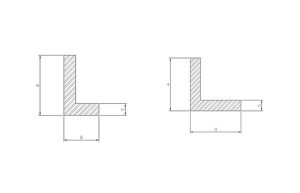
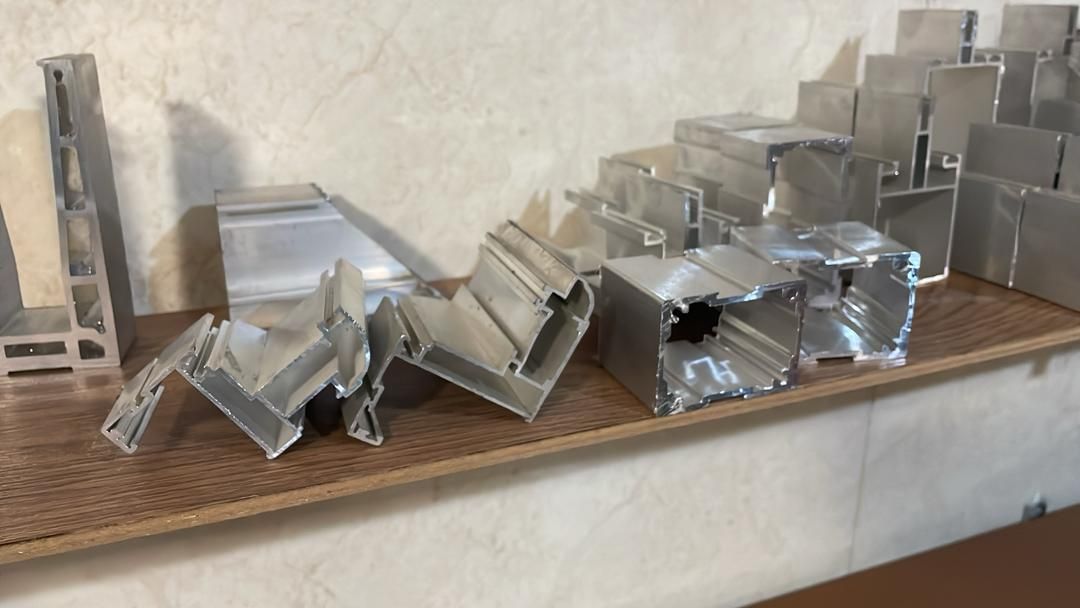
L-shaped aluminum profiles are created through a process called extrusion, where a metal billet is heated and pushed through a die to form the desired shape. The resulting L-shaped profiles feature a right-angle configuration, with one leg longer than the other. This simple yet effective design offers numerous benefits that make it suitable for a wide range of applications.
Versatility in Construction
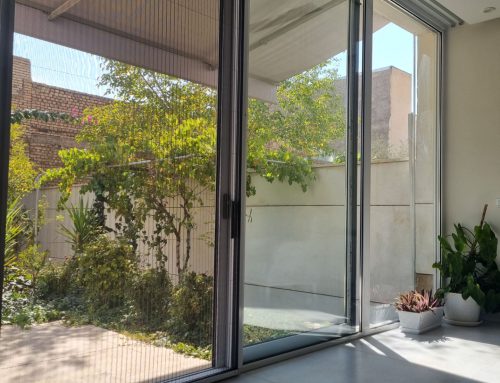
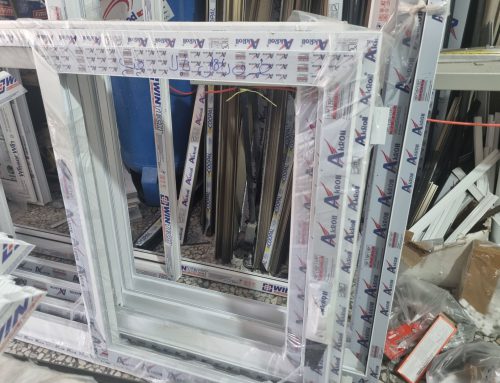
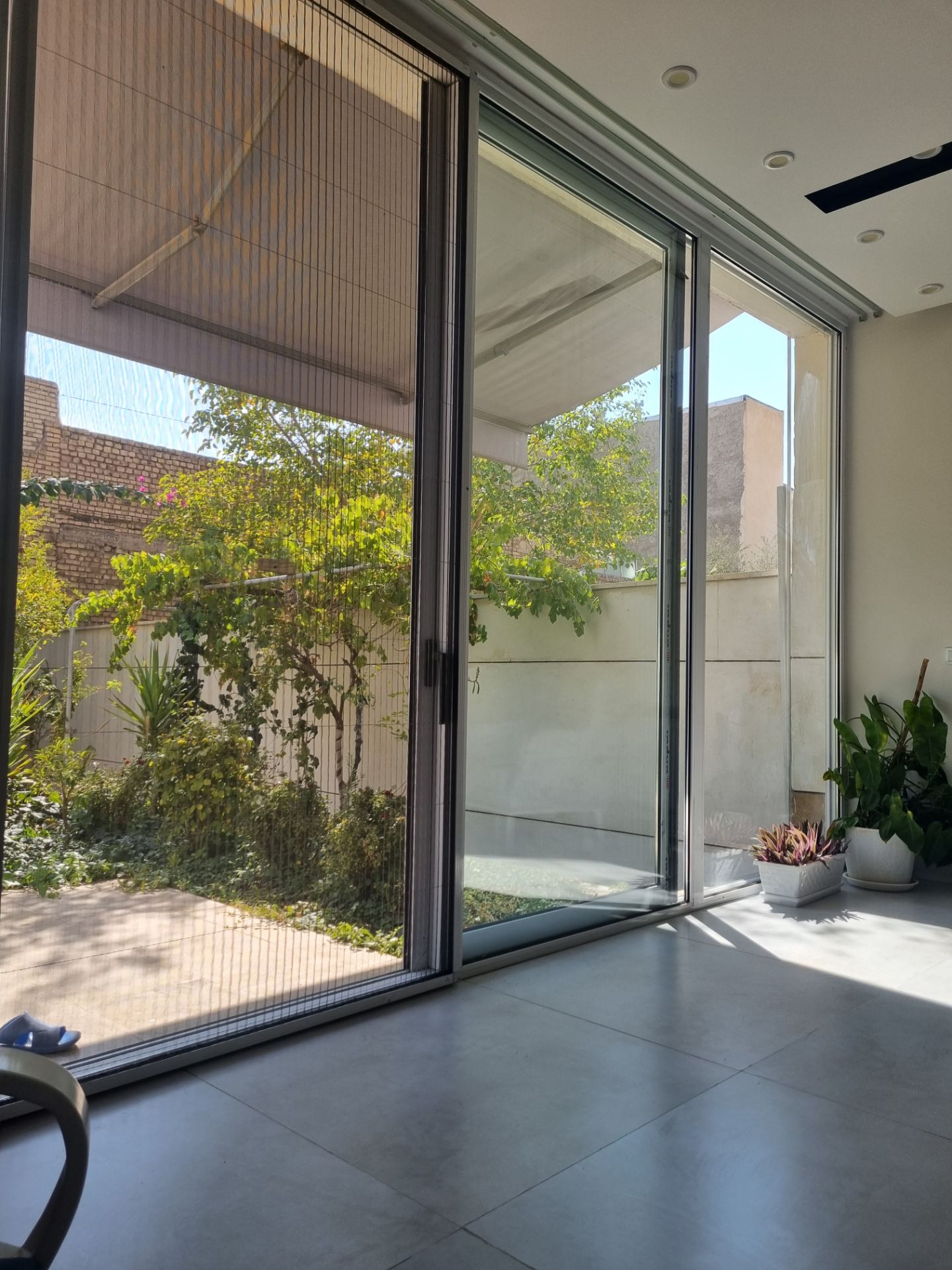
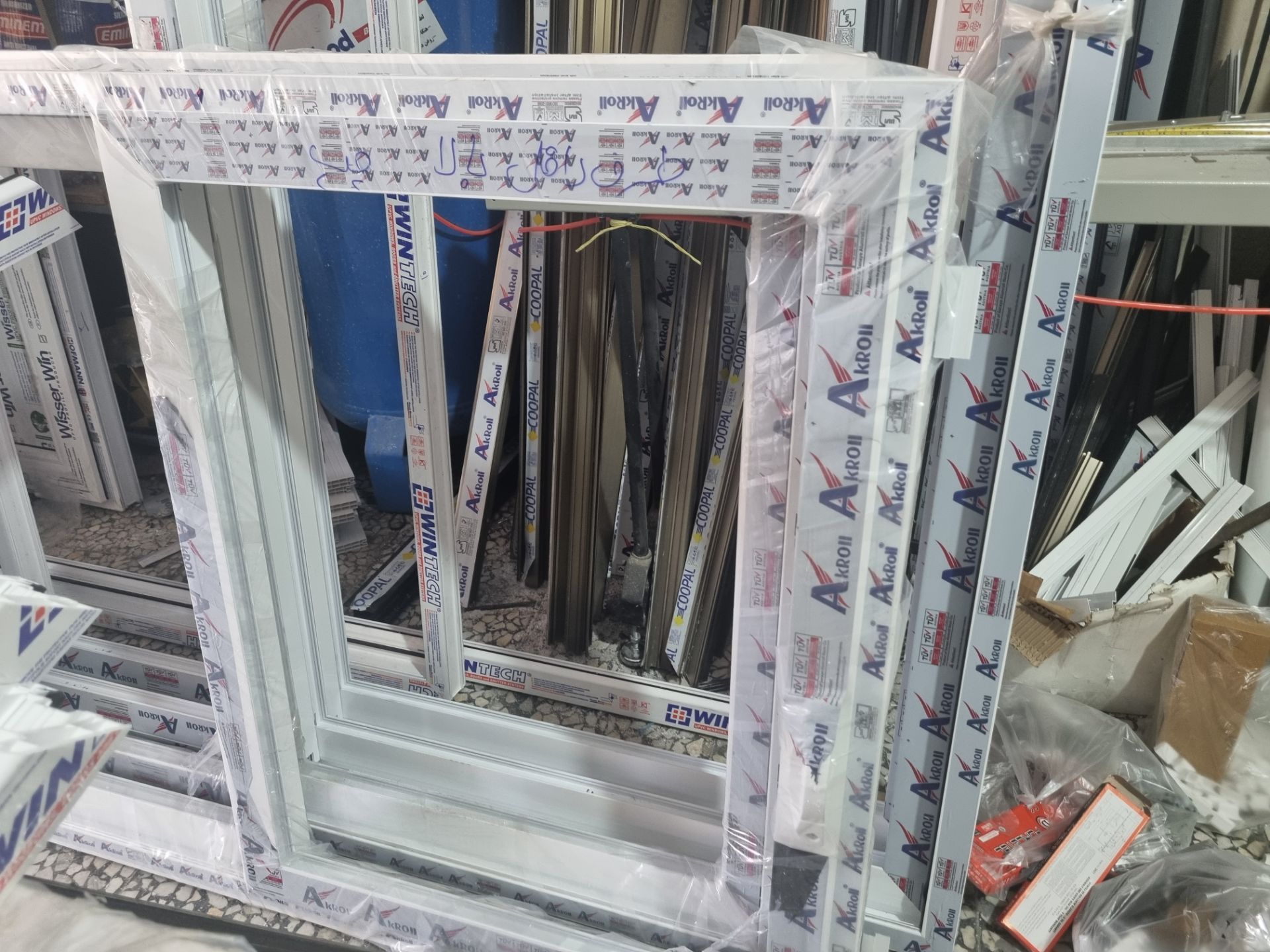
- Structural Framework: L-shaped aluminum profiles are widely used in the construction industry for their structural strength and durability. They can serve as the framework for doors, windows, curtain walls, and even entire building structures. The lightweight nature of aluminum makes it an ideal choice for these applications, as it reduces the overall weight of the structure while maintaining structural integrity.
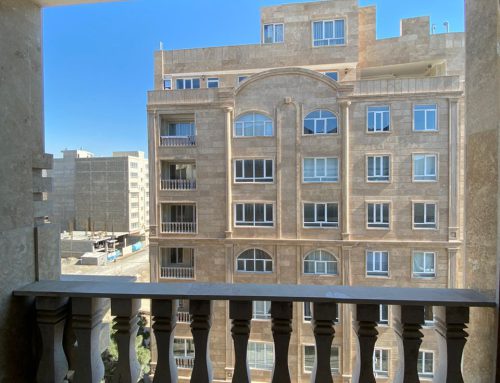
- Architectural Detailing: Beyond structural elements, L-shaped aluminum profiles are also utilized for architectural detailing. They can be used to create sleek and modern designs for interior and exterior finishes, such as cladding, railings, and trim.
- Modular Systems: L-shaped profiles are essential components of modular construction systems, facilitating rapid and efficient assembly. These systems are increasingly popular due to their cost-effectiveness and sustainability.
Transportation and Automotive Industry
- Vehicle Frames: In the automotive sector, L-shaped aluminum profiles find use in the construction of vehicle frames. The lightweight but sturdy nature of aluminum helps reduce fuel consumption while ensuring safety and durability.
- Aircraft Components: The aerospace industry utilizes L-shaped profiles for aircraft components, such as seat frames, cabin interiors, and structural elements. Aluminum’s corrosion resistance is a key factor in its selection for these applications.
Manufacturing and Machinery
- Conveyor Systems: L-shaped profiles are integral in the design of conveyor systems for various manufacturing processes. They provide a robust framework for transporting materials and products efficiently.
- Machine Guards: These profiles are used to create machine guards and enclosures, ensuring operator safety while allowing easy access for maintenance.
Electronics and Technology
- Racks and Enclosures: L-shaped aluminum profiles are used in the construction of racks and enclosures for servers, electronic components, and telecommunications equipment. They provide excellent thermal conductivity and electromagnetic shielding properties.
- Solar Panel Frames: In the renewable energy sector, L-shaped profiles are used to construct the frames that hold solar panels in place. Their corrosion resistance is particularly advantageous in outdoor applications.
Advantages of L-Shaped Aluminum Profiles
- Lightweight: Aluminum is significantly lighter than steel, making it easier to handle and transport, especially in the construction and transportation sectors.
- Corrosion Resistance: Aluminum naturally forms a protective oxide layer, giving it excellent resistance to corrosion, even in harsh environments.
- Design Flexibility: The extrusion process allows for the creation of custom profiles, making it easy to meet specific design requirements.
- Recyclability: Aluminum is highly recyclable, making it an environmentally friendly choice that aligns with sustainability goals.
Conclusion
L-shaped aluminum profiles have firmly established themselves as essential components in a multitude of industries. Their adaptability, strength, and corrosion resistance make them indispensable for a wide range of applications, and their popularity shows no sign of waning.
As technology advances and industries evolve, the demand for materials that can meet the challenges of modern manufacturing and construction practices is on the rise. L-shaped aluminum profiles not only meet these demands but also contribute to improved efficiency, reduced environmental impact, and enhanced product performance.
Moreover, the aluminum industry continues to innovate, introducing new alloys and manufacturing techniques that further expand the capabilities of L-shaped profiles. These innovations ensure that aluminum remains a competitive choice in various sectors, offering high-performance solutions for both traditional and emerging applications.
In an era marked by the pursuit of sustainability and resource efficiency, L-shaped aluminum profiles align perfectly with the principles of responsible manufacturing. Their lightweight nature reduces transportation costs and emissions, while their recyclability promotes a circular economy. Manufacturers and engineers, therefore, have a compelling reason to choose L-shaped aluminum profiles not only for their immediate needs but also for their long-term commitment to environmental stewardship.
In conclusion, whether you are building skyscrapers, designing aircraft, manufacturing machinery, or engineering cutting-edge technology, L-shaped aluminum profiles provide a reliable and adaptable solution. Their versatility makes them a valuable asset for any sector, and their enduring popularity attests to their unwavering utility in the modern world of industry and construction. As technology continues to advance and sustainability remains a top priority, the L-shaped aluminum profile will continue to be a cornerstone of innovation and progress across diverse sectors.

Leave A Comment