
Aluminum Extrusions for Automation
Introduction
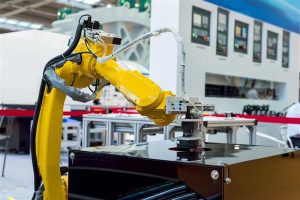
Automation has become an integral part of modern industries, offering increased efficiency, precision, and productivity. To achieve these benefits, industries are constantly searching for innovative solutions. One such solution is aluminum extrusions, which have rapidly gained prominence in the field of automation. Aluminum extrusions are versatile, lightweight, and cost-effective materials that have revolutionized the way automation systems are designed and built.
The Rise of Aluminium Extrusions in Automation
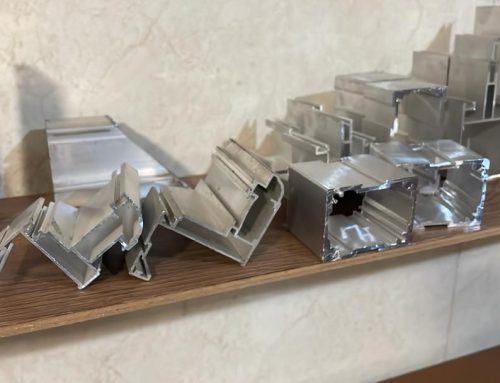
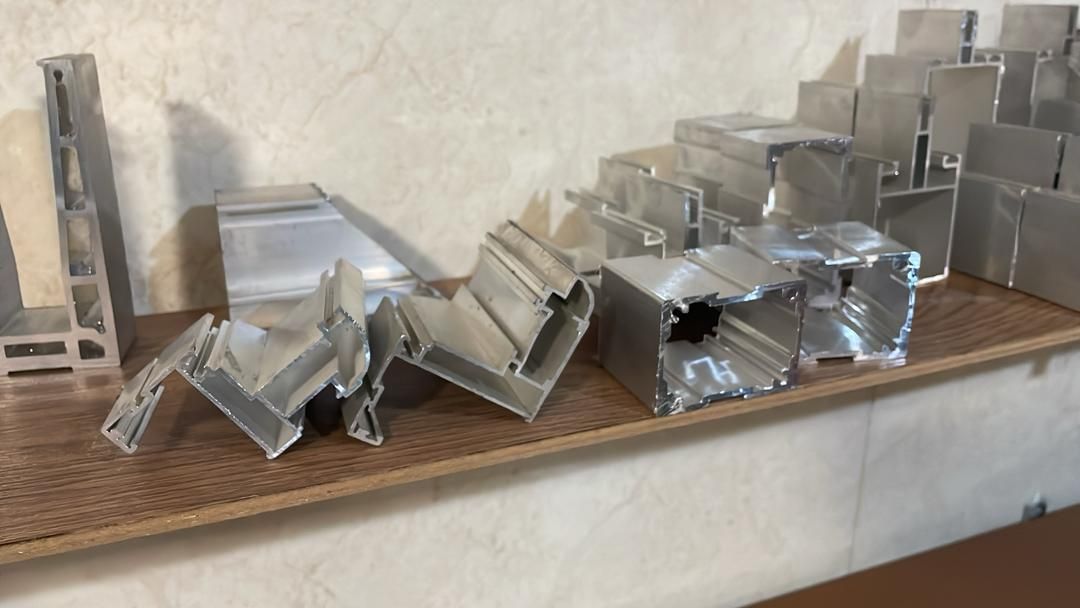
Aluminum extrusions are produced by pushing or pulling a billet of aluminum through a die with a specific cross-sectional profile. This process allows for the creation of complex shapes and structures with exceptional precision. As a result, aluminum extrusions have found widespread use in a wide range of industries, including automotive, aerospace, manufacturing, and more.
Here are some key reasons why aluminium extrusions have become indispensable in automation:
- Lightweight and Durable: Aluminum is renowned for its lightweight yet durable properties. When used in automation systems, it reduces the overall weight of machinery, making it easier to move and operate. Additionally, aluminum’s corrosion resistance ensures longevity, even in harsh industrial environments.
- Versatility in Design: Automation systems require custom designs to suit specific applications. Aluminum extrusions offer design flexibility, allowing engineers and designers to create intricate and tailored structures. These extrusions can be easily cut, drilled, and assembled to fit unique automation needs.
- Exceptional Strength-to-Weight Ratio: Aluminum extrusions provide an outstanding strength-to-weight ratio, making them ideal for constructing robust yet lightweight automation components and frames. This property helps in reducing energy consumption and improving efficiency.
- Cost-Efficiency: Compared to traditional materials like steel, aluminum extrusions are cost-effective. They reduce manufacturing costs while maintaining high-quality standards. This cost advantage allows businesses to invest in advanced automation technologies without breaking the bank.
- Easy Integration: Aluminum extrusions facilitate the integration of various components such as sensors, motors, and control systems. The T-slot design of many extrusions allows for easy mounting and adjustment of these components, streamlining the automation assembly process.
Applications of Aluminium Extrusions in Automation
The versatility of aluminum extrusions opens up a world of possibilities for automation applications:
- Conveyor Systems: Aluminum extrusions are commonly used in conveyor systems, providing a lightweight and robust framework for moving materials and products efficiently.
- Workstations and Assembly Lines: Assembly lines and workstations benefit from aluminum extrusions’ flexibility, as they allow for the easy integration of tools and fixtures to streamline production processes.
- Machine Frames: Automation equipment, such as robotic arms and CNC machines, can be constructed using aluminum extrusions, enhancing their portability and adaptability.
- Safety Enclosures: Aluminum extrusions are ideal for building safety enclosures around automation systems, protecting workers and machinery while maintaining visibility and accessibility.
- Custom Automation Solutions: The ability to create custom structures with aluminum extrusions is invaluable for businesses seeking tailored automation solutions for unique applications.
Challenges and Future Developments
While aluminum extrusions offer numerous advantages in automation applications, there are some challenges and ongoing developments worth noting:
- Structural Integrity: Although aluminum is strong, certain heavy-duty applications may require steel or other materials for added strength. Engineers must carefully assess load-bearing requirements when designing automation systems.
- Thermal Considerations: Aluminum has excellent thermal conductivity, which can be both an advantage and a drawback. In situations where temperature control is crucial, insulation or alternative materials may be necessary to prevent heat transfer.
- Environmental Concerns: As sustainability becomes increasingly important, businesses are exploring eco-friendly materials and manufacturing processes. Aluminum extrusions are recyclable, but the environmental footprint of aluminum production should be considered.
- Advanced Alloys: Ongoing research and development are leading to the creation of advanced aluminum alloys that offer even better strength, corrosion resistance, and thermal properties, further expanding their application in automation.
In the future, we can expect continued innovation in the use of aluminum extrusions for automation. This may involve the development of specialized extrusion profiles tailored to specific industries or the integration of smart technologies for real-time monitoring and control of automated systems.
The adoption of aluminum extrusions in automation systems is not just a technological evolution; it’s a strategic move towards a more efficient and sustainable industrial landscape. As industries increasingly prioritize environmental sustainability and adapt to evolving global challenges, aluminum extrusions align well with these goals. Here are some additional aspects to consider:
Sustainability: Aluminum is highly recyclable, and using aluminum extrusions in automation systems can contribute to a more sustainable manufacturing process. Recycled aluminum requires significantly less energy to produce, reducing the carbon footprint of automation-related components.
Energy Efficiency: The lightweight nature of aluminum extrusions leads to reduced energy consumption, particularly in the transportation and operation of automation systems. Lighter systems require less power for movement, leading to energy savings and cost reduction over the long term.
Global Adoption: Aluminum extrusions are being embraced worldwide, transcending industry boundaries. Their universal appeal makes it easier for companies to collaborate globally, standardizing components and promoting efficient automation solutions across borders.
Integration with Emerging Technologies: As automation evolves with the integration of artificial intelligence, machine learning, and the Internet of Things (IoT), aluminum extrusions provide a suitable foundation. Their adaptability allows for easy incorporation of sensors, communication devices, and other smart technologies into automation systems.
Competitive Advantage: Companies that invest in aluminum extrusions for automation gain a competitive edge. They can respond more quickly to market changes, adapt their production processes, and reduce operational costs, all of which contribute to maintaining or improving their market position.
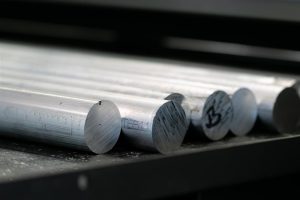
In conclusion, aluminum extrusions have become a cornerstone of modern automation, empowering industries to adapt to the demands of the 21st century. Their lightweight, versatile, and cost-effective attributes, coupled with their environmental advantages, make them an essential choice for businesses striving to remain competitive in an increasingly automated world. As we move forward, it’s essential to stay attuned to the evolving landscape of automation and continue exploring innovative ways to utilize aluminum extrusions for even more efficient and sustainable industrial solutions.





Leave A Comment