
Implementation of louvres: Fixed and movable louvres on the facade of the building
Introduction
Implementation of louvres: Fixed and movable louvres on the facade of the building ,Louvres are architectural elements designed to provide ventilation and regulate sunlight while adding aesthetic value to building facades. These systems can be fixed or movable, each offering unique benefits and applications. This article explores the implementation of fixed and movable louvres, highlighting their advantages, design considerations, and impact on building performance.
Fixed Louvres
Design and Functionality
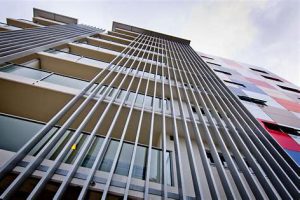
Fixed louvres are stationary elements typically made from materials like aluminum, wood, or steel. They are designed to allow airflow while blocking direct sunlight and rain. Fixed louvres are often arranged in horizontal or vertical patterns, creating a distinctive visual appeal.
Advantages
- Durability and Low Maintenance: With no moving parts, fixed louvres are highly durable and require minimal maintenance.
- Cost-Effective: Fixed louvres are generally less expensive to install than their movable counterparts due to their simple design and lack of mechanical components.
- Consistent Performance: These louvres provide constant shading and ventilation, which can be beneficial for buildings in climates with steady weather patterns.
Applications
Fixed louvres are ideal for buildings in areas with predictable climates. They are commonly used in commercial buildings, residential complexes, and institutional structures. Their design can be customized to suit various architectural styles and aesthetic preferences.
Movable Louvres
Design and Functionality
Movable louvres incorporate mechanisms that allow them to change position. These systems can be manually operated or motorized, offering flexibility in controlling light, heat, and airflow. Movable louvres are often integrated with building automation systems for optimal performance.
Advantages
- Enhanced Comfort: Movable louvres can be adjusted to respond to changing weather conditions, providing optimal indoor comfort throughout the day and seasons.
- Energy Efficiency: By regulating the amount of sunlight entering the building, movable louvres can significantly reduce heating and cooling loads, leading to energy savings.
- Versatility: These systems offer more design flexibility, as they can be configured to meet specific environmental and aesthetic requirements.
Applications
Movable louvres are suitable for buildings that require dynamic environmental control, such as offices, educational institutions, and high-end residential properties. They are particularly beneficial in regions with variable climates, where adjusting shading and ventilation can enhance occupant comfort and reduce energy consumption.
Implementation Considerations
Aesthetic Integration
Both fixed and movable louvres should be designed to complement the building’s overall architectural style. This includes selecting materials, colors, and finishes that harmonize with other facade elements.
Structural Support
The building’s structure must be capable of supporting the louvres, especially for large or heavy systems. Engineers need to ensure that the facade can withstand the additional load and any wind forces acting on the louvres.
Maintenance and Accessibility
While fixed louvres require minimal maintenance, movable louvres need regular inspection and servicing to ensure smooth operation. Accessibility for maintenance personnel should be considered during the design phase to facilitate easy upkeep.
Environmental Impact
The environmental benefits of louvres extend beyond energy savings. By reducing reliance on artificial lighting and HVAC systems, louvres contribute to lower greenhouse gas emissions. The choice of sustainable materials for louvres can further enhance their environmental credentials.
Fixed Louvres
Case Study 1: Educational Institution
A university building in a temperate climate zone implemented fixed louvres to enhance natural ventilation and reduce reliance on air conditioning. The louvres, made of anodized aluminum, were designed to blend with the modern architecture of the campus. By strategically placing the louvres on the south and west facades, the building achieved a 15% reduction in energy consumption, primarily due to decreased cooling loads during peak summer months.
Case Study 2: Commercial Office Building
A commercial office building in an urban setting utilized fixed wooden louvres to create a striking facade while providing shade for occupants. The fixed louvres were designed to block direct sunlight during the hottest part of the day, reducing glare and enhancing indoor comfort. The use of sustainable timber also contributed to the building’s green certification, highlighting the environmental benefits of the louvre system.
Movable Louvres
Case Study 1: Corporate Headquarters
A corporate headquarters in a region with hot summers and cold winters installed motorized movable louvres to optimize indoor climate control. The louvres, controlled by an advanced building management system, automatically adjust based on the sun’s position and indoor temperature sensors. This system allowed the building to maintain a consistent indoor environment, leading to a 20% reduction in energy costs for heating and cooling.
Case Study 2: Luxury Residential Tower
A luxury residential tower in a coastal city employed movable louvres to provide residents with the ability to control their exposure to sunlight and enhance privacy. The motorized louvres, integrated with smart home technology, allowed residents to adjust the louvres using a mobile app. This level of control not only improved comfort but also contributed to the building’s overall energy efficiency by reducing the need for artificial lighting and air conditioning.
Future Trends
The future of louvre implementation on building facades is poised to be shaped by technological advancements and increasing environmental consciousness. Some emerging trends include:
- Integration with Smart Building Systems: As smart buildings become more prevalent, the integration of louvres with automated systems will become standard. These systems will allow for real-time adjustments based on weather conditions and occupancy patterns, maximizing energy efficiency and occupant comfort.
- Use of Sustainable Materials: The push for sustainable construction practices will drive the adoption of eco-friendly materials in louvre design. Innovations in material science may lead to the development of louvres made from recycled materials or those with enhanced thermal properties.
- Dynamic Facades: Future building facades might feature more dynamic louvre systems that can change not just their orientation but also their transparency and insulation properties. This could involve the use of smart glass or other adaptive materials that respond to environmental conditions.
- Energy Harvesting Louvres: Louvres with integrated photovoltaic cells or other energy-harvesting technologies could become more common. These systems would generate renewable energy while providing the traditional benefits of shading and ventilation.
Recommendations for Implementation
For Architects and Designers:
- Early Integration: Consider louvres early in the design process to ensure they harmonize with the building’s architecture and performance goals.
- Material Selection: Choose materials that not only meet aesthetic requirements but also contribute to the durability and sustainability of the louvre system.
- Customization: Tailor the design of the louvres to the specific climate and environmental conditions of the building’s location.
For Engineers:
- Structural Analysis: Ensure the building’s facade can support the additional load of the louvres, particularly for large or heavy systems.
- Mechanism Reliability: For movable louvres, select high-quality motors and control systems to ensure long-term reliability and ease of operation.
- Maintenance Access: Design with maintenance in mind, ensuring that louvres are easily accessible for cleaning and repairs.
For Building Owners and Facility Managers:
- Energy Performance Monitoring: Implement systems to monitor the energy performance of the louvres, making adjustments as needed to optimize efficiency.
- Regular Maintenance: Schedule regular maintenance for movable louvres to ensure they operate smoothly and efficiently.
- Occupant Training: Educate building occupants on how to use movable louvres effectively to maximize comfort and energy savings.
Recommendations for Implementation
For Architects and Designers:
- Early Integration: Consider louvres early in the design process to ensure they harmonize with the building’s architecture and performance goals.
- Material Selection: Choose materials that not only meet aesthetic requirements but also contribute to the durability and sustainability of the louvre system.
- Customization: Tailor the design of the louvres to the specific climate and environmental conditions of the building’s location.
For Engineers:
- Structural Analysis: Ensure the building’s facade can support the additional load of the louvres, particularly for large or heavy systems.
- Mechanism Reliability: For movable louvres, select high-quality motors and control systems to ensure long-term reliability and ease of operation.
- Maintenance Access: Design with maintenance in mind, ensuring that louvres are easily accessible for cleaning and repairs.
For Building Owners and Facility Managers:
- Energy Performance Monitoring: Implement systems to monitor the energy performance of the louvres, making adjustments as needed to optimize efficiency.
- Regular Maintenance: Schedule regular maintenance for movable louvres to ensure they operate smoothly and efficiently.
- Occupant Training: Educate building occupants on how to use movable louvres effectively to maximize comfort and energy savings.
Final Thoughts
As the demand for sustainable and efficient buildings grows, the implementation of louvres on building facades will play a critical role in meeting these objectives. By carefully selecting and designing both fixed and movable louvres, architects, engineers, and building owners can significantly enhance the performance and aesthetic appeal of their buildings. Future innovations in louvre technology promise even greater benefits, making them an essential component of modern and sustainable architectural design.
The balance of aesthetics, functionality, and environmental responsibility underscores the importance of thoughtful louvre implementation. Whether in commercial, residential, or institutional buildings, louvres contribute to a more sustainable built environment, improving not only the energy efficiency of buildings but also the comfort and well-being of their occupants.
Louvres, through their strategic implementation, can transform buildings into models of efficiency and beauty, setting new standards in architectural design. As we continue to push the boundaries of what is possible in building technology, louvres will undoubtedly remain at the forefront of innovations that drive the industry forward, Implementation of louvres: Fixed and movable louvres on the facade of the building.

Leave A Comment