
Implementation of curtain wall: sales of curtains and curtain wall tools, curtains
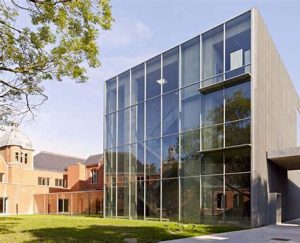
Implementation of curtain wall: sales of curtains and curtain wall tools, curtains ,In the realm of architecture and interior design, the implementation of curtain wall systems represents a pivotal fusion of functionality and aesthetic appeal. While the term “curtain wall” traditionally refers to the non-structural outer covering of a building, resembling a series of vertical and horizontal elements, its contemporary interpretation spans beyond mere structural enclosure. Today, it embodies a multifaceted approach that integrates innovative materials, advanced technology, and dynamic design principles to redefine the built environment.
The Evolution of Curtain Walls
Historically, curtain walls were primarily composed of glass panels framed with aluminum or steel, intended to offer a lightweight, non-load-bearing solution to encase modern buildings. Their development paralleled the rise of skyscrapers and modernist architecture in the early 20th century, championed by architects seeking to maximize natural light and visual transparency.
Over time, advancements in engineering and material science have revolutionized curtain wall design. Modern iterations now incorporate high-performance materials such as composite metals, photovoltaic cells, and advanced coatings that enhance energy efficiency, durability, and aesthetic versatility. This evolution has spurred a renewed interest in curtain walls not only as architectural necessities but as design statements that harmonize with environmental sustainability goals and occupant comfort.
Sales Dynamics in the Curtain Wall Industry
The implementation of curtain wall systems involves a complex interplay between architects, engineers, developers, and manufacturers. The sales of curtain wall components, including glass panels, framing systems, and installation hardware, are critical to translating architectural concepts into tangible structures.
- Architectural Vision and Design Integration: Architects envision curtain walls as integral elements of their designs, balancing functional requirements with artistic expression. Sales of curtain wall solutions involve collaborating closely with architectural firms to customize designs that meet structural specifications, aesthetic preferences, and environmental performance standards.
- Engineering Precision and Manufacturing: The complexity of curtain wall systems necessitates meticulous engineering and precision manufacturing. Suppliers of curtain wall tools and components play a pivotal role in providing tailored solutions that align with project timelines and budgetary constraints. This involves offering a diverse range of products, from basic fasteners to sophisticated sealing technologies, which ensure the integrity and longevity of curtain wall installations.
- Market Trends and Technological Advancements: The curtain wall industry is characterized by rapid technological advancements and shifting market trends. Innovations in digital modeling, building information modeling (BIM), and prefabrication techniques have streamlined the design-to-installation process, enhancing project efficiency and cost-effectiveness. Sales strategies often incorporate these advancements to offer comprehensive solutions that cater to evolving architectural preferences and regulatory requirements.
The Role of Curtains in Enhancing Interior Spaces
Beyond their exterior applications, curtains play an essential role in interior design by offering privacy, light control, and aesthetic enhancement. The synergy between curtain wall systems and interior curtains underscores their complementary relationship in shaping spatial experiences. Interior designers leverage curtains as versatile design elements that modulate natural light, define spatial boundaries, and introduce textural contrast within architectural settings.
- Design Versatility and Customization: Interior curtains are available in a myriad of materials, patterns, and styles, ranging from sheer fabrics that filter sunlight to blackout curtains that ensure complete privacy. Sales of curtains involve catering to diverse consumer preferences and interior design schemes, emphasizing customization options that align with residential, commercial, and institutional applications.
- Functional Performance and Sustainability: Modern curtains are engineered to deliver enhanced functional performance, such as thermal insulation, sound attenuation, and UV protection. Eco-conscious consumers increasingly prioritize sustainable materials and manufacturing practices, prompting suppliers to offer eco-friendly curtain options that contribute to indoor environmental quality and energy efficiency.
- Market Accessibility and Consumer Engagement: The accessibility of curtains across online platforms and retail outlets has democratized consumer access, facilitating informed purchasing decisions based on product specifications, reviews, and visual inspirations. Sales strategies encompass digital marketing initiatives, interactive product demonstrations, and personalized customer service to foster meaningful engagements and cultivate brand loyalty.
The Future Outlook
Looking ahead, the future of curtain wall systems and curtains promises continued evolution and innovation. Emerging trends in sustainability, digitalization, and user-centric design are poised to reshape industry dynamics and consumer expectations.
- Sustainability and Environmental Responsibility: The drive towards sustainable building practices and materials underscores a growing demand for eco-friendly curtain wall solutions and curtains. Manufacturers are increasingly investing in recyclable materials, energy-efficient technologies, and carbon-neutral manufacturing processes to minimize environmental impact. This sustainability ethos extends to interior curtains, with eco-conscious consumers seeking products that contribute to healthier indoor environments and reduce overall carbon footprints.
- Digitalization and Technological Integration: The integration of digital tools, such as advanced modeling software and virtual reality (VR), enhances the design, fabrication, and installation processes of curtain wall systems. Virtual mock-ups and simulations enable architects and clients to visualize designs in real-time, fostering collaboration and informed decision-making. Similarly, smart curtain solutions equipped with automation and connectivity features are gaining traction, offering users enhanced control over light, privacy, and energy consumption within interior spaces.
- User-Centric Design and Customization: Personalization remains a cornerstone of contemporary design trends, influencing both curtain wall systems and interior curtains. Customizable options, from tailored sizes and colors to innovative textile compositions, empower consumers to curate spaces that reflect their unique preferences and lifestyle needs. This emphasis on user-centric design extends beyond aesthetics to encompass functionality, comfort, and long-term usability, ensuring that curtain wall solutions and curtains seamlessly integrate into diverse architectural contexts.
Market Dynamics and Global Influence
Globally, the curtain wall industry continues to exhibit robust growth, driven by urbanization trends, infrastructure development, and increasing investments in commercial and residential construction. Regional variations in architectural styles, regulatory frameworks, and climate considerations shape market dynamics, influencing product specifications, design preferences, and adoption rates of curtain wall systems and curtains.
- Regional Market Insights: In densely populated urban centers across Asia and the Middle East, high-rise construction and urban renewal projects fuel demand for innovative curtain wall solutions that enhance building aesthetics and energy performance. In contrast, European markets prioritize heritage preservation and sustainable design principles, prompting manufacturers to develop adaptive solutions that blend historical charm with contemporary functionality.
- Economic Resilience and Industry Adaptation: The resilience of the curtain wall industry is underscored by its adaptability to economic fluctuations and shifting consumer priorities. Strategic partnerships between architects, developers, and manufacturers drive industry innovation and market expansion, fostering collaborative ecosystems that promote technological advancement and design excellence.
Challenges and Innovations
Despite the advancements and promising outlook, the implementation of curtain wall systems and the sale of curtains face several challenges that necessitate ongoing innovation and adaptation.
- Technical Complexity and Integration: The complexity of curtain wall systems requires precise engineering, seamless integration with building structures, and adherence to stringent safety standards. Innovations in modular construction techniques, prefabrication, and robotic assembly are streamlining installation processes, reducing project timelines, and enhancing overall project efficiency.
- Regulatory Compliance and Sustainability: Evolving regulatory landscapes and sustainability mandates influence product development and market adoption. Manufacturers are increasingly focused on achieving certifications for energy efficiency, thermal performance, and environmental impact mitigation. Regulatory compliance ensures that curtain wall systems and curtains contribute to sustainable building practices and meet stringent performance criteria across global markets.
- Cost Considerations and Market Competitiveness: The cost-effectiveness of curtain wall solutions and curtains remains a critical consideration for stakeholders across the construction value chain. Balancing cost efficiency with quality craftsmanship and design innovation requires strategic sourcing, value engineering, and operational efficiencies. Industry leaders are leveraging economies of scale, strategic partnerships, and technological advancements to maintain competitive pricing without compromising product integrity or performance.
Collaboration and Industry Leadership
The future viability of curtain wall systems and curtains hinges on collaborative efforts among architects, engineers, manufacturers, and regulatory bodies. Industry associations and trade organizations play a pivotal role in promoting knowledge exchange, advocating for industry standards, and fostering innovation-driven partnerships.
- Research and Development Initiatives: Investments in research and development are pivotal in driving technological breakthroughs and market innovations. Collaborative R&D initiatives focus on advancing material science, digital modeling capabilities, and sustainable manufacturing practices to meet evolving market demands and regulatory requirements.
- Education and Professional Development: Continuous education and professional development programs empower industry professionals to stay abreast of emerging trends, regulatory updates, and technological advancements. Training programs in digital design tools, sustainability practices, and installation techniques ensure workforce readiness and foster a culture of lifelong learning within the curtain wall and curtain industry.
Emerging Trends and Consumer Preferences
As the curtain wall industry evolves, several emerging trends and consumer preferences are shaping the trajectory of both curtain wall systems and interior curtains.
- Biophilic Design Integration: There is a growing emphasis on integrating biophilic design principles into curtain wall systems and interior spaces. Biophilic design seeks to reconnect people with nature by incorporating natural elements, such as green walls, living facades, and daylight optimization strategies. Manufacturers and designers are exploring innovative approaches to integrate biophilic elements into curtain wall designs, enhancing occupant well-being, and fostering connections with the natural environment.
- Health and Wellness Considerations: The global focus on health and wellness has prompted advancements in curtain wall technologies that prioritize indoor air quality, acoustic performance, and occupant comfort. High-performance curtain wall systems now feature enhanced thermal insulation, sound attenuation properties, and air filtration systems to create healthier indoor environments. Similarly, interior curtains are designed with anti-microbial fabrics and allergen-resistant materials to promote a clean and comfortable living or working environment.
- Smart Technologies and Connectivity: The rise of smart buildings and IoT (Internet of Things) technologies is influencing the evolution of curtain wall systems and curtains. Smart curtain systems equipped with automation, remote control functionalities, and sensor integration offer users unprecedented control over light exposure, privacy levels, and energy efficiency. Likewise, advancements in smart glass technologies allow curtain walls to dynamically adjust transparency, shading, and solar heat gain, optimizing building performance and user comfort.
Global Impact and Sustainability Initiatives
On a global scale, the curtain wall industry is increasingly aligned with sustainability initiatives and climate action goals. Manufacturers and developers are prioritizing energy-efficient designs, recycled materials, and lifecycle assessments to minimize environmental footprints throughout the product lifecycle.
- Circular Economy Practices: Embracing principles of the circular economy, stakeholders in the curtain wall industry are exploring opportunities for material reuse, recycling, and repurposing. Closed-loop recycling systems for aluminum framing, eco-friendly glass compositions, and sustainable textile sourcing for curtains exemplify industry efforts to reduce waste and promote resource conservation.
- Net-Zero Building Standards: The drive towards net-zero energy buildings is accelerating the adoption of curtain wall systems with enhanced thermal performance and renewable energy integration capabilities. Innovations in building-integrated photovoltaics (BIPV) and passive design strategies enable curtain walls to contribute to on-site energy generation and reduce reliance on fossil fuels.
Challenges in Implementation and Solutions
Despite the advancements and positive trends, the implementation of curtain wall systems and the sale of curtains face significant challenges that require proactive solutions.
- Complexity in Design and Installation: The intricate nature of curtain wall systems demands meticulous design coordination and precise installation processes. Architects, engineers, and contractors must collaborate closely to ensure compatibility with building structures, meet regulatory requirements, and address site-specific challenges. Innovations in digital modeling, prefabrication, and on-site assembly techniques are instrumental in streamlining installation complexities and enhancing project efficiency.
- Durability and Maintenance: Long-term durability and maintenance requirements pose challenges for curtain wall systems and curtains, particularly in harsh climates or high-traffic environments. Manufacturers are investing in durable materials, protective coatings, and proactive maintenance programs to prolong service life and minimize lifecycle costs. Regular inspections, cleaning protocols, and retrofitting options ensure that curtain walls and curtains maintain their performance and aesthetic appeal over time.
- Cost Management and Affordability: Cost considerations remain paramount in the adoption of curtain wall systems and curtains, influencing project feasibility and market competitiveness. Industry stakeholders are exploring cost-effective design alternatives, value engineering strategies, and financing solutions to mitigate upfront expenses without compromising quality or performance. Collaborative procurement models and strategic sourcing partnerships enable stakeholders to achieve cost efficiencies and deliver value-driven solutions to clients.
Future Directions and Innovation Pathways
Looking ahead, the future of curtain wall systems and curtains is characterized by continuous innovation, sustainability advancements, and adaptive responses to global challenges.
- Innovative Materials and Technologies: Research and development efforts are focusing on breakthrough materials, such as bio-based composites, self-healing coatings, and transparent photovoltaic cells, to enhance performance and functionality of curtain wall systems. Advancements in digital fabrication, 3D printing, and robotic assembly techniques are revolutionizing manufacturing processes and expanding design possibilities for architects and designers.
- Resilience and Adaptation: The resilience of curtain wall systems and curtains against climate change impacts, natural disasters, and evolving regulatory landscapes is driving innovation in resilient design strategies. Integrated resilience planning, climate-responsive design criteria, and adaptive reuse principles are guiding industry practices towards creating robust and sustainable built environments that withstand future challenges.
Collaborative Ecosystems and Industry Leadership
The future of curtain wall systems and the sale of curtains relies heavily on fostering collaborative ecosystems and cultivating industry leadership.
- Industry Collaboration: Collaboration across disciplines—from architects and engineers to manufacturers and contractors—is crucial for advancing innovation and addressing complex challenges. Industry associations and forums play a pivotal role in facilitating knowledge exchange, promoting best practices, and advocating for industry standards that elevate design excellence and sustainability across global markets.
- Cross-Sector Partnerships: Strategic partnerships between the curtain wall industry and adjacent sectors, such as renewable energy, digital technology, and material science, drive interdisciplinary innovation and market diversification. Joint research initiatives, shared resources, and collaborative projects enable stakeholders to leverage complementary expertise and explore new frontiers in building performance, environmental stewardship, and user-centric design.
Global Impact and Cultural Integration
On a global scale, the impact of curtain wall systems and curtains transcends geographical boundaries, influencing architectural landscapes, urban development patterns, and cultural identities.
- Cultural Integration and Design Diversity: The adaptation of curtain wall systems and interior curtains to diverse cultural contexts and architectural traditions underscores their role in shaping cultural identities and preserving heritage. Customizable design options, localized manufacturing capabilities, and sensitivity to cultural aesthetics enable stakeholders to create spaces that resonate with local communities while meeting global standards of sustainability and performance.
- Urbanization and Megaprojects: Rapid urbanization trends and megaprojects in emerging economies present opportunities for innovation and market expansion within the curtain wall industry. Urban developers and government agencies are increasingly prioritizing sustainable building practices, resilience planning, and integrated urban design strategies that leverage curtain wall systems to enhance urban connectivity, mitigate environmental impacts, and promote inclusive growth.
Conclusion: Visionary Futures and Sustainable Legacies
In conclusion, the implementation of curtain wall systems and the sale of curtains are integral to shaping visionary futures and leaving sustainable legacies in the built environment. By embracing collaboration, fostering industry leadership, and embracing global impact, stakeholders can navigate challenges, seize opportunities, and drive transformative change that enhances quality of life and promotes environmental stewardship worldwide.
As the curtain wall industry evolves, its collective commitment to innovation, sustainability, and cultural integration will continue to redefine architectural landscapes, elevate urban environments, and inspire future generations of designers, developers, and stakeholders. Together, we can build a more resilient, inclusive, and sustainable world where curtain walls and curtains not only enhance functionality and aesthetics but also contribute to thriving communities and enduring architectural excellence, Implementation of curtain wall: sales of curtains and curtain wall tools, curtains , Implementation of curtain wall: sales of curtains and curtain wall tools, curtains.

Leave A Comment