
The Cost of an Exterior Glass Wall: Factors, Considerations, and Benefits

An exterior glass wall, also known as a curtain wall, is a popular architectural feature that has gained immense popularity in modern building design. This sleek and contemporary element offers numerous advantages, such as allowing natural light to flood interior spaces, providing stunning views, and creating a seamless connection between the indoors and outdoors. However, like any construction project, the cost of installing an exterior glass wall can vary significantly depending on several factors. In this article, we’ll explore the key considerations that affect the cost of an exterior glass wall and the benefits it brings to the table.
Factors Influencing the Cost:
- Size and Design Complexity: The size of the glass wall is one of the most significant cost determinants. Larger walls with more intricate designs will require more materials and labor, leading to higher expenses.
- Glass Quality and Type: The type of glass used in the wall plays a crucial role in the cost. Standard clear glass is more affordable compared to specialty options such as tempered, laminated, or insulated glass, which offer additional benefits like increased safety, energy efficiency, and sound insulation.
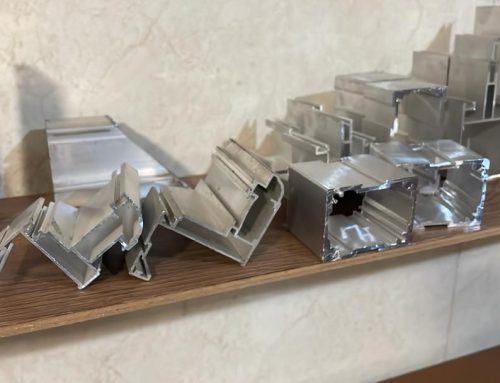
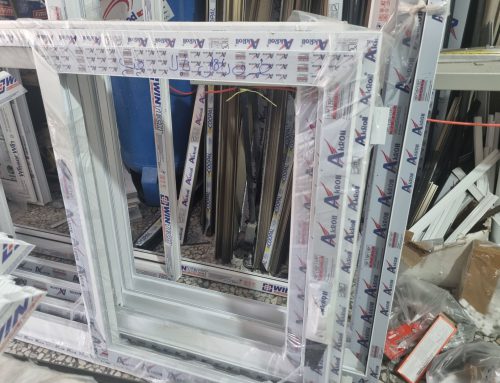
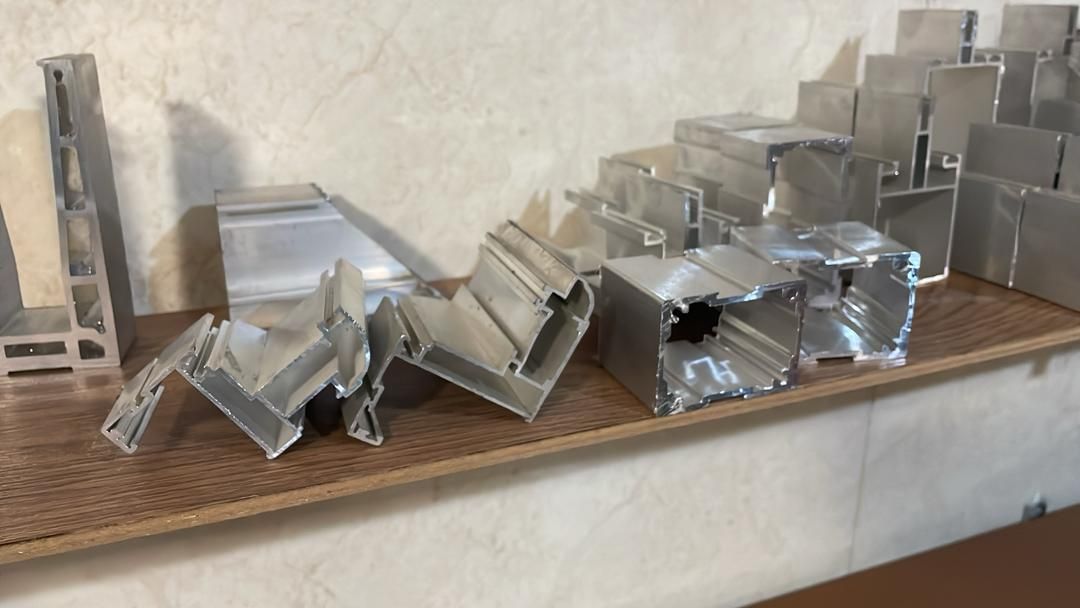
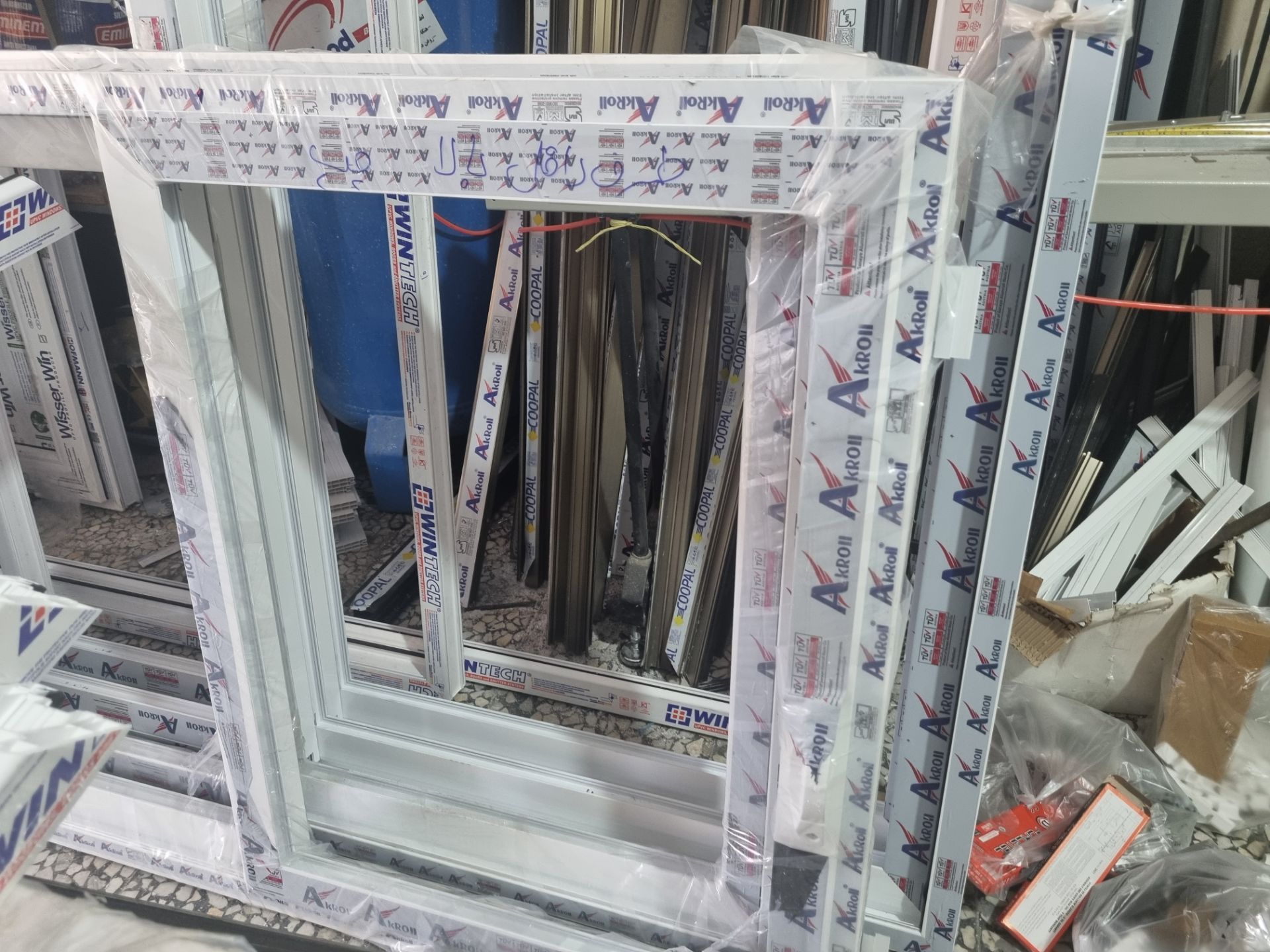
- Frame Material: The material used for the frame also affects the cost. Common choices include aluminum, steel, and, in some cases, wood or vinyl. Each material comes with its price point and maintenance considerations.
- Location and Accessibility: The location of the building and the ease of access for installation will impact the overall cost. Difficult-to-reach areas or sites with challenging logistics may require specialized equipment and increase labor costs.
- Energy Efficiency Features: Incorporating energy-efficient features like Low-E coatings or argon gas-filled panes will add to the upfront cost but can lead to significant savings on energy bills in the long run.
- Structural Considerations: The building’s structural integrity needs to support the weight of the glass wall. In some cases, additional reinforcement might be necessary, which can increase costs.
- Labor Costs: The complexity of the installation process and the availability of skilled labor in the area will influence labor costs.
Cost Ranges:
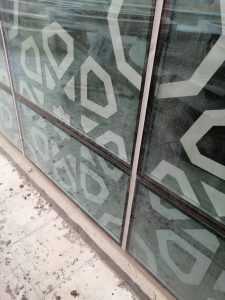
It’s challenging to provide an exact figure for the cost of an exterior glass wall, given the numerous variables involved. However, to give a rough estimate, exterior glass walls can cost anywhere from $200 to $1,200 per square foot or more. This wide range accounts for the factors mentioned above and the quality of materials and workmanship.
Benefits of Exterior Glass Walls:
Despite the initial investment, exterior glass walls offer several benefits that can make them well worth the cost:
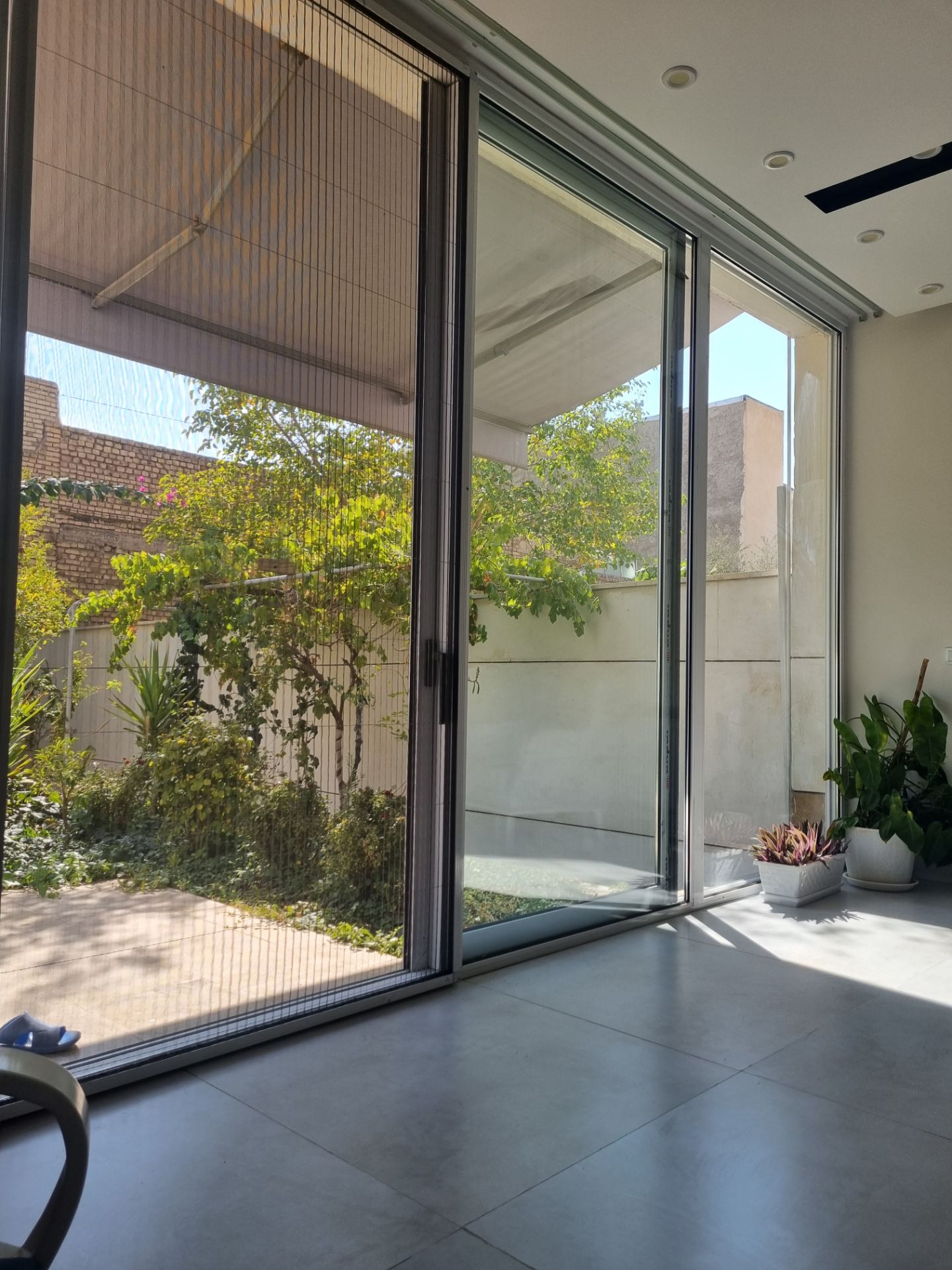
- Natural Light: The abundant natural light that enters through the glass walls reduces the need for artificial lighting during the day, leading to potential energy savings.
- Aesthetics: Glass walls impart a modern and sophisticated look to a building’s exterior, making it visually appealing and enhancing its overall value.
- Energy Efficiency: With energy-efficient glass and proper insulation, exterior glass walls can contribute to better thermal performance, reducing heating and cooling costs.
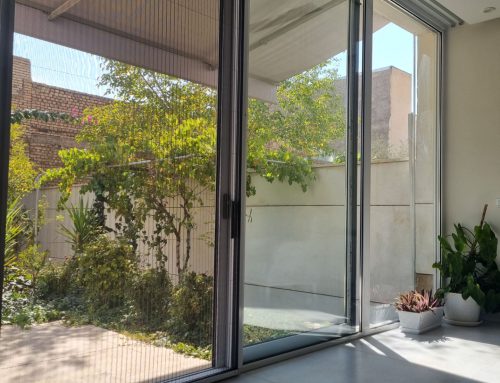
- Connection to Nature: Occupants can enjoy unobstructed views of the surrounding landscape, fostering a sense of connection to nature and the outdoors.
- Productivity and Wellbeing: Research suggests that exposure to natural light and views of nature can improve productivity and the overall well-being of occupants.
- Flexibility and Design Options: Exterior glass walls offer versatility in design, allowing architects to create unique and custom solutions that meet the specific needs of the building and its occupants.
Choosing the Right Exterior Glass Wall:
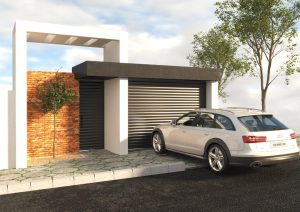
When deciding on an exterior glass wall, it’s essential to consider the specific requirements and goals of your project. Here are some key factors to keep in mind:
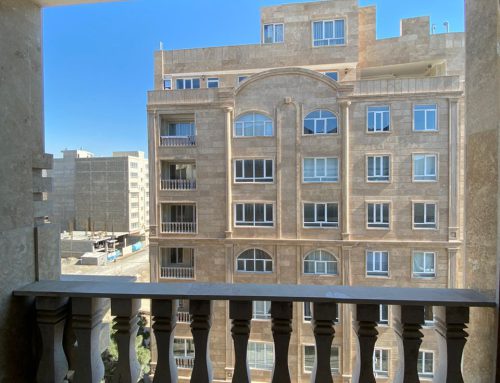
- Architectural Vision: Consider how the glass wall fits into the overall architectural vision of the building. The design should harmonize with the surrounding environment and the building’s interior. Choose a style that complements the overall aesthetics and character of the structure.
- Climate and Energy Efficiency: If you’re in a region with extreme weather conditions, opt for high-performance glass that offers excellent insulation properties. Energy-efficient glass can help regulate interior temperatures, reducing heating and cooling costs and promoting sustainability.
- Safety and Security: Depending on the building’s location and purpose, safety and security are critical factors to consider. Laminated or tempered glass provides enhanced durability and can withstand impact, reducing the risk of breakage.
- Sound Insulation: For buildings situated in noisy environments, such as urban centers or near busy roads, consider using sound-insulating glass. This will minimize noise pollution and create a more peaceful indoor environment.
- Maintenance and Durability: Exterior glass walls are exposed to the elements, so choosing durable and low-maintenance materials will save time and money in the long run. Aluminum frames are a popular choice due to their corrosion resistance and longevity.
Budgeting and Planning:
To accurately budget for an exterior glass wall, involve an experienced architect or construction professional early in the planning phase. They can help you assess the specific requirements of your project and provide a detailed cost estimate.
When budgeting, consider the following:
- Material Costs: Get quotes from different suppliers for glass panels and frames. Remember that high-quality materials may have a higher upfront cost but can offer better long-term value.
- Labor Costs: Labor is a significant component of the project cost. Obtain quotes from reputable contractors with experience in installing exterior glass walls.
- Permits and Approvals: Depending on local regulations and building codes, you may need permits for the installation. Factor in the costs associated with obtaining approvals from relevant authorities.
- Contingency Fund: As with any construction project, unexpected challenges may arise. Allocate a contingency fund to account for unforeseen expenses.
- Long-Term Savings: While an exterior glass wall may have a higher initial cost, consider the potential long-term savings in energy bills and maintenance costs. Energy-efficient features can pay for themselves over time.
Conclusion:
An exterior glass wall can be a stunning addition to any building, providing aesthetic appeal, energy efficiency, and a connection to the natural environment. While the cost can vary depending on several factors, the benefits it offers make it a worthwhile investment for many projects. By carefully considering the design, materials, energy efficiency, and maintenance aspects, you can strike a balance between cost and performance. Work with professionals who understand your vision and can guide you through the process to ensure a successful and visually striking exterior glass wall that stands the test of time.

Leave A Comment