
Glass window wall cost
Introduction
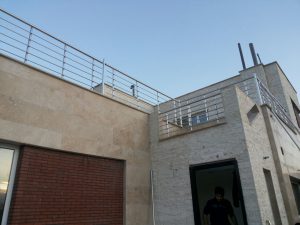
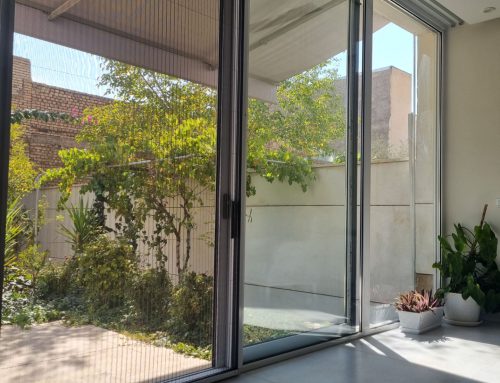
Glass window walls have become increasingly popular in modern architecture, revolutionizing the way we interact with our surroundings and maximizing natural light in indoor spaces. These expansive glass installations are visually stunning and offer numerous benefits, but they also come with a specific price tag. In this article, we’ll delve into the factors that influence the cost of glass window walls and explore essential considerations for those considering this architectural feature.
-
Material Quality and Type
The type and quality of glass used in the window wall play a significant role in determining its cost. Standard single-pane glass is the most affordable option but lacks the energy efficiency and insulation properties of more advanced alternatives. Double-pane and triple-pane glass, on the other hand, provide superior insulation and noise reduction but are more expensive.
Additionally, low-emissivity (low-E) coatings and gas-filled panes increase the energy efficiency of glass, but they can also add to the overall cost. For high-end projects, specialized glass types such as tempered, laminated, or insulated glass may be required, further impacting the total cost.
-
Size and Design Complexity
The size of the glass window wall and its design complexity significantly affect the cost. Larger installations require more glass panels and structural support, raising both material and installation expenses. Additionally, unique designs with custom shapes, curves, or angles may involve higher fabrication costs due to increased complexity.

Architectural features like frameless glass walls or curtain wall systems often come at a premium due to their sophisticated engineering and seamless appearance. While aesthetically appealing, they can be costlier compared to standard window wall designs.
-
Location and Accessibility
The location of the glass window wall on the building and its accessibility to installation teams also impact costs. Installing window walls in high-rise buildings or structures with limited access can be more challenging and time-consuming, resulting in higher labor costs.
Moreover, geographical location can influence material prices and labor rates. Areas with a higher cost of living or limited availability of specialized labor may experience higher overall project expenses.
-
Energy Efficiency and Sustainability
Energy-efficient glass window walls with superior insulation properties can lead to significant long-term cost savings by reducing heating and cooling expenses. While investing in energy-efficient features may increase the initial cost, it pays off in the form of lower utility bills and enhanced environmental sustainability.
Furthermore, sustainable building practices, such as using recycled materials or opting for locally sourced products, might add to the upfront costs but align with the growing demand for eco-friendly construction.
-
Additional Features and Accessories
Window walls can be enhanced with various accessories and features, each contributing to the overall cost. Elements such as automated shades, smart glass technology (electrochromic or PDLC glass), decorative glazing, and ventilation systems all come with their associated expenses. These features add convenience, comfort, and style but should be carefully considered in the budgeting process.
-
Installation and Labor Costs
The installation process for glass window walls requires skilled professionals, often including architects, structural engineers, and glaziers. The complexity of the installation, such as the need for heavy machinery or specialized equipment, can impact labor costs. Additionally, the timeline for installation should be taken into account, as extended installation periods can add to the overall expenses.

When planning the installation, it is essential to work with experienced contractors who understand the intricacies of glass window wall projects. Obtaining multiple quotes from reputable contractors will help ensure competitive pricing and a higher likelihood of a successful installation.
-
Maintenance and Lifespan
The cost of a glass window wall extends beyond the initial purchase and installation. Regular maintenance is crucial to ensuring the longevity and optimal performance of the window wall. While glass itself is relatively low-maintenance, the frame and hardware may require periodic inspection, cleaning, and potential repairs.
Considering the long lifespan of glass window walls, the maintenance costs should be factored into the overall budget. Additionally, choosing high-quality materials and components can help reduce maintenance expenses over time.
-
Building Codes and Permits
Building codes and regulations vary by location, and obtaining the necessary permits for glass window wall installations is essential. Permit costs and the need for adherence to specific safety standards can influence the overall project budget. Professional architects and contractors familiar with local building codes can help navigate the permit process and ensure compliance.
-
Manufacturer and Supplier
The choice of manufacturer and supplier can significantly impact the cost and quality of the glass window wall. Reputable manufacturers with a track record of delivering high-quality products might have higher price points. However, investing in reliable suppliers can ensure the product’s durability, performance, and compliance with safety standards.
It’s crucial to strike a balance between cost and quality, avoiding overly cheap alternatives that may compromise the window wall’s performance and longevity.
Conclusion
Glass window walls offer a transformative and visually captivating feature for both residential and commercial spaces. As with any significant architectural undertaking, understanding the various factors influencing the cost is vital to avoid unexpected expenses and achieve a successful outcome.
By carefully considering material quality, design complexity, location, energy efficiency, additional features, installation and labor costs, maintenance, building codes, and the choice of manufacturer, individuals and businesses can make informed decisions about their glass window wall investment.
While the initial cost of a glass window wall may be substantial, the long-term benefits of improved natural light, energy efficiency, and enhanced aesthetics can make it a valuable addition to any property. Investing in a well-designed and professionally installed glass window wall can elevate the overall appeal and functionality of a space, making it a worthwhile expenditure for those seeking to create inspiring and inviting environments.

Leave A Comment