
Glazing curtain wall system
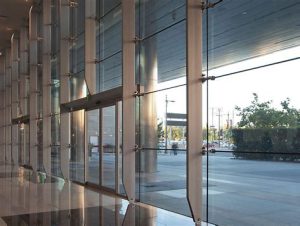
Glazing curtain wall system ,In the realm of modern architecture, the glazing curtain wall system stands as a testament to innovation and functionality. A striking feature of many contemporary buildings, this architectural marvel not only defines the aesthetic appeal of structures but also embodies efficiency, sustainability, and adaptability. Let’s delve into the intricacies of this remarkable construction technique that has reshaped skylines across the globe.
What is a Glazing Curtain Wall System?
At its core, a glazing curtain wall system is a non-structural outer covering of a building, typically composed of glass panels and aluminum frames, supported by the building’s structure. Unlike traditional load-bearing walls, which support the weight of the building, curtain walls bear only their own weight, transferring the loads imposed on them by wind and gravity to the main building structure.
The Anatomy of Brilliance
- Glass Panels: The defining element of a curtain wall system, glass panels offer transparency, allowing natural light to flood indoor spaces, while providing occupants with breathtaking views of the surrounding environment. These panels come in various types and configurations, including single, double, or triple glazing, each offering different levels of insulation, solar control, and acoustic performance.
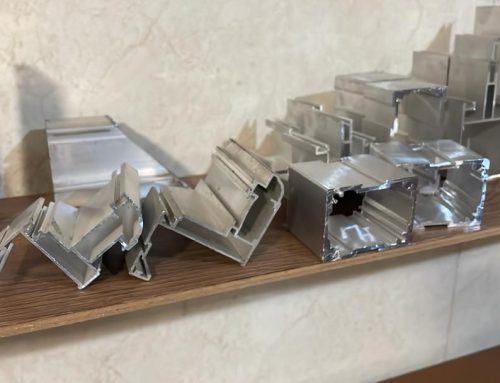
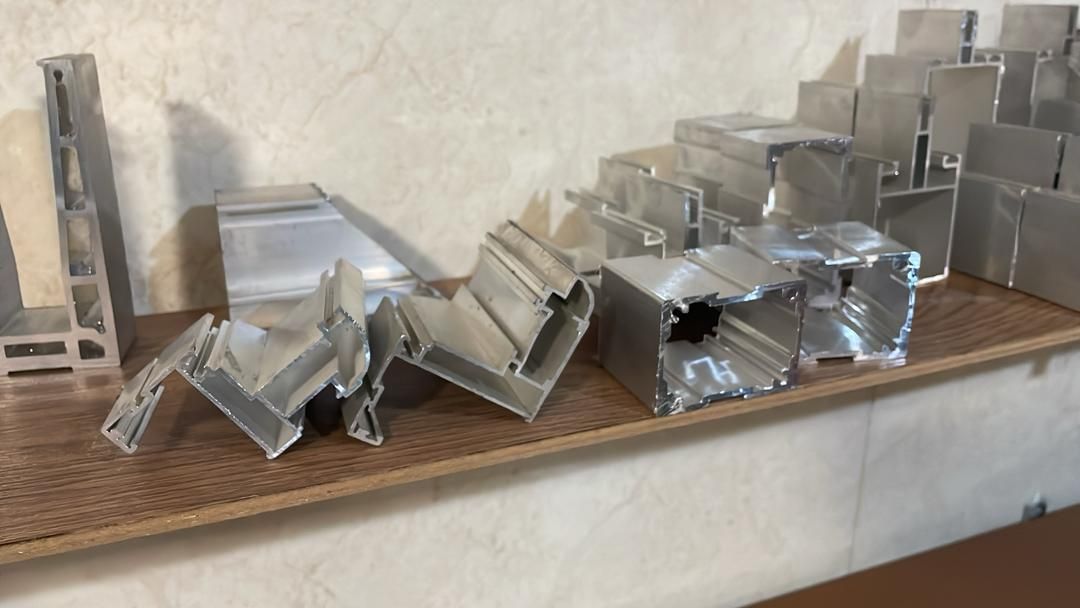
- Aluminum Frames: Serving as the framework for the glass panels, aluminum frames provide structural support and aesthetic appeal. Known for their lightweight nature, durability, and corrosion resistance, aluminum frames offer architects the freedom to design intricate facades with large expanses of glass, creating visually stunning exteriors.
- Sealants and Gaskets: Essential for weatherproofing and thermal insulation, sealants and gaskets ensure that the curtain wall system remains watertight and airtight, safeguarding the interior environment against the elements. These components also play a crucial role in maintaining energy efficiency by preventing heat loss or gain through gaps in the facade.
- Supporting Structure: Behind the scenes, a robust supporting structure, typically composed of steel or concrete, provides the necessary framework to which the curtain wall system is anchored. This structure must be meticulously engineered to withstand the forces exerted by wind, seismic activity, and the weight of the curtain wall itself.
Advantages of Glazing Curtain Wall Systems
- Natural Light and Views: By maximizing the use of glass, curtain wall systems allow natural light to penetrate deep into the building interior, reducing the need for artificial lighting and creating bright, inviting spaces. Additionally, occupants can enjoy panoramic views of the surrounding landscape, fostering a connection to the outdoors.
- Energy Efficiency: Through the use of high-performance glass coatings, thermal breaks in aluminum frames, and strategic placement of shading devices, modern curtain wall systems enhance energy efficiency by minimizing heat transfer and solar heat gain. This results in reduced reliance on heating, ventilation, and air conditioning (HVAC) systems, leading to lower energy consumption and operational costs.
- Architectural Versatility: One of the most appealing aspects of glazing curtain wall systems is their architectural versatility. Architects can unleash their creativity and design signature facades that reflect the identity and vision of the building’s occupants. Whether sleek and minimalist or bold and expressive, curtain walls offer endless possibilities for customization.
- Sustainability: As sustainability becomes increasingly paramount in the construction industry, curtain wall systems play a vital role in green building initiatives. By optimizing natural daylighting, reducing energy consumption, and incorporating recyclable materials, these systems contribute to the overall environmental performance of buildings, aligning with principles of sustainability and eco-conscious design.
Challenges and Considerations
While glazing curtain wall systems offer numerous benefits, they also present challenges that architects and engineers must address:
- Maintenance: Glass facades require regular cleaning and maintenance to preserve their clarity and appearance. Accessing exterior surfaces for cleaning can be challenging, particularly on tall or architecturally complex buildings.
- Weather Resistance: Ensuring that curtain wall systems remain resistant to water infiltration, air leakage, and structural failure in the face of extreme weather conditions is crucial. Proper design, material selection, and installation techniques are essential to mitigate these risks.
- Cost: The initial cost of implementing a glazing curtain wall system can be higher compared to traditional building envelopes. However, proponents argue that long-term energy savings and aesthetic benefits outweigh the upfront investment.
Pushing Boundaries: Innovations in Glazing Curtain Wall Systems
In recent years, advancements in materials science, digital design tools, and sustainable practices have propelled the evolution of glazing curtain wall systems to new heights. Let’s explore some of the groundbreaking innovations reshaping the landscape of modern architecture:
- Smart Glass Technology: The integration of smart glass technology into curtain wall systems has revolutionized building facades. Smart glass, also known as switchable glass, can change its transparency or opacity in response to environmental conditions, user preferences, or automated controls. This dynamic functionality enhances privacy, solar control, and energy efficiency, offering occupants greater comfort and flexibility.
- Parametric Design: With the advent of parametric design software and digital fabrication techniques, architects can now create intricate, highly customized curtain wall designs with unparalleled precision. Parametric modeling allows for the generation of complex geometric forms and patterns, enabling architects to optimize daylighting, solar shading, and visual aesthetics with meticulous detail.
- Integrated Photovoltaics: Recognizing the potential of building facades as energy-generating surfaces, researchers and manufacturers have developed integrated photovoltaic (PV) systems that seamlessly blend solar cells into curtain wall assemblies. These solar-active facades harness sunlight to generate electricity while maintaining transparency and architectural integrity, offering a sustainable solution for renewable energy generation in urban environments.
- Biophilic Design: Inspired by nature, biophilic design principles seek to incorporate elements of the natural world into the built environment to enhance occupant well-being and connection to nature. In the context of curtain wall systems, biophilic design may involve the integration of greenery, water features, or natural materials into facade elements, fostering a sense of harmony and tranquility amidst the urban landscape.
- Adaptive Facades: Building upon the concept of responsive architecture, adaptive facades dynamically adjust their properties in real-time to optimize performance and user comfort. This may include the use of automated shading devices, adjustable ventilation systems, or active facade components that adapt to changing environmental conditions such as temperature, solar radiation, or air quality.
Looking Ahead: Future Trends and Challenges
As we look to the future, several emerging trends and challenges are poised to shape the evolution of glazing curtain wall systems:
- Circular Economy: With increasing emphasis on sustainability and resource conservation, the adoption of circular economy principles in curtain wall design and manufacturing will become imperative. This involves maximizing the lifespan of materials, promoting reuse and recycling, and minimizing waste throughout the lifecycle of curtain wall systems.
- Bioclimatic Design: Building upon biophilic design principles, bioclimatic design seeks to optimize building performance by harnessing natural climatic conditions and passive design strategies. Integrating bioclimatic principles into curtain wall systems can enhance thermal comfort, reduce energy demand, and mitigate the environmental impact of buildings.
- Digital Fabrication and 3D Printing: Advances in digital fabrication technologies, such as 3D printing and robotic manufacturing, hold the potential to revolutionize the production and assembly of curtain wall components. By enabling rapid prototyping, mass customization, and resource-efficient manufacturing processes, digital fabrication can accelerate innovation and reduce costs in curtain wall construction.
- Resilient Design: In the face of climate change and increasing urbanization, resilient design strategies will be essential to ensure the durability and adaptability of curtain wall systems against extreme weather events, natural disasters, and other environmental challenges. This may involve the integration of resilient materials, redundant structural systems, and adaptive design measures to enhance building resilience and mitigate risks.
Overcoming Challenges: A Vision for the Future
Despite the remarkable advancements and promising trends in glazing curtain wall systems, several challenges must be addressed to ensure their widespread adoption and long-term success:
- Durability and Maintenance: Enhancing the durability and ease of maintenance of curtain wall systems is essential to prolong their lifespan and minimize lifecycle costs. Research into innovative materials, coatings, and cleaning technologies can help mitigate degradation, corrosion, and soiling issues, ensuring that curtain walls retain their aesthetic appeal and performance over time.
- Regulatory Compliance and Safety: Meeting evolving building codes, standards, and safety regulations presents a complex challenge for curtain wall designers and manufacturers. Balancing aesthetic aspirations with stringent performance requirements, fire safety considerations, and accessibility standards requires close collaboration with regulatory authorities, industry stakeholders, and building professionals to achieve optimal outcomes.
- Urban Heat Island Effect: As urbanization intensifies and cities grapple with rising temperatures and heat island effects, curtain wall systems can inadvertently exacerbate heat retention and energy demand in buildings. Design strategies such as passive cooling techniques, green roofs, and reflective coatings can help mitigate heat buildup and enhance thermal comfort, contributing to the sustainability and resilience of urban environments.
- Material Selection and Lifecycle Assessment: The environmental impact of curtain wall materials, manufacturing processes, and end-of-life disposal poses significant challenges for sustainable design and construction. Conducting comprehensive lifecycle assessments, prioritizing low-impact materials, and embracing circular economy principles are critical steps toward reducing the carbon footprint and ecological footprint of curtain wall systems.
- Integration with Building Systems: Achieving seamless integration between curtain wall systems and other building systems, such as HVAC, lighting, and renewable energy technologies, is essential to optimize building performance and occupant comfort. Collaborative design approaches, Building Information Modeling (BIM), and interoperable technologies facilitate coordination and communication among project teams, ensuring holistic solutions that maximize energy efficiency and operational effectiveness.
In addressing these challenges, architects, engineers, manufacturers, and policymakers must collaborate across disciplines and sectors to drive innovation, promote best practices, and foster a culture of sustainability and resilience in the built environment. By embracing a holistic approach to design, construction, and operation, we can unlock the full potential of glazing curtain wall systems as catalysts for positive change, creating vibrant, resilient, and sustainable cities for generations to come.
Embracing Collaboration and Innovation
As the architectural landscape continues to evolve, collaboration and innovation will be the driving forces behind the advancement of glazing curtain wall systems. Architects, engineers, manufacturers, and researchers must unite to explore new frontiers, push technological boundaries, and pioneer sustainable solutions that redefine the possibilities of modern building design.
Interdisciplinary collaboration will be essential in addressing complex challenges and unlocking new opportunities for curtain wall systems. By fostering dialogue and knowledge exchange among diverse stakeholders, we can leverage collective expertise to develop holistic solutions that prioritize performance, durability, and occupant well-being.
Furthermore, investment in research and development will be critical to fueling innovation and driving progress in curtain wall technology. Through ongoing experimentation, prototyping, and testing, we can uncover novel materials, construction methods, and design strategies that elevate the performance and resilience of curtain wall systems.
Moreover, embracing digital technologies such as Building Information Modeling (BIM), computational design, and advanced simulation tools will empower designers to explore new design possibilities, optimize performance parameters, and streamline the delivery process. By harnessing the power of data-driven design and digital fabrication, we can accelerate the pace of innovation and realize the full potential of curtain wall systems.
A Sustainable Vision for Tomorrow
At its core, the future of glazing curtain wall systems lies in embracing a sustainable vision for tomorrow’s built environment. By prioritizing environmental stewardship, resilience, and human-centric design principles, we can create buildings that not only inspire awe but also minimize their ecological footprint and enhance the quality of life for occupants.
From harnessing renewable energy to promoting biodiversity, from mitigating climate risks to fostering social equity, the opportunities for integrating sustainability into curtain wall design are vast and multifaceted. By adopting a holistic approach that considers the interconnectedness of environmental, social, and economic factors, we can create buildings that serve as beacons of sustainability and resilience in an ever-changing world.
Continuing Evolution and Adaptation
As we embark on this journey of innovation and sustainability, it’s important to recognize that the evolution of glazing curtain wall systems will be an ongoing process. With advancements in materials science, construction techniques, and design methodologies, curtain walls will continue to adapt to the changing needs and aspirations of society.
The quest for greater efficiency, resilience, and aesthetic expression will drive further experimentation and exploration in curtain wall design. From bio-inspired facades to interactive building envelopes, the possibilities are limitless. As architects, engineers, and manufacturers collaborate to push the boundaries of what’s possible, we can expect to see even more daring and visionary applications of curtain wall technology in the years to come.
Moreover, the role of glazing curtain wall systems will extend beyond individual buildings to encompass larger urban contexts and infrastructure projects. As cities grapple with issues such as climate change, urbanization, and social equity, curtain walls will play a pivotal role in shaping the urban fabric, enhancing livability, and fostering sustainable development.
Empowering the Architects of Tomorrow
As we reflect on the transformative potential of glazing curtain wall systems, it’s clear that the future of architecture lies in the hands of the next generation of designers and innovators. By empowering aspiring architects with the knowledge, skills, and tools to embrace sustainability, creativity, and social responsibility, we can ensure that the legacy of curtain wall systems continues to inspire and endure for generations to come.
Through education, mentorship, and hands-on experience, young architects will have the opportunity to push the boundaries of design, challenge convention, and shape a future where architecture serves as a force for positive change. By instilling a passion for innovation, resilience, and sustainability, we can cultivate a new generation of leaders who will carry forward the legacy of glazing curtain wall systems into the 21st century and beyond.
Conclusion: A Vision of Hope and Possibility
In conclusion, the glazing curtain wall system stands as a testament to human ingenuity, creativity, and aspiration. From its humble beginnings to its current status as a symbol of architectural excellence, the journey of curtain walls is one of innovation, adaptation, and evolution.
As we look to the future, let us embrace the challenges and opportunities that lie ahead with optimism and determination. By harnessing the power of collaboration, innovation, and sustainability, we can create a built environment that not only inspires awe but also enriches lives, preserves the planet, and fosters a brighter, more equitable future for all.
In the grand tapestry of architecture, glazing curtain wall systems are but one thread—a thread that connects us to the past, guides us in the present, and inspires us to dream of a better tomorrow. May we continue to weave this thread with care, creativity, and compassion, as we embark on a journey toward a future where architecture serves as a beacon of hope and possibility for generations to come.

Leave A Comment