
Curtain wall profile factory

In the realm of architectural aesthetics and structural integrity, few elements stand as prominently as curtain walls. These sleek, glassy façades not only define modern skylines but also represent the synergy between form and function. At the heart of these marvels lies the curtain wall profile factory, where innovation and precision converge to craft the iconic exteriors of our urban landscapes.
Crafting the Vision
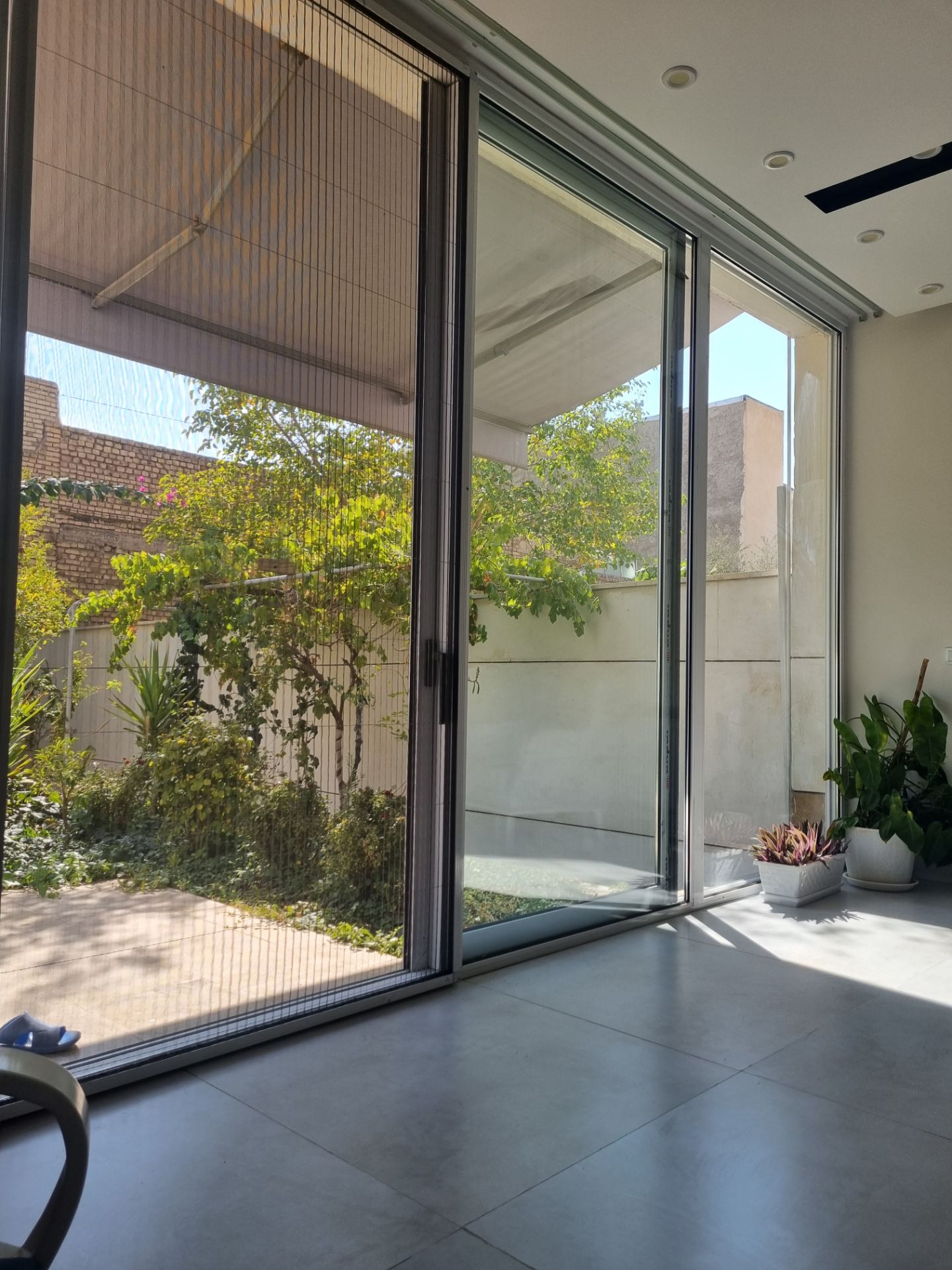
Before delving into the intricacies of curtain wall profile factories, it’s essential to understand the significance of curtain walls themselves. Unlike traditional load-bearing walls, curtain walls are non-structural and primarily serve as an outer covering to protect the building’s interior from the elements. Their transparency not only invites natural light but also provides panoramic views, fostering a connection between the indoors and outdoors.
The journey of a curtain wall begins with a vision—an architect’s dream of seamless integration with the environment, coupled with the demands of energy efficiency, structural integrity, and design innovation. This vision is translated into precise specifications, laying the groundwork for the manufacturing process.
Innovation in Production
Curtain wall profile factories are hubs of innovation, where cutting-edge technology meets skilled craftsmanship. These facilities are equipped with state-of-the-art machinery, including computer numerical control (CNC) routers, glass cutting systems, and extrusion presses. Such advanced equipment ensures the precise fabrication of aluminum and glass components to exact specifications.
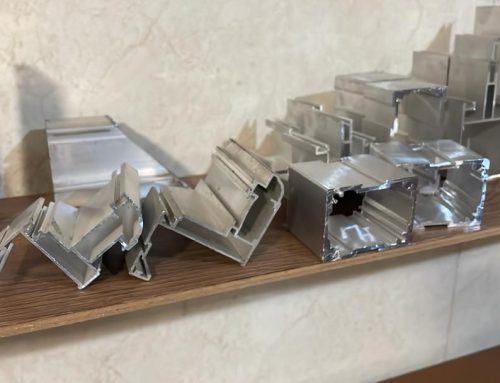
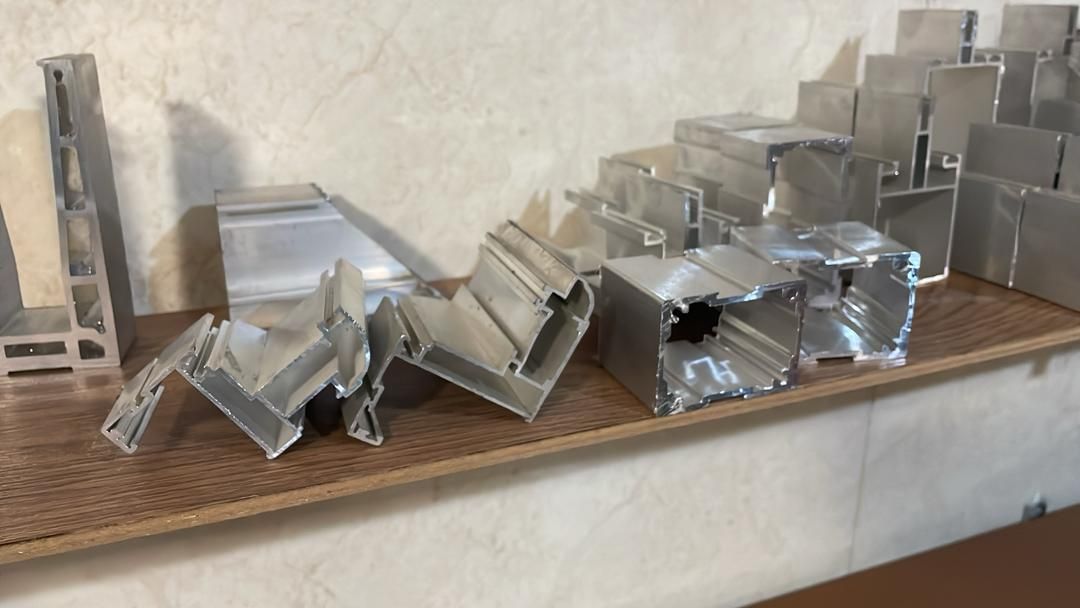
One of the key processes in curtain wall fabrication is extrusion, where aluminum profiles are formed into the desired shapes and dimensions. These profiles serve as the structural framework of the curtain wall, providing support for glass panels and other cladding materials. Advanced extrusion techniques allow for intricate designs, accommodating curves, angles, and custom geometries tailored to each project’s requirements.
Precision and Quality Control
In the realm of curtain walls, precision is paramount. Even the slightest deviation can compromise structural integrity and aesthetic harmony. To ensure quality control, curtain wall profile factories employ rigorous testing protocols at every stage of production.
Dimensional accuracy, mechanical strength, and weather resistance are among the factors scrutinized during testing. Advanced testing facilities simulate real-world conditions, subjecting curtain wall components to extremes of temperature, wind, and moisture. Through these tests, manufacturers can verify the performance of their products and guarantee compliance with industry standards and regulatory requirements.
Sustainability and Performance
Beyond aesthetics and durability, sustainability is emerging as a key consideration in curtain wall design and manufacturing. Aluminum, the primary material used in curtain wall profiles, is renowned for its recyclability and low environmental impact. Manufacturers are increasingly adopting eco-friendly practices, such as using recycled aluminum and optimizing energy efficiency in production processes.
Moreover, advancements in glazing technology have led to the development of energy-efficient glass solutions, enhancing thermal insulation and reducing reliance on artificial heating and cooling systems. By maximizing natural light while minimizing heat transfer, modern curtain walls contribute to energy conservation and occupant comfort, aligning with the principles of sustainable architecture.
The Intersection of Art and Engineering
In essence, curtain wall profile factories represent the intersection of art and engineering, where creativity meets technical prowess to redefine architectural possibilities. From iconic skyscrapers to avant-garde cultural institutions, curtain walls continue to shape the skyline of cities worldwide, serving as testaments to human ingenuity and aspiration.
As urban landscapes evolve and architectural trends evolve, curtain wall profile factories will remain at the forefront of innovation, pushing the boundaries of design and construction. With each project, these factories reaffirm their commitment to excellence, enriching our built environment with structures that inspire awe and admiration for generations to come.
Collaboration and Customization
In the dynamic world of architecture, collaboration is key. Curtain wall profile factories often work closely with architects, engineers, and developers to bring their visions to life. This collaborative approach allows for customization and innovation, ensuring that each project reflects the unique identity and requirements of its surroundings.
Architects leverage the expertise of curtain wall manufacturers to explore new design possibilities, experimenting with materials, textures, and geometries. Whether it’s a sleek, minimalist façade or a bold, sculptural statement, curtain wall profile factories offer the flexibility to realize even the most ambitious architectural concepts.
Moreover, advancements in digital design tools, such as Building Information Modeling (BIM), facilitate seamless communication and coordination between stakeholders throughout the design and construction phases. This integrated approach streamlines the workflow, minimizes errors, and accelerates the realization of architectural visions.
Global Impact and Adaptation
The influence of curtain walls extends far beyond individual buildings—they shape the character of entire cityscapes and contribute to the global dialogue on urban development and sustainability. In burgeoning metropolises, curtain wall-clad skyscrapers symbolize progress and prosperity, while in historic city centers, they offer a contemporary contrast to centuries-old architecture.
As cities grapple with the challenges of climate change and urbanization, curtain wall profile factories are adapting their practices to align with evolving needs and standards. Embracing principles of resilience and resource efficiency, manufacturers are exploring innovative materials, such as carbon-fiber composites and photovoltaic glass, to enhance the performance and sustainability of curtain walls.
Furthermore, the COVID-19 pandemic has prompted a reevaluation of building design and occupant wellness. Curtain wall profile factories are incorporating features such as enhanced ventilation systems, antimicrobial coatings, and touchless interfaces to address emerging health concerns and promote indoor air quality and hygiene.
Looking Ahead: Towards a Brighter Horizon
As we gaze towards the horizon, the future of curtain wall profile factories is imbued with promise and possibility. Rapid technological advancements, coupled with a growing emphasis on sustainability and resilience, will drive innovation in curtain wall design and manufacturing.
From adaptive facades that respond to environmental conditions to interactive surfaces that engage with occupants, the next generation of curtain walls will redefine the relationship between buildings and their surroundings. By embracing interdisciplinary collaboration and pushing the boundaries of creativity and performance, curtain wall profile factories will continue to shape the urban landscape and inspire the imagination of generations to come.

Leave A Comment