
Facade implementation and sale of profiles , doors and windows and all types of dry facades and aluminum tools
Introduction
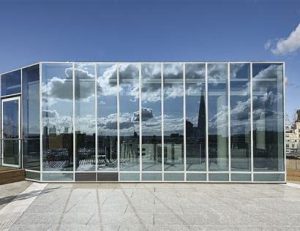
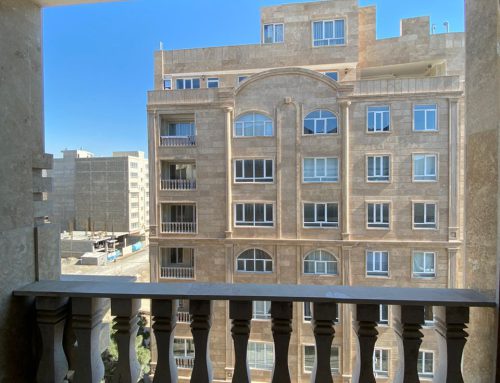
Facade implementation and sale of profiles , doors and windows and all types of dry facades and aluminum tools ,The architectural landscape has evolved tremendously over the past few decades, with facades playing a crucial role in defining the aesthetics, functionality, and energy efficiency of buildings. Modern facades are not just about appearance but also about performance, sustainability, and innovation. This article delves into the intricacies of facade implementation and the booming market for profiles, doors, windows, and aluminum tools essential for constructing all types of dry facades.
Facade Implementation: The Art and Science
1. What is Facade Implementation?
Facade implementation involves the design, engineering, and construction of the outer building envelope. This envelope protects the interior from external elements while contributing to the building’s thermal performance and aesthetic appeal. The process encompasses several stages, including:
- Design Conceptualization: Architects and designers conceptualize the facade’s look, considering factors like climate, building function, and client requirements.
- Material Selection: Choosing the right materials—glass, aluminum, stone, or composite materials—based on durability, thermal performance, and aesthetics.
- Engineering and Testing: Ensuring structural integrity and performance through rigorous engineering calculations and tests.
- Installation: Implementing the design on-site, which requires precision and expertise.
2. Types of Facades
Modern facades can be categorized into various types:
- Curtain Walls: Lightweight, non-structural outer coverings typically made of glass and aluminum. They allow natural light and provide thermal insulation.
- Cladding Systems: These involve attaching panels made from materials like aluminum, stone, or composites to the building structure for protection and aesthetics.
- Double-Skin Facades: These feature two layers separated by an air gap, enhancing thermal insulation and energy efficiency.
The Market for Profiles, Doors, and Windows
1. Profiles
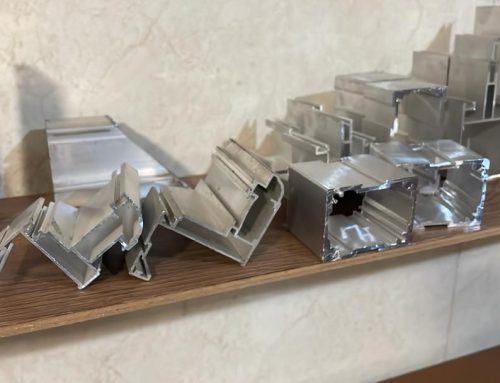
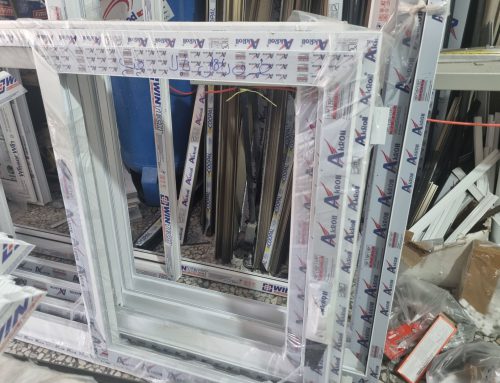
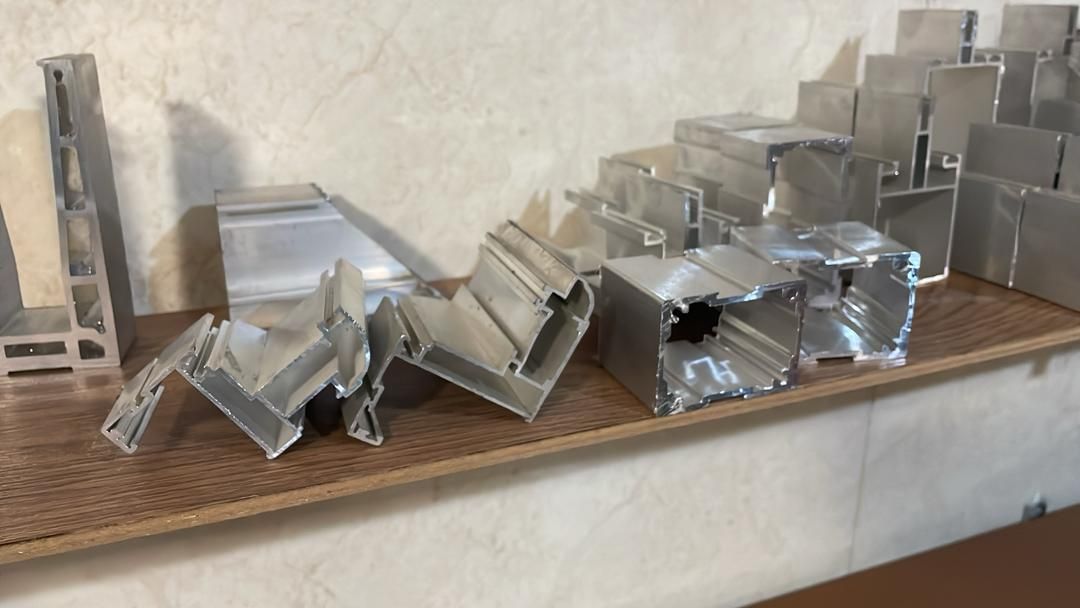
Profiles, particularly aluminum ones, are integral to facade systems. They provide structural support and are used in windows, doors, and framing systems. Aluminum profiles are favored due to their:
- Strength and Durability: Aluminum is resistant to corrosion and can withstand harsh weather conditions.
- Flexibility: It can be extruded into various shapes and sizes, making it ideal for custom designs.
- Sustainability: Aluminum is recyclable, aligning with green building practices.
2. Doors and Windows
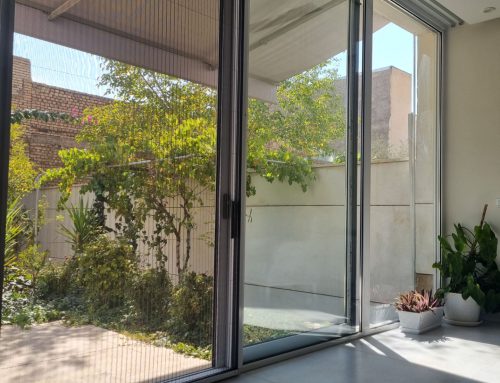
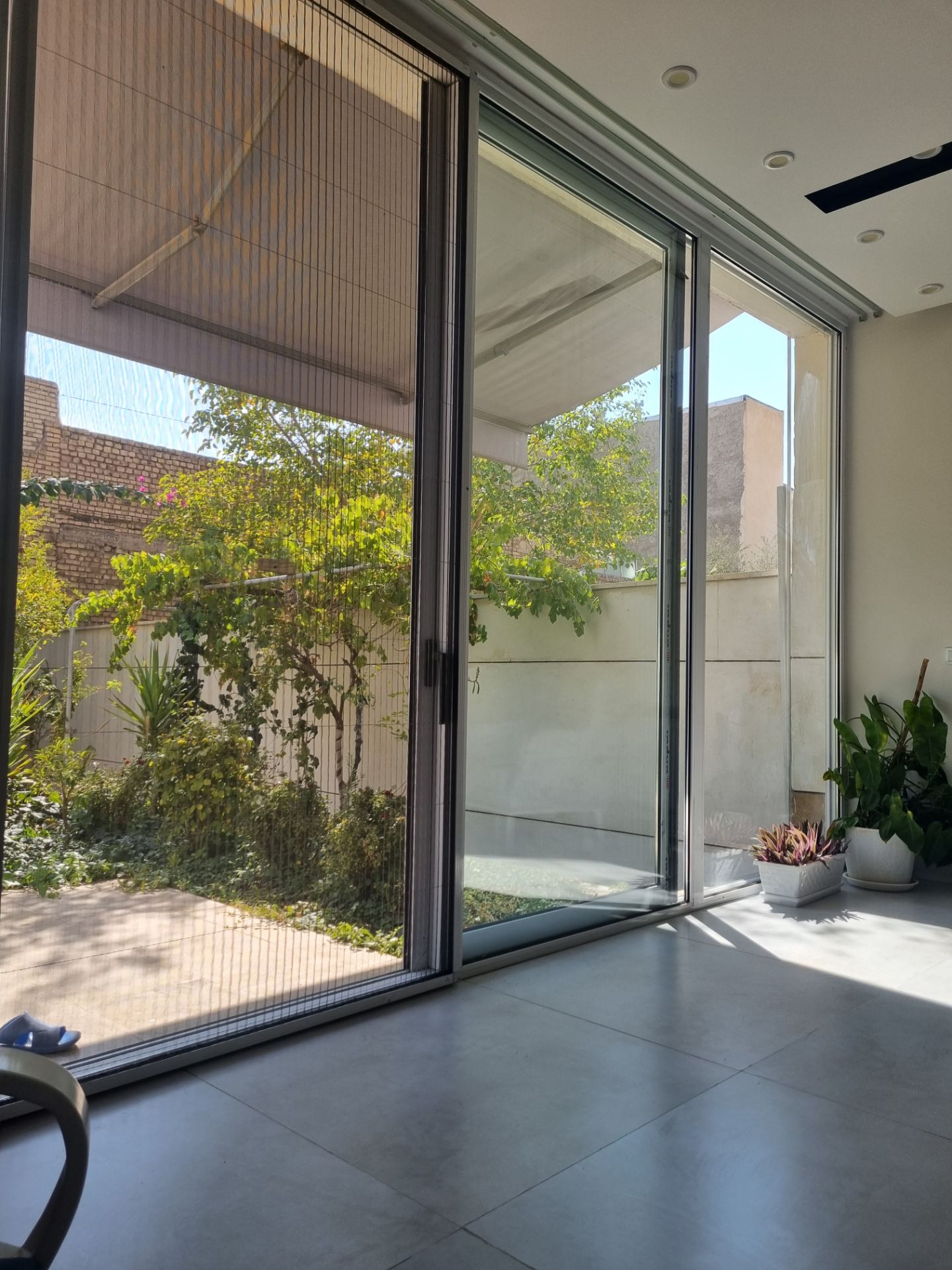
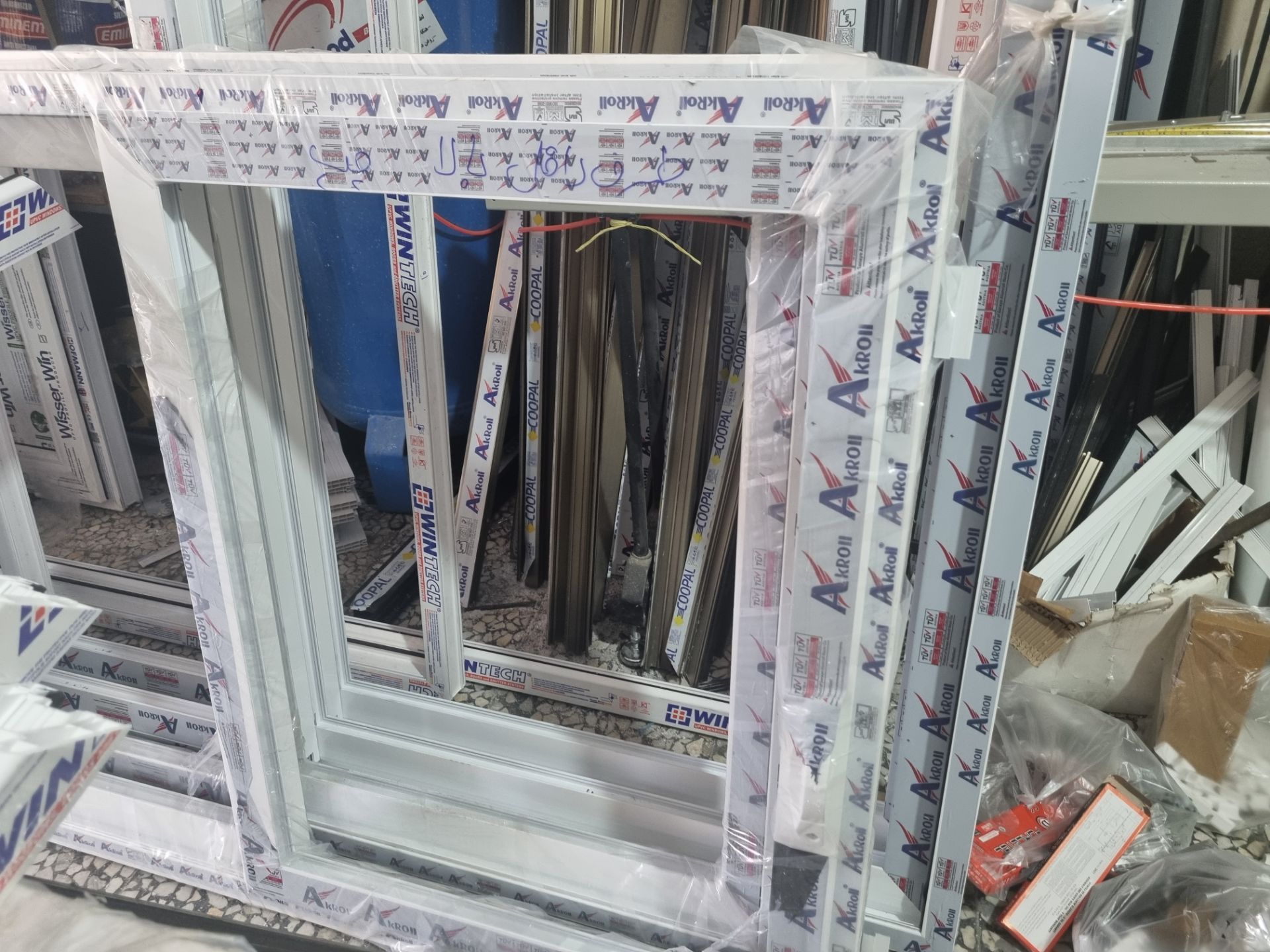
Doors and windows are critical components of any building, contributing to its functionality, security, and aesthetics. Key considerations in their design and implementation include:
- Energy Efficiency: Modern doors and windows feature double or triple glazing, thermal breaks, and advanced sealing systems to reduce energy consumption.
- Security: Enhanced locking mechanisms and impact-resistant materials improve building security.
- Aesthetics: A wide range of styles, finishes, and customization options are available to match architectural designs.
Dry Facades and Their Advantages
1. Understanding Dry Facades
Dry facades, also known as ventilated facades, involve a layer of cladding separated from the building structure by an air cavity. This system offers several advantages:
- Thermal Insulation: The air cavity acts as an insulating layer, reducing heat transfer and improving energy efficiency.
- Moisture Control: Ventilation prevents moisture accumulation, reducing the risk of mold and structural damage.
- Easy Maintenance: Cladding panels can be easily replaced or maintained without affecting the building structure.
2. Popular Materials for Dry Facades
- Aluminum Composite Panels (ACP): Lightweight, durable, and available in various finishes.
- Ceramic and Terracotta Panels: Known for their aesthetic appeal and durability.
- High-Pressure Laminates (HPL): These offer excellent weather resistance and a wide range of colors and textures.
Aluminum Tools: The Backbone of Facade Implementation
The construction of modern facades relies heavily on specialized aluminum tools. These tools are essential for precision cutting, shaping, and assembling aluminum profiles, doors, and windows. Key tools include:
- Extrusion Machines: Used to create custom aluminum profiles with specific shapes and dimensions.
- Cutting Tools: Precision saws and lasers for cutting aluminum panels and profiles to exact measurements.
- Assembly Tools: Riveting machines, drills, and fasteners for assembling components on-site.
The Future of Facade Implementation
As technology continues to evolve, the field of facade implementation is set to undergo further transformations. Innovations in materials, design techniques, and construction methods are paving the way for smarter, more efficient buildings.
Smart Facades: The Next Frontier
1. Integration of Smart Technologies
Smart facades incorporate advanced technologies to enhance building performance and user comfort. These include:
- Dynamic Glazing: Windows that can change their transparency in response to sunlight, reducing the need for artificial lighting and cooling.
- Integrated Solar Panels: Facades that generate electricity through embedded photovoltaic cells, contributing to the building’s energy needs.
- Sensors and Automation: Systems that monitor environmental conditions and adjust shading, ventilation, and lighting accordingly.
2. Benefits of Smart Facades
- Energy Efficiency: Smart facades significantly reduce energy consumption by optimizing natural light and thermal performance.
- Comfort and Well-being: By maintaining optimal indoor conditions, smart facades enhance the comfort and productivity of occupants.
- Sustainability: These systems contribute to green building certifications and reduce the overall carbon footprint.
Challenges and Considerations
Despite the numerous advantages, implementing advanced facades comes with its own set of challenges:
1. Cost
High-performance materials and smart technologies can be expensive, making the initial investment substantial. However, the long-term savings in energy costs and maintenance can offset these initial expenditures.
2. Technical Expertise
The design, engineering, and installation of modern facades require specialized knowledge and skills. Ensuring that professionals are well-trained and experienced is crucial for successful implementation.
3. Maintenance
While smart and high-tech facades offer many benefits, they also require regular maintenance and updates to ensure continued performance. Establishing a robust maintenance plan is essential for the longevity of the facade system.
The Role of Industry Professionals
The successful implementation of advanced facades relies heavily on the collaboration of various industry professionals, each bringing their expertise to the table.
Architects and Designers
Architects and designers are at the forefront of facade innovation. They conceptualize and create designs that not only meet aesthetic standards but also incorporate functionality and sustainability. Their role involves:
- Visionary Design: Creating facade designs that enhance the visual appeal of buildings while considering factors such as natural light, ventilation, and energy efficiency.
- Material Selection: Choosing appropriate materials that align with the design vision and performance requirements.
- Collaboration: Working closely with engineers, contractors, and manufacturers to ensure the feasibility and practicality of designs.
Engineers
Engineers play a crucial role in ensuring that facade designs are structurally sound and perform optimally. Their responsibilities include:
- Structural Analysis: Conducting detailed analyses to ensure that facades can withstand environmental stresses such as wind, seismic activity, and temperature fluctuations.
- Thermal Performance: Optimizing the thermal properties of facades to improve energy efficiency and indoor comfort.
- Safety Compliance: Ensuring that all designs comply with building codes and safety standards.
Contractors and Installers
The installation of facades requires skilled contractors and installers who can translate designs into reality with precision and quality. Key aspects of their work include:
- Precision Installation: Ensuring that all components are installed accurately to maintain the integrity and performance of the facade.
- Quality Control: Conducting thorough inspections and testing to guarantee that the facade meets design specifications and performance criteria.
- Problem-Solving: Addressing any challenges or issues that arise during installation promptly and effectively.
Innovations in Facade Materials
The choice of materials is a critical factor in facade implementation. Recent innovations have introduced new materials that offer enhanced performance and aesthetic qualities.
High-Performance Glass
Advancements in glass technology have led to the development of high-performance glazing systems. These include:
- Low-E Glass: Coated with a thin metallic layer that reflects heat while allowing light to pass through, reducing energy consumption.
- Electrochromic Glass: Capable of changing its tint in response to electrical signals, providing dynamic control over light and heat.
- Insulated Glazing Units (IGUs): Multi-layered glass panels with air or gas-filled spaces between them, offering superior thermal insulation.
Composite Materials
Composite materials, such as fiber-reinforced polymers (FRPs) and aluminum composite panels (ACPs), are gaining popularity due to their lightweight and durable properties. Benefits include:
- Durability: High resistance to weathering, corrosion, and impact.
- Design Flexibility: Available in a wide range of colors, textures, and finishes, allowing for creative design solutions.
- Sustainability: Many composite materials are recyclable and have a lower environmental impact compared to traditional materials.
Advanced Insulation Materials
New insulation materials are being developed to improve the thermal performance of facades. These include:
- Aerogels: Extremely lightweight and efficient thermal insulators that provide excellent insulation with minimal thickness.
- Phase Change Materials (PCMs): Capable of storing and releasing thermal energy, helping to regulate indoor temperatures and reduce energy consumption.
- Vacuum Insulation Panels (VIPs): Offering high thermal resistance with thin profiles, ideal for applications where space is limited.
The Market Outlook
The market for facade systems, profiles, doors, windows, and aluminum tools is expected to continue growing, driven by several factors:
- Sustainable Building Practices: Increasing demand for energy-efficient and environmentally friendly buildings is boosting the adoption of advanced facade systems.
- Urbanization: Rapid urbanization and the construction of high-rise buildings are driving the need for innovative facade solutions.
- Technological Advancements: Ongoing research and development in materials and construction technologies are leading to more efficient and cost-effective facade systems.
Embracing a Sustainable Future
Sustainability is at the heart of modern architecture and facade implementation. The construction industry is increasingly recognizing the importance of reducing its environmental footprint and contributing to global efforts to combat climate change.
Sustainable Practices in Facade Implementation
1. Energy Efficiency
Energy-efficient facades reduce the overall energy consumption of buildings. This is achieved through:
- Improved Insulation: High-performance insulation materials and double or triple glazing reduce heat transfer, keeping buildings warmer in winter and cooler in summer.
- Natural Ventilation: Facades designed to facilitate natural airflow can reduce the need for artificial cooling and ventilation systems.
- Renewable Energy Integration: Incorporating solar panels and other renewable energy sources into facades to generate on-site power.
2. Eco-Friendly Materials
Using sustainable materials is crucial for reducing the environmental impact of facade construction. This includes:
- Recycled Materials: Utilizing recycled aluminum, glass, and other materials to minimize resource extraction.
- Sustainable Sourcing: Ensuring materials are sourced from environmentally responsible suppliers.
- Low-Impact Manufacturing: Adopting manufacturing processes that reduce waste and emissions.
3. Lifecycle Considerations
A sustainable facade system considers the entire lifecycle of materials and components, from production to disposal. Key strategies include:
- Durability and Longevity: Selecting materials and designs that extend the lifespan of facades, reducing the need for frequent replacements.
- Ease of Maintenance: Designing facades that are easy to maintain and repair, thereby extending their useful life.
- End-of-Life Recycling: Ensuring that materials can be easily recycled or repurposed at the end of their lifecycle.
Future Trends in Facade Implementation
The future of facade implementation is likely to be shaped by several emerging trends and innovations:
1. Adaptive Facades
Adaptive facades can respond dynamically to changing environmental conditions. These systems use sensors and automation to adjust shading, ventilation, and insulation properties in real-time, optimizing energy efficiency and indoor comfort.
2. Biophilic Design
Biophilic design integrates natural elements into building facades to enhance the well-being of occupants. This includes green walls, living facades, and the use of natural materials. Such designs not only improve air quality but also create a connection with nature.
3. Advanced Manufacturing Techniques
Innovations in manufacturing, such as 3D printing and prefabrication, are revolutionizing facade construction. These techniques allow for greater customization, faster construction times, and reduced waste.
4. Integrated Building Systems
Future facades will increasingly be part of integrated building systems that connect various building technologies. This includes smart lighting, HVAC, and security systems that communicate and work together to optimize building performance.
Conclusion
Facade implementation is an ever-evolving field that balances aesthetics, functionality, and sustainability. The demand for high-performance facades is driving innovation in materials, design, and construction techniques. Profiles, doors, windows, and aluminum tools remain fundamental, but their integration with modern technologies and sustainable practices marks a new era in architecture.
Industry professionals play a vital role in advancing facade technology, ensuring that buildings are not only visually appealing but also efficient, comfortable, and environmentally friendly. As we look to the future, embracing these advancements will be key to creating smarter, greener, and more resilient buildings.
The ongoing evolution in facade implementation is a testament to the industry’s commitment to excellence and sustainability. By harnessing the latest technologies and sustainable practices, we can build a future where our buildings not only meet the needs of today but also contribute to a healthier and more sustainable world for generations to come, Facade implementation and sale of profiles, doors and windows and all types of dry facades and aluminum tools.

Leave A Comment