
Facade glass price Aluminium
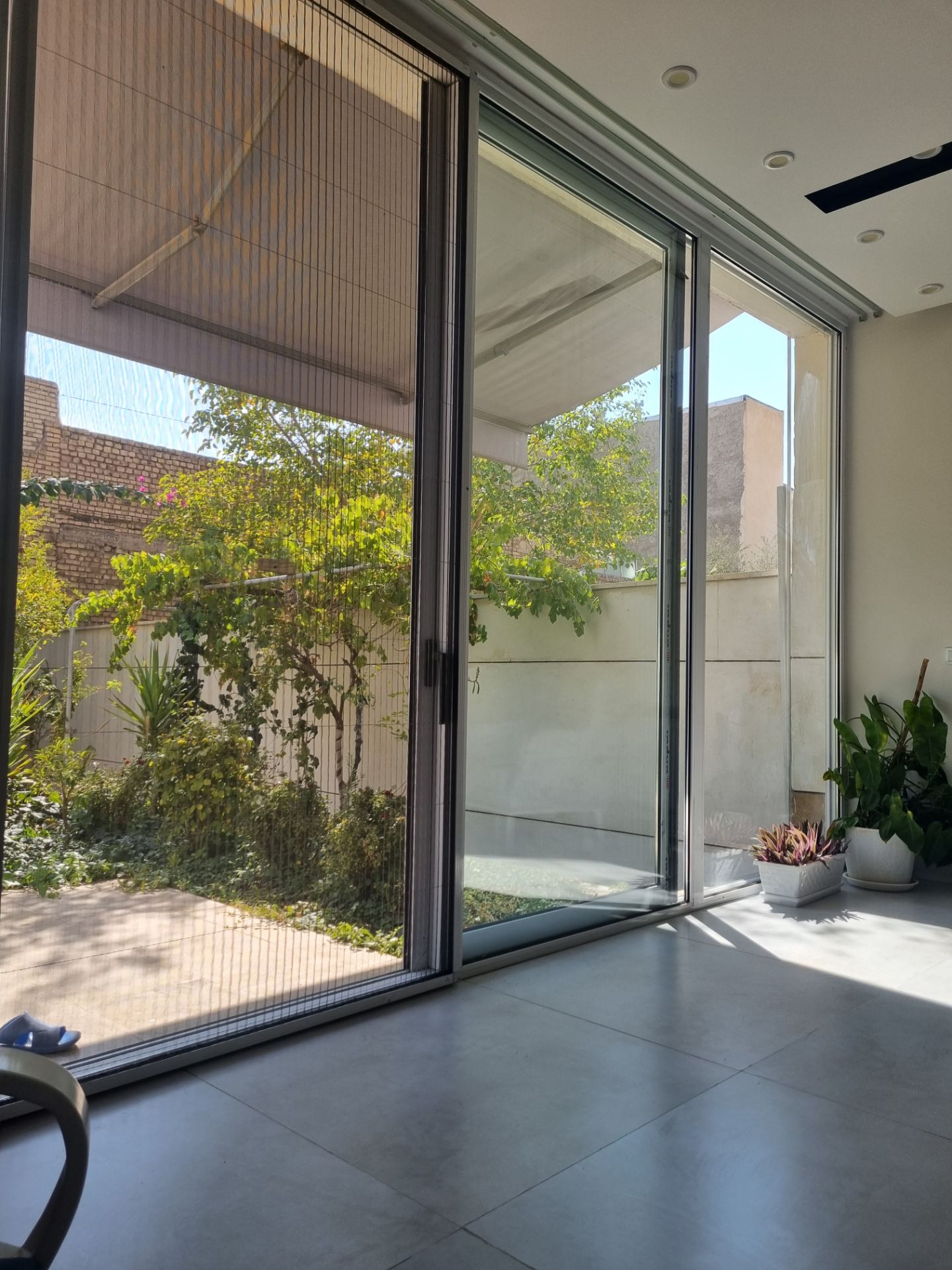
Facade glass and aluminum are two of the most important components of modern architecture.
The use of these materials in building design has increase significantly in recent years due to their durability, strength, and aesthetic appeal.
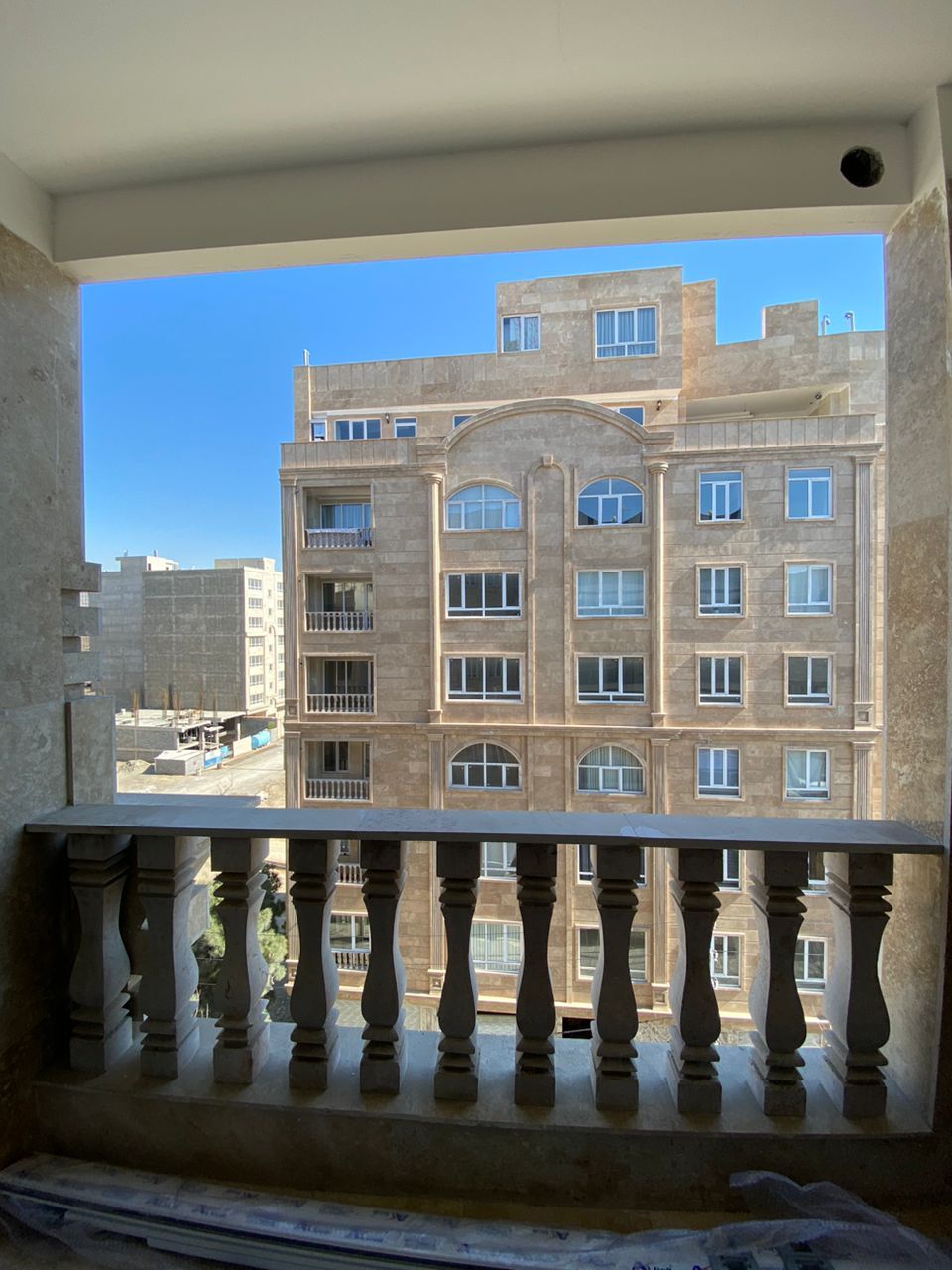
Facade glass and aluminium have become an integral part of contemporary architectural designs and are use extensively in the construction of skyscrapers, residential buildings, commercial complexes, and other modern structures. In this article, we will discuss facade glass price aluminium and the various factors that influence it.
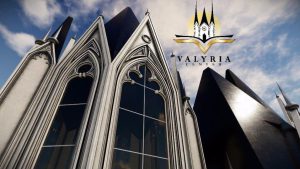
Facade Glass Price Aluminum: The Basics
Before we delve into the factors that influence facade glass price aluminium, it’s important to understand the basics of these two materials. Facade glass is a type of glass that is specifically designed for use in building facades. It is usually double-glazed, meaning it consists of two layers of glass separated by a layer of air or gas. This design helps to reduce noise transmission and improve thermal insulation.
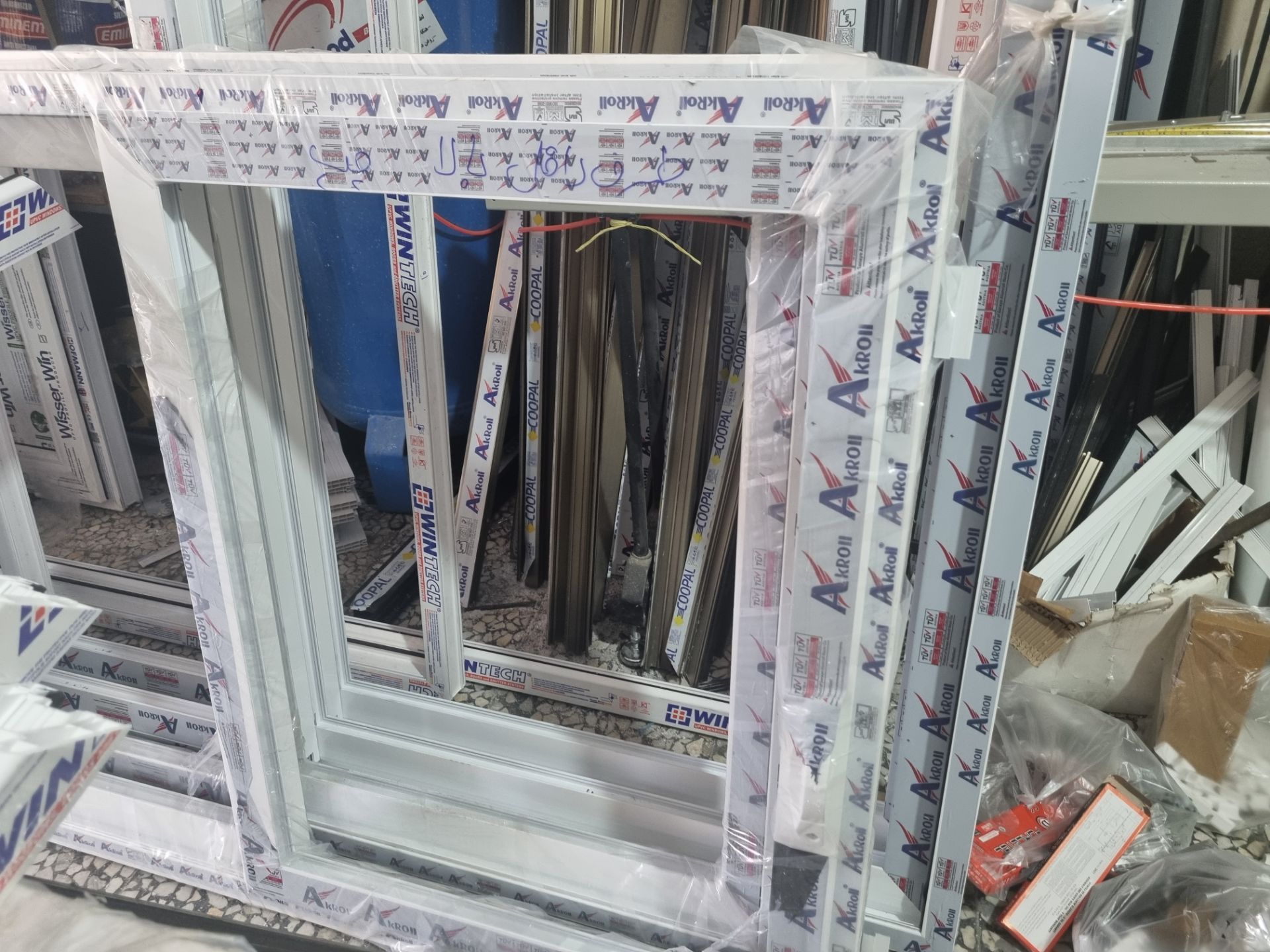
Aluminium, on the other hand, is a metal that is commonly use in building construction due to its strength, durability, and low weight. It is often use in the construction of window frames, curtain walls, and other building facades. Aluminium is also popular because it is easy to shape and can be finished in a variety of ways to match the design aesthetic of a building.
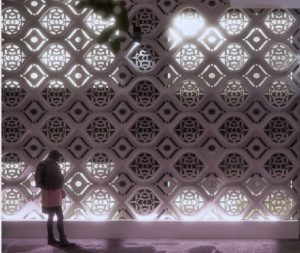
Factors That Influence Facade Glass Price Aluminium
The price of facade glass and aluminium can vary depending on a variety of factors. Here are some of the most significant factors that influence the cost of these materials:
Quality of Materials
The quality of the materials used in the production of facade glass and aluminium can significantly impact their price. High-quality materials, such as those that meet strict industry standards for strength and durability, will typically cost more than lower-quality materials.
Design Complexity
The complexity of the design of a building’s facade can also impact the price of facade glass and aluminium. More intricate designs will require more labour and may also require custom fabrication, which can drive up the cost.
Size and Thickness
The size and thickness of the facade glass and aluminium used in a building can also influence their price. Larger panes of glass and thicker aluminium profiles will generally cost more than smaller panes and thinner profiles.
Coating and Finishing
The coating and finishing applied to facade glass and aluminium can also impact their price. A variety of coatings are available for facade glass, such as low-emissivity coatings that improve thermal performance. Similarly, aluminium can be finished in a variety of ways, such as anodizing or powder coating, which can enhance its durability and aesthetic appeal.
Location and Transport
The location of a building and the distance required to transport facade glass and aluminium can also impact their price. For example, if a building is located in a remote area, the cost of transporting the materials to the site can be significant.
Market Conditions
Finally, market conditions can also impact the price of facade glass and aluminium. Fluctuations in supply and demand can cause prices to rise or fall, as can changes in the availability of raw materials and labour.
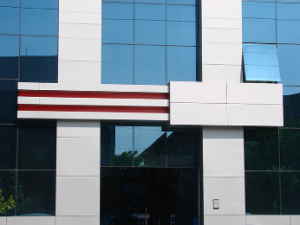
How to Reduce Facade Glass Price Aluminium
While facade glass and aluminium are essential components of modern architecture, their high cost can be a significant barrier to some building projects. However, there are several strategies that architects, builders, and developers can use to reduce the cost of these materials:
Simplify the Design
One of the most effective ways to reduce the cost of facade glass and aluminium is to simplify the design of the building’s facade. By reducing the complexity of the design, architects can minimize the amount of custom fabrication required, which can significantly reduce costs.
Optimize Size and Thickness
Architects can also optimize the size and thickness of the facade glass and aluminium used in a building to reduce costs. By carefully selecting the size and thickness of the materials, they can minimize waste and reduce the need for additional fabrication or transport.
Choose Cost-Effective Finishes
Selecting cost-effective finishes for facade glass and aluminium can also help reduce costs. By choosing finishes that are readily available and easy to apply, builders can minimize the need for custom fabrication and save on labour costs.
Negotiate with Suppliers
Another strategy for reducing the cost of facade glass and aluminium is to negotiate with suppliers. By working with suppliers to find the most cost-effective options, builders can reduce the overall cost of materials.
Use Recycled Materials
Using recycled facade glass and aluminium can also be an effective strategy for reducing costs. By using recycled materials, builders can save on raw material costs while also reducing waste and helping to protect the environment.
Consider Alternative Materials
Finally, builders and architects may want to consider alternative materials for their building facades. While facade glass and aluminium are popular options, there are many other materials available that may be more cost-effective, such as fiber cement, natural stone, or even wood.
Conclusion
Facade glass price aluminium is an important consideration for builders, architects, and developers who are looking to incorporate these materials into their building designs. While there are many factors that can influence the cost of facade glass and aluminium, there are also strategies that can be used to reduce these costs. By carefully selecting the size, thickness, and finishes of these materials, negotiating with suppliers, and considering alternative options, builders can create beautiful and functional building facades while also keeping costs under control.

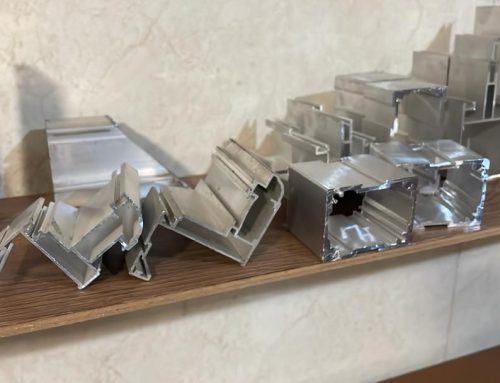
Leave A Comment