
Facade glass curtain wall
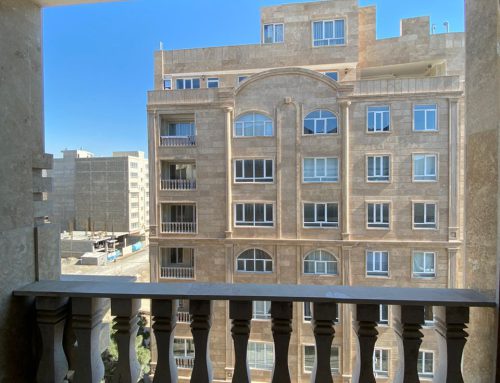
A façade glass curtain wall is a type of building envelope system that is constructed primarily using glass. It is typically used in modern architectural designs to create a sleek and contemporary look for commercial and residential buildings. The use of glass as the primary building material provides a number of benefits, such as increased natural light, energy efficiency, and noise reduction. In this article, we will explore the advantages and disadvantages of facade glass curtain walls, their design and construction, and some of the considerations to keep in mind when choosing this type of building envelope system.
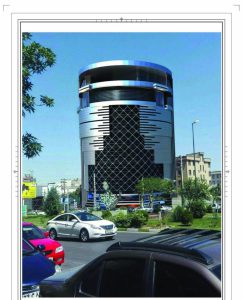
Advantages of Facade Glass Curtain Walls
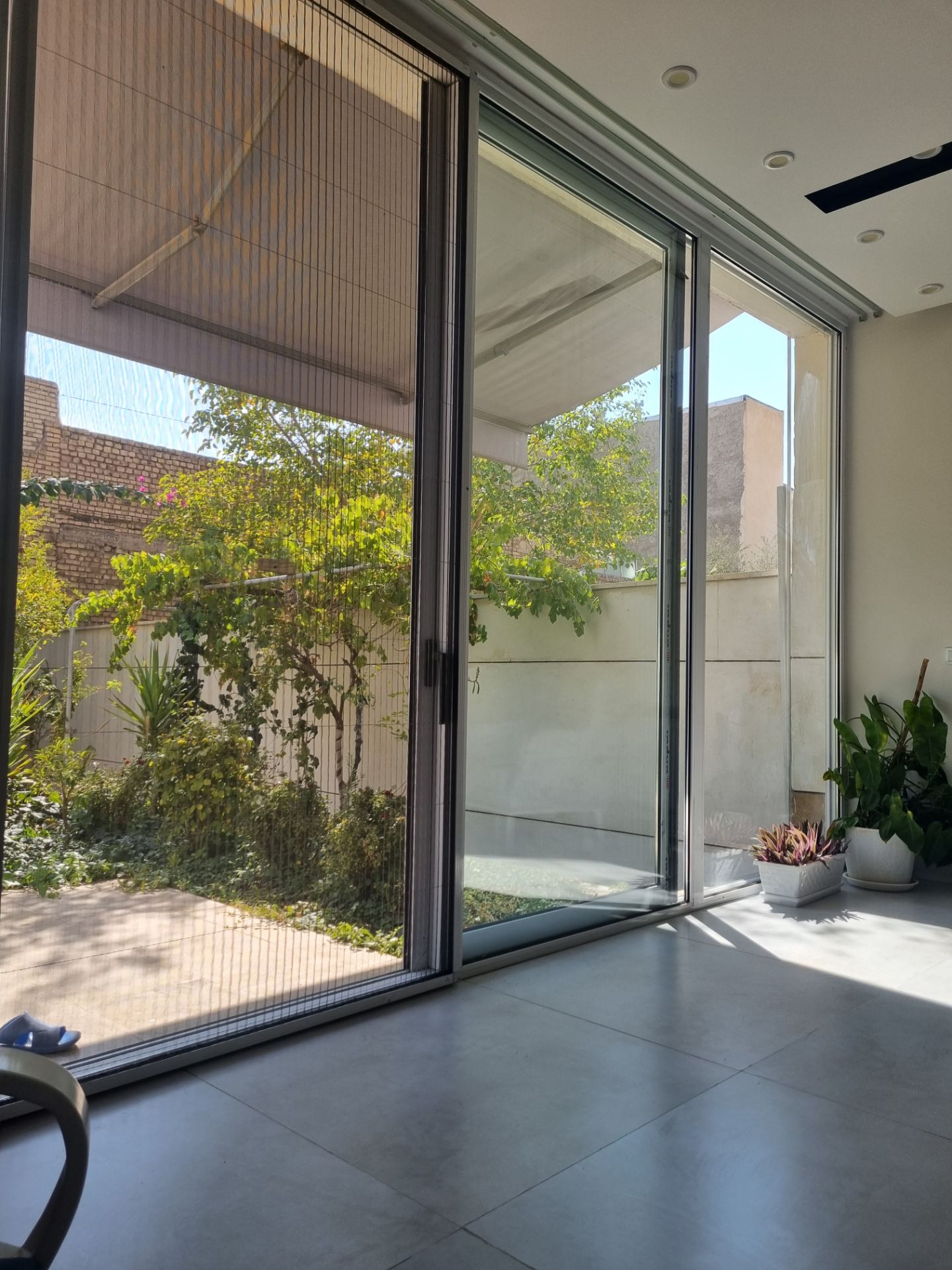
One of the biggest advantages of using facade glass curtain walls is the increased amount of natural light that they allow into a building. Glass is a highly transparent material, which means that it allows more light to penetrate into the interior of the building compared to other types of building materials. This can be especially beneficial in areas that receive limited amounts of natural light, as it can help to reduce energy costs by reducing the need for artificial lighting.
Another advantage of facade glass curtain walls is their energy efficiency. The use of insulated glass units can help to reduce energy consumption by providing better insulation for the building. Insulated glass units consist of two or more panes of glass with a sealed air space between them. This sealed air space acts as an insulator, helping to reduce the amount of heat that is lost from the building during the winter months and preventing excessive heat gain during the summer months. This can help to reduce energy costs and make the building more comfortable for its occupants.
Facade glass curtain walls can also help to reduce noise pollution. The use of laminated glass can help to reduce the amount of noise that is transmitted into the interior of the building. Laminated glass is made up of two or more layers of glass with a plastic interlayer between them. This interlayer helps to absorb sound waves, which can help to reduce the amount of noise that is transmitted through the glass. This can be especially beneficial in urban areas, where there is often a lot of noise from traffic and other sources.

Disadvantages of Facade Glass Curtain Walls
Despite the many advantages of facade glass curtain walls, there are also some disadvantages that should be considered. One of the biggest disadvantages is the cost. Glass is generally more expensive than other types of building materials, which can make it more expensive to use in the construction of a building. Additionally, the installation of a facade glass curtain wall requires a high level of skill and expertise, which can also add to the cost.
Another disadvantage of facade glass curtain walls is their durability. Glass is a fragile material that is susceptible to damage from impacts and extreme weather conditions. This means that facade glass curtain walls may require more maintenance than other types of building envelope systems, which can also add to the cost.
Design and Construction of Facade Glass Curtain Walls
The design and construction of a facade glass curtain wall involves a number of different steps. The first step is to determine the appropriate type of glass to use. This can vary depending on the specific requirements of the building and the environment in which it is located. For example, in areas with high levels of solar radiation, it may be necessary to use a glass with a low solar heat gain coefficient to reduce the amount of heat that is transmitted into the building.
Once the appropriate type of glass has been selected, the next step is to determine the size and shape of the glass panels. This can be done using computer-aided design (CAD) software, which allows architects and engineers to create detailed 3D models of the building and the glass panels.
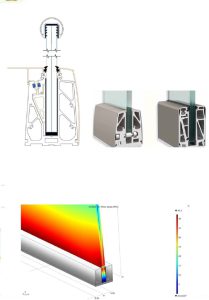
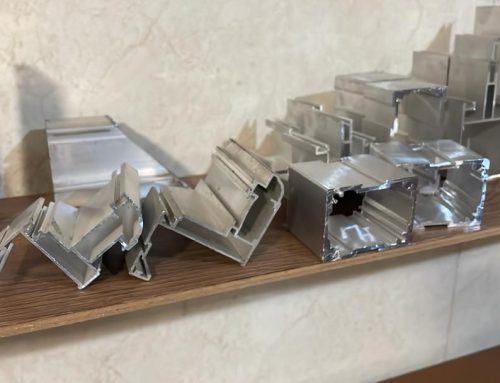
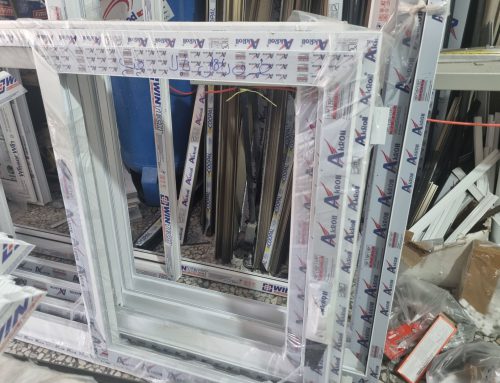
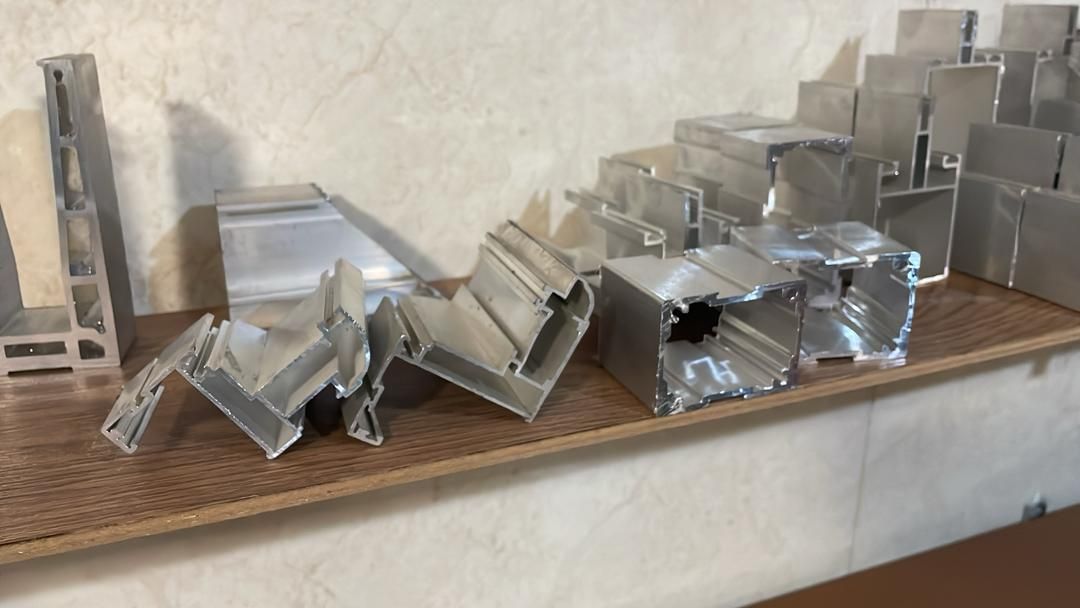
The glass panels are typically held in place using a system of metal framing and fasteners. This framing is typically made from aluminum or steel and is designed to provide a strong and durable support structure for the glass panels. The framing is also designed to be aesthetically pleasing and to complement the overall design of the building.
One of the key considerations in the construction of a facade glass curtain wall is the installation process. This is a complex and time-consuming process that requires a high level of skill and expertise. The glass panels must be carefully measured and cut to fit the specific dimensions of the building, and the framing must be carefully installed to ensure that it provides a strong and stable support for the glass.
Another important consideration is the weather resistance of the glass panels. In areas with high winds or frequent storms, it is important to use a glass with a high level of impact resistance to prevent damage to the glass panels. Additionally, the framing must be designed to provide a secure seal around the glass panels to prevent water infiltration and air leakage.
Considerations When Choosing Facade Glass Curtain Walls
When choosing a facade glass curtain wall, there are a number of considerations to keep in mind. One of the most important considerations is the energy efficiency of the system. It is important to choose a glass with a high level of insulation to reduce energy costs and improve the comfort of the building’s occupants.
Another consideration is the durability of the system. It is important to choose a glass with a high level of impact resistance and a framing system that is designed to provide a secure and weather-resistant seal around the glass panels.
The aesthetic design of the system is also an important consideration. Facade glass curtain walls can be designed in a variety of different styles and configurations, and it is important to choose a system that complements the overall design of the building and creates the desired visual effect.
Finally, it is important to consider the cost of the system. Facade glass curtain walls can be more expensive than other types of building envelope systems, and it is important to choose a system that provides the desired level of performance while also being cost-effective.
Conclusion
Facade glass curtain walls are a popular choice for modern architectural designs, providing a sleek and contemporary look that can help to increase natural light, energy efficiency, and noise reduction. However, there are also some disadvantages to using this type of building envelope system, including the cost and durability of the glass. When choosing a facade glass curtain wall, it is important to consider the energy efficiency, durability, aesthetic design, and cost of the system, as well as the expertise and skill required for installation. With careful consideration of these factors, facade glass curtain walls can provide an attractive and effective building envelope system that meets the specific requirements of a modern building.

Leave A Comment